
Understanding Kitchen Renovation Costs in Vancouver: A Detailed Breakdown
Miscalculating the budget for a kitchen renovation in Vancouver is a common and costly error. An oversight of 20-30% on a mid-range project can mean a $15,000 to $40,000 shortfall, forcing compromises on materials or halting work entirely until funds are secured. This is not a theoretical risk; it is a frequent reality for homeowners who rely on generalized estimates. A professionally planned and executed kitchen renovation in the Vancouver market has a clear cost structure. For a complete project—including design, materials, labour, and management—the realistic investment ranges from $65,000 to $175,000 and beyond. The majority of our clients’ projects fall between $80,000 and $130,000.
Key Takeaways
- Entry-Level/Basic Renovation: Expect to invest $65,000–$85,000 for projects using stock cabinetry, laminate counters, and basic appliances, often with the existing layout retained.
- Mid-Range Custom Renovation: The most common project scope, costing $80,000–$130,000, includes custom cabinetry, stone countertops, quality appliances, and potential layout modifications.
- High-End Luxury Renovation: Budgets for these projects start at $130,000 and can easily exceed $200,000, featuring premium custom millwork, luxury appliances, extensive layout changes, and high-end finishes.
- Primary Cost Drivers: Custom cabinetry and appliances are the two largest line items, often accounting for 40–50% of the total budget combined.
- Contingency Fund: A non-negotiable 15–20% contingency fund is essential to cover unforeseen issues like hidden water damage, necessary electrical upgrades, or structural problems.
How Do Kitchen Renovation Costs Break Down?
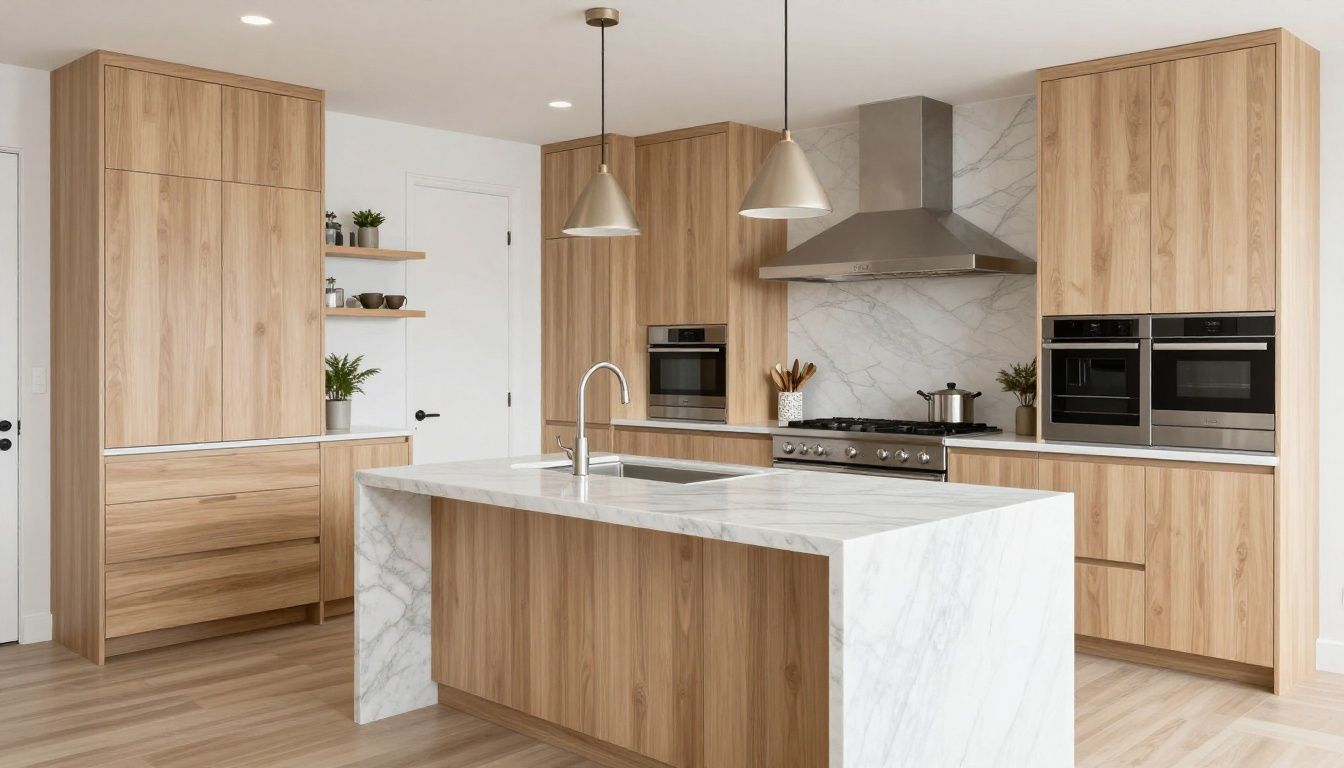
Understanding the allocation of funds is the first step in responsible project planning. A budget is not a single number but a collection of precise line items. While every project is unique, the percentage breakdown provides a reliable guide for a typical mid-range kitchen renovation in Vancouver. Below is a standard allocation of costs. Note that high-end projects will see the percentages for cabinetry and appliances increase significantly.
| Category | Percentage of Budget | Typical Cost Range (Mid-Range Project) | Key Factors Influencing Cost |
|---|---|---|---|
| Design & Planning | 5–10% | $5,000–$10,000 | Scope of design work, level of detail in drawings, interior designer vs. design-build firm. |
| Demolition & Site Prep | 2–5% | $2,000–$5,000 | Extent of removal, hazardous material abatement (e.g., asbestos), structural changes. |
| Framing & Drywall | 3–7% | $3,000–$7,000 | Moving walls, building soffits or bulkheads, level of finish required for drywall. |
| Electrical & Plumbing | 10–15% | $10,000–$15,000 | Moving plumbing lines, adding pot lights, upgrading the panel, under-cabinet lighting, appliance hookups. |
| Custom Cabinetry & Millwork | 25–35% | $25,000–$45,000+ | Material, construction style, finish, hardware, complexity (e.g., pull-outs, inserts). |
| Countertops | 8–12% | $8,000–$15,000 | Material (quartz, granite, porcelain), thickness, edge profile, number of cutouts, waterfall edges. |
| Appliances | 10–20% | $10,000–$25,000+ | Brand (e.g., Bosch vs. Sub-Zero), integrated vs. freestanding, number of appliances. |
| Backsplash & Flooring | 5–10% | $5,000–$10,000 | Tile material and complexity of installation pattern, heated floors, type of flooring (hardwood, LVP, tile). |
| Fixtures & Lighting | 3–5% | $3,000–$5,000 | Faucet, sink, pot lights, pendant lights, under-cabinet lighting quality and brand. |
| Painting & Finishing | 3–5% | $3,000–$5,000 | Scope of painting (walls, ceiling, trim), level of prep work required. |
| Project Management/GC Fee | 10–20% | $10,000–$25,000 | Covers scheduling, trade coordination, quality control, and site supervision. |
What Determines the Cost of Custom Cabinetry?
As a custom cabinet shop, this is the line item we control directly. It is also one of the most significant investments in any kitchen renovation. The cost is not arbitrary; it is a direct result of material choices, construction methods, and finishing processes. Understanding these variables is critical for any client.
Cabinet Materials: Core and Finish
The primary cost driver is the material. A basic textured melamine cabinet box with a simple door is substantially less expensive than a rift-cut white oak cabinet with a solid wood door.
- Thermally Fused Laminate (TFL/Melamine): The most cost-effective option. It consists of a particleboard core with a heat-fused paper/resin coating. It is durable, easy to clean, and available in many colours and textures. Its weakness is susceptibility to water damage at the seams if not perfectly edge-banded.
- Painted MDF (Medium-Density Fibreboard): The standard for solid-colour painted finishes. MDF is stable and smooth, providing a flawless surface for paint that does not crack at the joints like solid wood can. Its durability depends entirely on the quality of the paint and finishing process.
- Wood Veneer: A thin layer of real wood is applied to a stable substrate like plywood or MDF. This provides the look of solid wood at a lower cost and with greater stability, preventing the warping that can affect solid wood panels.
- Solid Wood: Used primarily for cabinet doors (stiles and rails) and face frames. It offers a traditional look but is the most expensive option and can expand or contract with changes in humidity, potentially causing hairline cracks in painted finishes at the joints.
Construction and Hardware
How a cabinet is built affects its longevity and price.
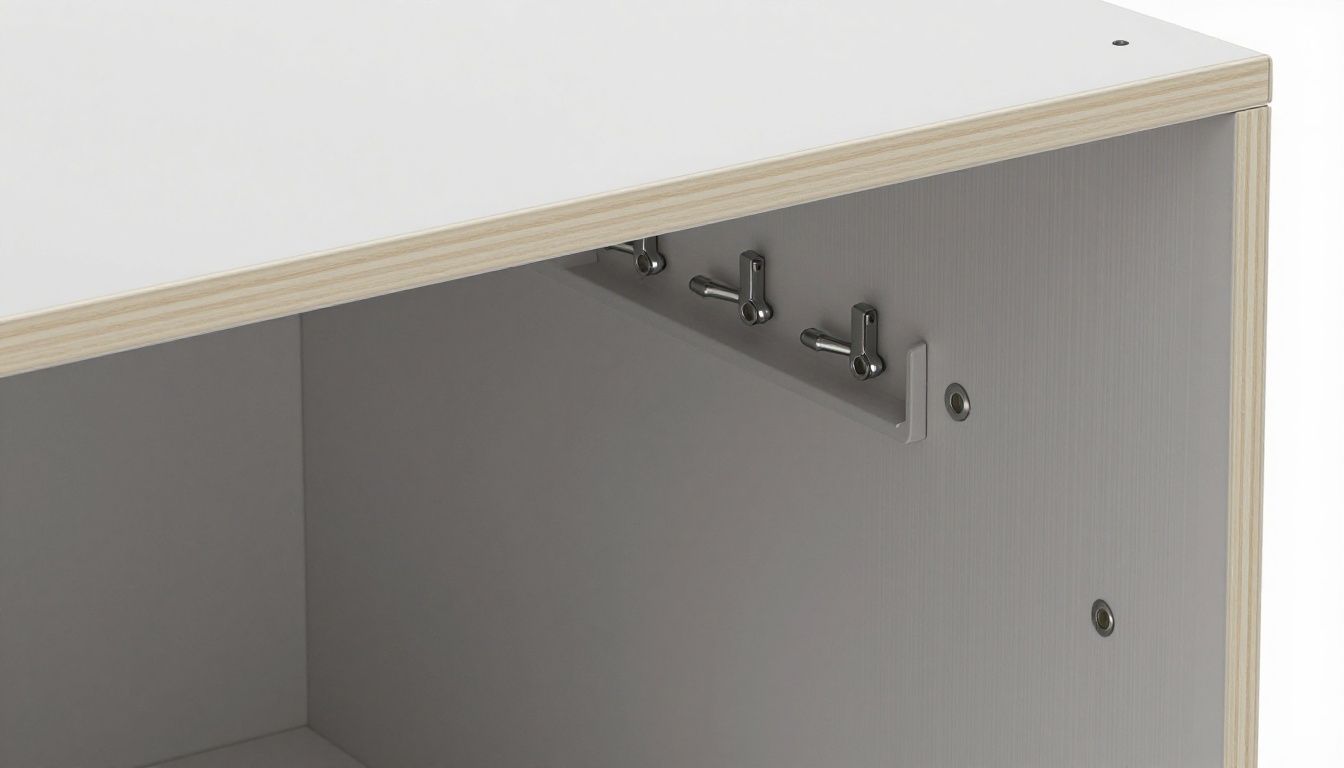
- Frameless (European) Construction: Offers full access to the cabinet interior and a clean, modern look. Requires precise manufacturing and installation. This is the standard for most modern custom kitchens.
- Face Frame Construction: A solid wood frame is attached to the front of the cabinet box. This is a more traditional style, very durable, but slightly reduces accessibility to the cabinet interior.
- Hardware: The cost of hinges, drawer slides, and internal organizers adds up. A kitchen with 15 drawers using premium soft-close slides from a brand like Blum can add several thousand dollars to the cabinet budget compared to basic hardware, but the functional return is significant.
| Cabinetry Feature | Lower Cost Option | Higher Cost Option | Why It Matters |
|---|---|---|---|
| Box Material | Particleboard/Melamine | Furniture-Grade Plywood | Plywood offers superior screw-holding strength and better moisture resistance. |
| Door Style | Flat Slab (Slab Door) | 5-Piece Shaker or Applied Moulding | Complex door styles require more material and labour to produce. |
| Finish | TFL/Melamine | Multi-Coat Conversion Varnish Paint | A high-quality, catalyzed paint finish is far more durable and resistant to chipping and yellowing. |
| Drawer Slides | Epoxy-Coated, 3/4 Extension | Blum Tandem, Full Extension, Soft-Close | Premium slides provide smoother operation, greater access, and a higher load capacity. |
| Interior Organizers | Fixed Shelves | Pull-out pantries, corner systems, drawer dividers | Advanced organizers maximize storage and accessibility but increase cost and complexity. |
Are High-End Appliances Worth the Investment?
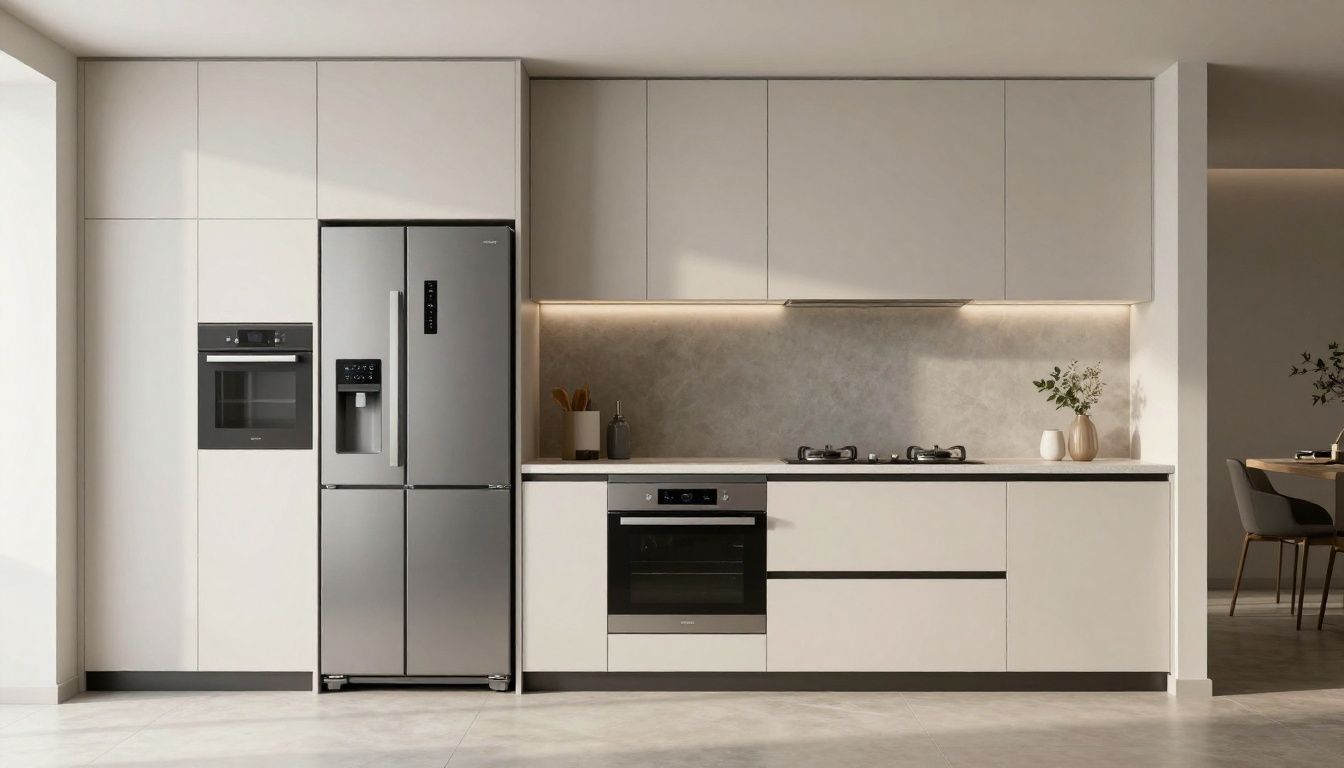
The appliance package can swing a budget by $50,000 or more. A functional suite of appliances from a reliable brand like Bosch or KitchenAid might cost $12,000–$20,000. A comparable package from a luxury brand like Sub-Zero, Wolf, or Miele can easily cost $40,000–$70,000.
The decision rests on use case and longevity. Professional-style ranges offer higher BTU output and more precise temperature control. Integrated refrigeration provides a seamless look but comes at a significant premium. For a client who cooks extensively and values precision, a Wolf range may be a justifiable expense. For most families, the performance difference between a mid-range and luxury appliance is not always noticeable in daily use. The primary benefit is often aesthetic integration and brand prestige. It is crucial to allocate this part of the budget based on functional need, not solely on brand recognition.
How Do Labour and Professional Fees Affect the Total?
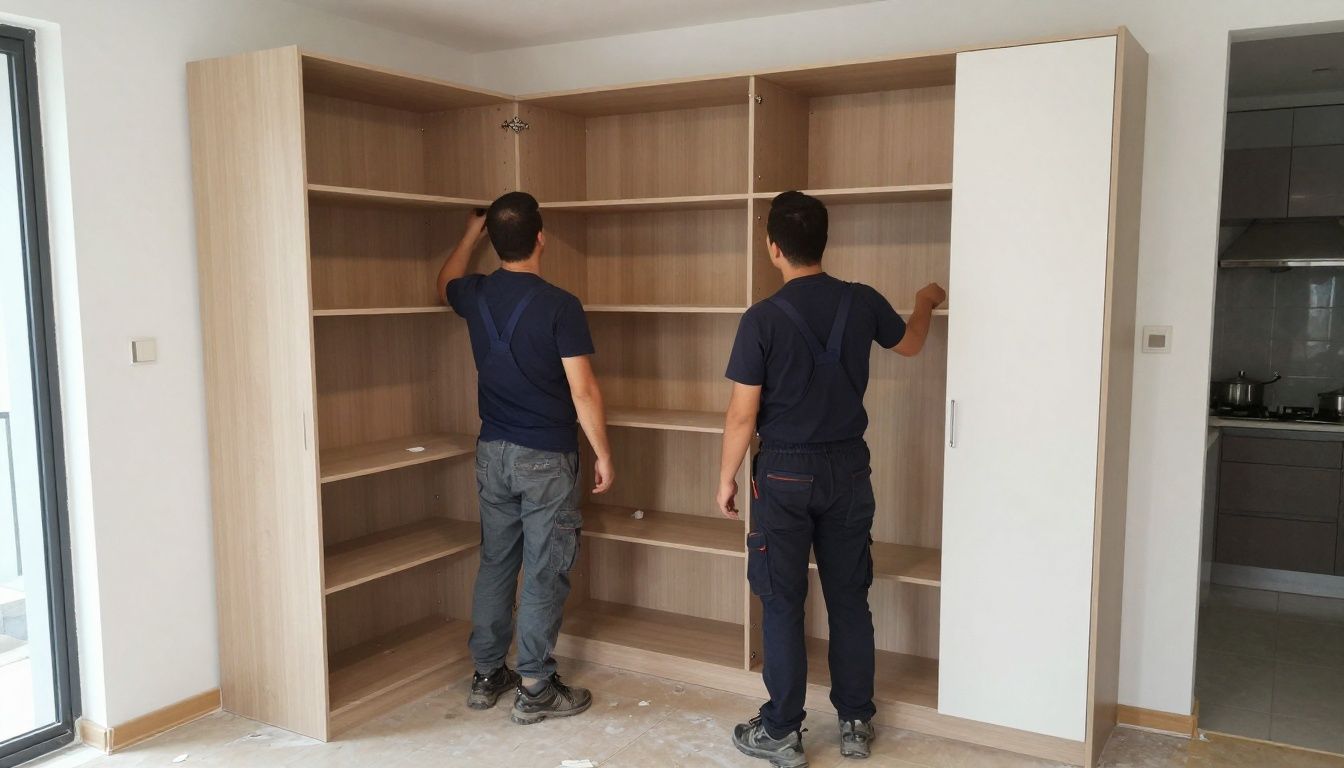
Attempting to save money by self-managing a project or hiring independent, unvetted trades is the most common source of budget overruns and project failure. A kitchen renovation involves a precise sequence of 8-10 different trades. A general contractor (GC) or design-build firm’s fee (typically 15-20%) pays for the logistics, scheduling, and liability of this complex process.
Consider this scenario: a homeowner acting as their own GC has the drywall installed before the electrician has finished running wires for under-cabinet lighting. The drywall must now be cut open and patched, causing delays and costing hundreds, if not thousands, in rework. The painter, who was scheduled based on the original timeline, now has to be rebooked, potentially weeks later. A professional GC prevents these costly sequencing errors.
Professional fees are not an added cost; they are an investment in risk management. This fee ensures the project is built to code, on schedule, and that any issues are resolved by an accountable party. For authoritative guidelines on planning, consult the NKBA Kitchen & Bath Planning Guidelines.
Frequently Asked Questions (FAQ)
How long does a full kitchen renovation take in Vancouver?
For a mid-range project, expect 4-8 weeks for planning and design, followed by 8-12 weeks of active construction. High-end projects with significant structural changes can take 4-6 months from start to finish. Timelines are heavily dependent on material lead times and trade availability.
What permits are required for a kitchen renovation in Vancouver?
If you are moving walls, altering plumbing or gas lines, or making significant electrical changes, you will need building, plumbing, and electrical permits from your municipality. A reputable general contractor will manage the entire permit application process.
Can I live in my house during the renovation?
It is highly disruptive and not recommended. The work area will be a construction zone with significant dust, noise, and no functioning kitchen. Most clients arrange to live elsewhere during the main construction phase, which is typically 4-8 weeks.
How much value does a kitchen renovation add to my home?
In the Vancouver market, a well-executed mid-range kitchen renovation can yield a return on investment of 60-80%. The primary value, however, is in the functional improvement for you while you live in the home. An outdated kitchen can be a major deterrent to potential buyers.
What is the difference between custom and semi-custom cabinets?
Semi-custom cabinets are stock-sized boxes with a wider range of door styles, finishes, and modification options. Custom cabinets are built from scratch to any size, specification, and finish, allowing for complete design freedom and maximum use of space.
Why is there a large price range for quartz countertops?
Quartz slab pricing depends on the brand, the complexity of the design (e.g., heavy veining vs. a simple pattern), and the country of origin. Basic designs from some manufacturers can be half the price of intricate, marble-look designs from premium brands.
A kitchen renovation is a significant financial undertaking where precision in planning dictates the final outcome. Understanding the detailed cost breakdown allows for a realistic budget that aligns with your goals and prevents costly surprises.
If you are planning a kitchen renovation in Vancouver, Burnaby, or Calgary and require cabinetry built to an exact standard, contact Final Draft Cabinetry. We work with homeowners and their general contractors to provide detailed quotes and deliver millwork that forms the foundation of a successful project.