Kitchen Renovation Vancouver: Costs, Trends & Custom Cabinets
Planning a kitchen renovation in Vancouver can feel like a big undertaking. We know that figuring out the costs, the latest styles, and how to get the best cabinets are all on your mind. This guide is here to help break down what goes into a kitchen renovation Vancouver project, from budgeting to choosing the right materials and professionals. Let’s get your dream kitchen planned.
Key Takeaways
- The average cost for a kitchen renovation in Vancouver can range significantly, often between $30,000 and $75,000, with luxury projects exceeding $100,000. Factors like kitchen size, material choices, and layout changes heavily influence the final price.
- Custom cabinetry is a major component of kitchen renovation costs, sometimes making up to 40% of the budget. While more expensive than stock options, they offer tailored storage and aesthetic benefits.
- Material selection, from countertops (laminate vs. quartz/granite) to flooring (vinyl vs. hardwood/tile) and appliances, greatly impacts the overall budget. Balancing desired aesthetics with durability and cost is key.
- Labor costs for skilled tradespeople in Vancouver represent a substantial portion of the renovation budget, typically 20-30%. Getting multiple quotes from reputable contractors is advised.
- Unexpected expenses are common, especially in older homes. It’s wise to set aside a contingency fund of 10-15% of your total budget to cover unforeseen issues, permit requirements, or last-minute changes.
Understanding Kitchen Renovation Costs in Vancouver
The Average Investment for a Vancouver Kitchen Remodel
When we think about renovating our kitchens here in Vancouver, the first thing that usually comes to mind is the cost. It’s a big project, and understanding the potential investment is key to planning. Generally, you can expect a kitchen renovation in Vancouver to fall somewhere between $30,000 and $75,000. Of course, this is a broad range, and the final figure depends heavily on what you’re looking to achieve. A more modest refresh might land at the lower end, perhaps around $30,000 to $40,000, while a full overhaul with high-end finishes and custom elements could easily push past $75,000, sometimes even reaching $100,000 or more for truly luxurious transformations.
Factors Influencing Your Renovation Budget
Several elements play a significant role in shaping your renovation budget. The size of your kitchen is a primary driver; larger spaces naturally require more materials and labor. Beyond square footage, the materials you select for everything from countertops to flooring will have a substantial impact. High-quality finishes, while beautiful and durable, come with a higher price tag. We also need to consider the scope of work. Are we simply updating finishes, or are we changing the layout, moving plumbing, or altering structural elements? Each of these decisions adds to the overall cost. Even the age of your home can introduce variables, as older properties might present unexpected challenges that require additional attention and budget.
Breaking Down the Essential Renovation Expenses
To get a clearer picture, let’s look at how the costs typically break down. While these are averages and can fluctuate, they provide a good starting point for your planning:
- Cabinets and Millwork: Often the largest single expense, these can account for 30-40% of your budget. Custom cabinetry, built specifically for your space, represents a significant portion of this.
- Countertops and Backsplashes: Material choice is key here. From durable quartz to elegant natural stone, this category can range from $7,500 to $10,000 or more.
- Appliances: A suite of quality appliances can range from $8,000 to $16,000, depending on the brands and features you choose.
- Flooring: New flooring, whether it’s tile, hardwood, or luxury vinyl, typically falls in the $2,000 to $4,000 range.
- Labor: Skilled tradespeople are vital for a successful renovation. Expect labor costs to make up about 20-30% of your total budget.
- Demolition and Disposal: The initial removal of old elements can cost between $1,500 and $3,000.
It’s always wise to set aside an additional 10-15% of your total budget for unforeseen issues. This contingency fund is particularly important when renovating older homes, where hidden surprises are more common. Visiting our Burnaby showroom can help you visualize these elements and make more informed material choices early on.
The Crucial Role of Custom Cabinetry
When we think about a kitchen renovation, the cabinets often come to mind first. They’re not just storage; they’re a major design element that sets the tone for the entire space. For homeowners who appreciate lasting quality and a personalized touch, custom cabinetry is a worthwhile investment. It’s about creating a kitchen that truly works for you, reflecting your style and needs.
Why Custom Cabinets Are a Significant Investment
Opting for custom cabinets means you’re getting pieces built specifically for your kitchen’s dimensions and your lifestyle. Unlike standard or semi-custom options, custom cabinets offer unparalleled flexibility in design, size, and configuration. This means we can utilize every inch of space, no matter how awkward the corner or low the ceiling. This bespoke approach ensures optimal functionality and a polished look that mass-produced cabinets simply can’t match. It’s an investment in both the beauty and the practical use of your kitchen for years to come.
Exploring Cabinetry Materials and Finishes
The choices for materials and finishes are vast, and each has its own character and durability. Wood species like maple, cherry, and oak offer classic warmth and can be stained or painted to match any aesthetic. For a more modern feel, consider sleek laminates or durable engineered wood. The finish is where we can really personalize the look. From matte and satin to high-gloss, the options can dramatically change the cabinet’s appearance and how it interacts with light. We also look at hardware – the pulls and knobs – which are like the jewelry for your cabinets, adding that final touch of sophistication.
Maximizing Storage with Bespoke Cabinet Solutions
One of the biggest advantages of custom cabinetry is the ability to design storage solutions tailored to your specific needs. Think about it: do you have a lot of small appliances that need a home? Perhaps deep drawers for pots and pans are a priority, or maybe you envision a dedicated pantry pull-out. We can incorporate:
- Pull-out shelves for easy access to items in the back.
- Drawer organizers for cutlery, spices, and utensils.
- Appliance garages to keep countertops clear.
- Corner solutions like lazy Susans or pull-out shelves to avoid wasted space.
- Integrated trash and recycling bins.
These thoughtful additions transform a kitchen from merely functional to exceptionally efficient. It’s about making everyday tasks smoother and keeping your kitchen tidy with custom home renovation in Vancouver services.
The right cabinetry isn’t just about what you see; it’s about how the kitchen functions day-to-day. We focus on creating spaces that are not only beautiful but also incredibly practical, making your time in the kitchen more enjoyable and less cluttered.
Navigating Material Choices for Your Kitchen

Choosing the right materials for your kitchen renovation is a big decision. It’s not just about looks; it’s about how the space will function for years to come. We want our kitchens to be beautiful, yes, but also practical and durable enough for daily life. Let’s look at some of the key areas where material selection really matters.
Countertop Materials: From Laminate to Luxury Stone
Countertops are a workhorse in any kitchen. They see spills, hot pans, chopping, and a lot of general use. Because of this, durability and ease of maintenance are just as important as the aesthetic. We often see homeowners gravitating towards quartz for its resilience and modern look, especially in busy households or condo projects. It’s a popular choice for a reason, offering a good balance of style and practicality. However, there are many other options to consider, each with its own pros and cons.
Here’s a quick look at some common choices:
- Quartz: Non-porous, stain-resistant, and comes in a vast array of colors and patterns. It’s a top choice for many kitchen renovations in Vancouver.
- Granite: A natural stone that’s very durable and heat-resistant. Each slab is unique, offering a natural beauty.
- Marble: Known for its stunning veining and luxurious feel, but it’s softer and more prone to etching and staining than quartz or granite.
- Laminate: A budget-friendly option that can mimic the look of more expensive materials. It’s less durable and can be susceptible to heat and scratches.
- Butcher Block (Wood): Adds warmth and a natural element. It requires regular sealing and maintenance to prevent staining and damage.
When we’re selecting countertops, we always advise homeowners to think about their lifestyle. If you do a lot of cooking and entertaining, a low-maintenance, durable material like quartz or granite might be the best fit. If budget is a primary concern, laminate can be a good starting point, but it’s important to understand its limitations.
The cost of countertops can vary significantly. While laminate might seem appealing for its initial price, investing in a more durable material upfront can save money and hassle in the long run through fewer repairs and replacements.
Flooring Options for Durability and Style
Kitchen flooring needs to withstand heavy foot traffic, dropped items, and potential spills. We want something that looks good but can also handle the demands of a busy kitchen.
- Tile (Ceramic/Porcelain): Extremely durable, water-resistant, and available in countless styles, colors, and patterns. Porcelain is generally denser and more water-resistant than ceramic.
- Hardwood: Adds warmth and a classic look. It can be refinished, but it’s susceptible to water damage and scratches, so it might not be ideal for very high-traffic or accident-prone kitchens.
- Luxury Vinyl Plank (LVP): A very popular choice today. It’s waterproof, durable, and can convincingly mimic the look of wood or stone at a lower cost.
- Laminate Flooring: More affordable than hardwood and can offer good durability, but it’s not as water-resistant as LVP and can be prone to chipping.
We often find that tile or LVP are the most practical choices for most Vancouver homes, offering a great combination of resilience and aesthetic appeal. Home remodeling trends also show a move towards materials that are both stylish and easy to care for.
Selecting the Perfect Backsplash
The backsplash is a fantastic opportunity to add personality and a pop of color or texture to your kitchen. It also serves a practical purpose by protecting your walls from splashes and grease.
- Subway Tile: A timeless classic that’s versatile and relatively affordable.
- Mosaic Tile: Offers intricate patterns and can be made from glass, stone, or ceramic.
- Natural Stone (e.g., Marble, Travertine): Adds a touch of luxury and can tie in with countertop materials.
- Glass Tile: Reflects light beautifully and can make a space feel larger and brighter.
- Full-Height Backsplash: Extending the countertop material all the way up the wall offers a sleek, modern look and is very easy to clean.
When choosing a backsplash, consider how it complements your countertops and cabinetry. We like to think of it as the jewelry for your kitchen – it can really tie everything together. For a cleaner, more cohesive look, extending your countertop material up the wall as a full-height backsplash is a sophisticated choice that’s also incredibly practical.
Appliance Selections and Integration
Choosing the right appliances is a big part of any kitchen renovation. It’s not just about picking out shiny new gadgets; it’s about how they’ll work with your cooking style, fit your budget, and look within the overall design of your new kitchen. We want our kitchens to be both beautiful and functional, and the appliances play a huge role in that.
Balancing Functionality and Aesthetics in Appliances
When we look at appliances, we’re really considering two main things: how well they perform their job and how they contribute to the kitchen’s look. A high-performance oven is great, but if it clashes with the cabinet style or takes up too much space, it might not be the best fit. We often find that homeowners are looking for appliances that blend in, creating a cohesive look. This is where integrated appliance cabinetry design comes into play, hiding appliances behind custom panels for a clean, unified appearance. It’s a sophisticated approach that really makes a modern kitchen shine.
Budget-Friendly vs. High-End Appliance Packages
There’s a wide spectrum when it comes to appliance costs. On one end, you have budget-friendly packages that offer reliable performance at a lower price point. These can be excellent choices for many homeowners, providing the necessary features without breaking the bank. On the other end, high-end appliances often come with advanced features, superior build quality, and premium finishes. These can offer a more luxurious experience and potentially better long-term durability, but at a significantly higher cost. We help our clients weigh these options, considering not just the upfront price but also energy efficiency and expected lifespan.
Here’s a general idea of what to expect:
| Appliance Type | Budget-Friendly Range (CAD) | High-End Range (CAD) |
|---|---|---|
| Refrigerator | $1,500 – $3,000 | $4,000 – $10,000+ |
| Range/Oven | $1,200 – $2,500 | $3,500 – $8,000+ |
| Dishwasher | $700 – $1,200 | $1,500 – $3,000+ |
| Microwave | $300 – $700 | $800 – $2,000+ |
Note: These are approximate ranges and can vary based on brand, features, and sales.
Integrating New Appliances Seamlessly
Getting new appliances installed isn’t just about plugging them in. Proper integration means ensuring they fit perfectly within the cabinetry, that all necessary electrical or gas connections are handled safely, and that ventilation is adequate. For built-in appliances, precise measurements and custom cabinetry are key. We also consider how the appliances will be accessed for maintenance or repair down the line. It’s about making sure everything works together, not just functionally, but aesthetically too. This thoughtful planning helps avoid issues and ensures your new kitchen operates smoothly from day one. If you’re looking for custom solutions for other areas of your home, custom laundry room cabinets are another great way to improve functionality and style.
The Impact of Layout and Design Changes
When we think about renovating our kitchens, it’s easy to get caught up in the excitement of new cabinets and countertops. But have you considered how the actual layout of your kitchen affects its daily use and overall feel? Sometimes, the most significant improvements come not just from new materials, but from rethinking how the space itself functions.
Rethinking Your Kitchen’s Flow and Functionality
Changing the layout can transform a kitchen from a place where you just cook to the true heart of your home. Think about how you move around while preparing meals, entertaining guests, or just grabbing a quick snack. Is there enough space to work comfortably? Do appliances feel awkwardly placed? Addressing these flow issues can make a huge difference in how you experience your kitchen every day. We often find that homeowners are surprised by how much better their kitchen feels after a few strategic adjustments to the workflow, even before new finishes are installed. It’s about making the space work for you.
When Layout Changes Add Significant Cost
It’s important to be aware that altering the existing layout can add considerably to the overall renovation budget. Moving plumbing, electrical wiring, or gas lines are complex tasks that require skilled professionals and can quickly increase expenses. For instance, shifting the location of your sink or stove might seem like a small change, but it often involves significant structural work. We always advise homeowners to carefully weigh the benefits of a layout change against its potential cost implications.
Here’s a general idea of how different layout changes can impact your budget:
| Change Type | Estimated Cost Impact | Notes |
|---|---|---|
| Minor Adjustments (e.g., cabinet placement) | Low | Minimal disruption, often manageable within a standard renovation. |
| Moving Appliances (no utility changes) | Medium | May require new electrical outlets or minor flooring adjustments. |
| Moving Plumbing/Gas Lines | High | Involves significant labor, permits, and potential structural work. |
| Complete Reconfiguration | Very High | Full gut renovation, extensive utility work, and structural changes. |
Open-Concept Designs and Their Considerations
Open-concept kitchens, where the kitchen flows directly into living or dining areas, have become very popular. They create a sense of spaciousness and make it easier to entertain or keep an eye on family. However, achieving a successful open-concept layout often requires more than just knocking down a wall. We need to consider:
- Structural Support: Removing walls can impact your home’s structure, potentially requiring beams or other supports.
- Ventilation: Cooking smells and noise can travel more easily into living spaces, making good ventilation systems crucial.
- Zoning: Defining distinct areas for cooking, dining, and living within the open space can be achieved through furniture placement, flooring changes, or lighting.
- Electrical and Plumbing: Existing wiring and pipes might need rerouting to accommodate the new open flow. You can explore kitchen design services to help visualize these changes.
While an open layout can feel more modern and inviting, it’s a decision that requires careful planning to ensure it works well for your lifestyle and budget.
Labor and Professional Expertise in Vancouver
When we think about a kitchen renovation in Vancouver, the bulk of a project’s cost—and success—often comes down to the hands that build it. Working with skilled tradespeople is one of the most important steps we take. The difference between a kitchen that ages poorly and one that feels fresh for years often lies in the experience and reliability of the professionals involved.
The Value of Skilled Tradespeople
Experienced tradespeople deliver quality that stands the test of time. In Vancouver, labor accounts for roughly 20-30% of the average kitchen renovation budget. This isn’t just for installation; it includes careful planning, troubleshooting, and craftsmanship. Working with qualified electricians, plumbers, and carpenters means fewer callbacks and less risk of costly repairs down the road.
A few reasons we prioritize professional labor:
- Licensed workers ensure all work meets local building codes and safety standards.
- Skilled trades can complete complex tasks that take DIYers far longer, often with better results.
- Accurate estimates and clear timelines help set expectations.
- Attention to detail—especially in intricate spaces like custom cabinetry or tile work—makes the finished room feel truly polished.
Opting for professional labor is about peace of mind. We know our investment is protected and the work will last.
Understanding Contractor Rates and Quotes
Contractor rates in Vancouver can fluctuate year by year, but they typically range based on experience, demand, and the project’s complexity. On average, we’re currently seeing labor rates as follows:
| Type of Professional | Typical Rate (per hour) |
|---|---|
| General Contractor | $75 – $150 |
| Carpenter or Cabinetmaker | $65 – $110 |
| Plumber | $95 – $145 |
| Electrician | $90 – $150 |
When we review quotes, we carefully compare what each company includes—such as premium finishes or special features—rather than just looking at the bottom line. Sometimes a slightly higher rate means stronger project management or a smoother schedule. For more detailed breakdowns, refer to the average cost for a kitchen renovation.
Before hiring anyone, we:
- Check for proper licensing and references
- Look for recent reviews and photos of past work
- Request detailed written estimates, not just totals
- Discuss warranty policies for both labor and materials
Choosing the Right Renovation Partner
Picking the right renovation partner is just as much about trust as it is about numbers. We always take the time to meet with candidates in person (or virtually). This helps us gauge their communication skills and organization—both crucial for a successful kitchen project. Here’s how we narrow it down:
- Assess compatibility: Does their approach suit our expectations and lifestyle?
- Evaluate experience: How much of their work focuses on kitchens like ours?
- Verify transparency: Are contract terms clear, with milestones and contingencies outlined?
We also look for local experts who know the Vancouver market—especially if we’re considering custom cabinetry. These professionals often have connections to premium suppliers and stay attuned to current Vancouver kitchen trends.
By investing in experienced tradespeople and well-reviewed contractors, we set our renovation up for success from day one. No shortcuts, just a kitchen we can count on for years to come.
Budgeting Strategies for Your Renovation
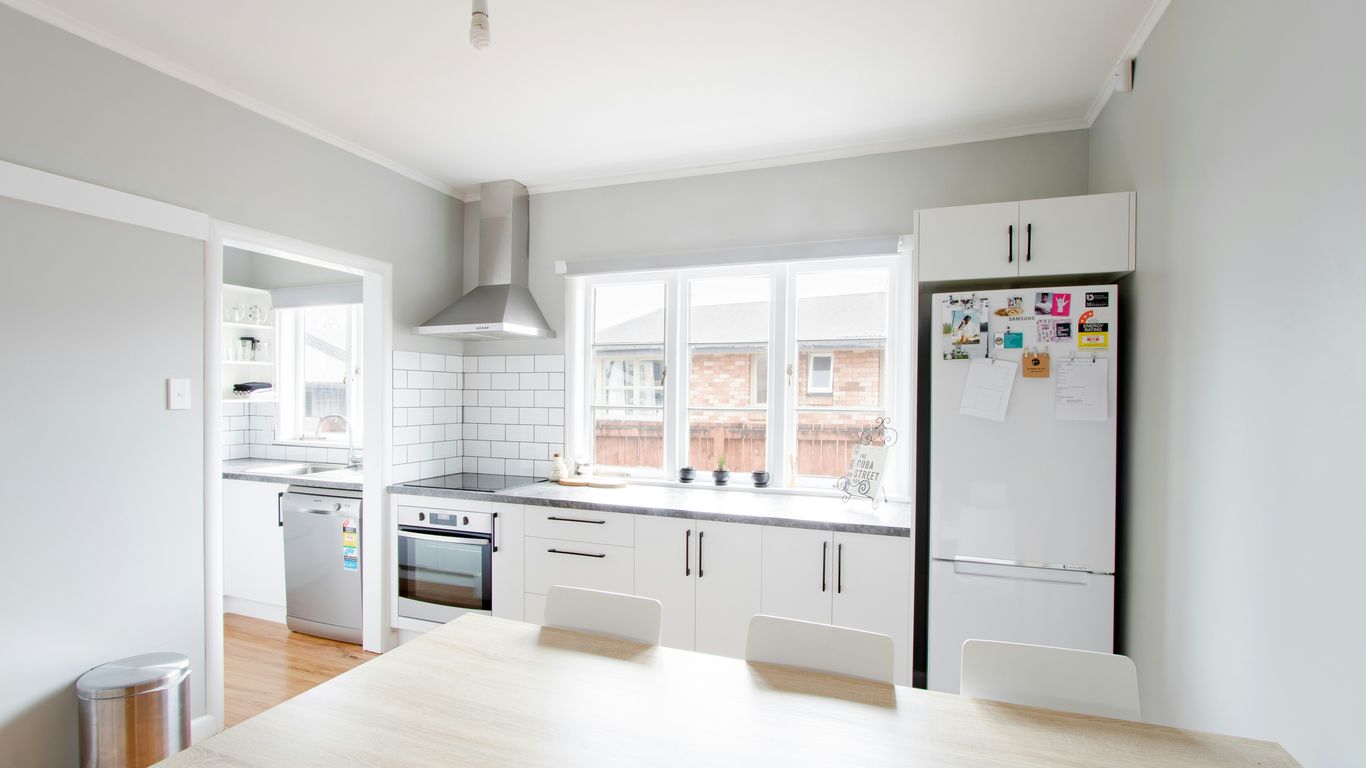
Planning a kitchen renovation in Vancouver is a significant undertaking, and a well-thought-out budget is your roadmap to success. We believe in approaching this process with clarity and foresight, ensuring your investment yields the beautiful, functional kitchen you envision.
Setting a Realistic Budget and Contingency Fund
Establishing a realistic budget from the start is perhaps the most critical step. It involves looking at the overall scope of your project, from new cabinets and countertops to appliances and flooring. We recommend creating a detailed list of all desired elements and then researching their approximate costs. This initial research helps ground your expectations and guides your decisions. Remember, a kitchen remodel is an investment, and understanding the potential costs associated with each component is key to staying on track. For a detailed breakdown of what influences these costs in Vancouver, you might find it helpful to review kitchen renovation costs.
Beyond the initial estimates, it’s wise to build in a contingency fund. Unexpected issues can arise, especially in older homes, and having that financial buffer can prevent stress and project delays. We typically advise setting aside an additional 10-20% of your total estimated budget for unforeseen circumstances. This fund is not for upgrades but for those moments when a hidden plumbing issue or an electrical challenge needs immediate attention.
Prioritizing Your Renovation Needs
Once you have a clearer picture of potential costs, it’s time to prioritize. Not every element of a renovation carries the same weight or impact. Consider what aspects of your current kitchen are most problematic and what upgrades will bring you the most joy and utility. Are you dreaming of more counter space, better storage, or updated appliances? Making a list of your must-haves versus your nice-to-haves can help you allocate funds effectively. Sometimes, focusing on high-impact areas like cabinetry and countertops can transform the space without needing to change the entire layout, which can be a significant cost saver. Keeping the existing layout is often a smart way to manage costs, avoiding expensive plumbing and electrical work.
Tips for Saving Money Without Compromising Quality
Saving money doesn’t mean sacrificing quality. It’s about making smart choices. For instance, instead of opting for the trendiest materials, consider timeless finishes that offer durability and lasting appeal. Refacing existing cabinets, if they are structurally sound, can be a more budget-friendly option than full replacement. When selecting appliances, look for energy-efficient models that can save you money on utility bills over time. We also find that getting multiple quotes from reputable contractors is a good practice. This not only helps you find competitive pricing but also allows you to compare different approaches and understand the value each professional brings. Remember, a well-planned renovation is about achieving a balance between your desires and your financial reality, resulting in a kitchen you’ll love for years to come. For more insights into managing your budget effectively, exploring local renovation costs can be beneficial.
Permits, Fees, and Unexpected Expenses
When we embark on a kitchen renovation, it’s easy to get caught up in the exciting choices of materials and finishes. However, we must also address the less glamorous, yet absolutely vital, aspects: permits, fees, and the ever-present possibility of unexpected costs. These elements are not just bureaucratic hurdles; they are critical for a smooth, legal, and financially sound project.
Navigating Vancouver’s Permit Requirements
Before any hammers start swinging, it’s important to understand that many renovation projects in Vancouver require municipal permits. This is especially true if your project involves structural changes, moving plumbing, or altering electrical systems. These permits are in place to ensure that all work meets safety and building code standards. Failing to obtain the necessary permits can lead to fines, delays, and even require you to undo work. We always recommend consulting with your contractor or the city’s building department early on to determine exactly what permits are needed for your specific renovation. This proactive step helps avoid headaches down the line and ensures your new kitchen is up to code. For more information on this, you can check out Vancouver’s permit requirements.
Anticipating Hidden Costs in Older Homes
Older homes, while full of character, can sometimes hold surprises. As we peel back the layers during a renovation, we might uncover issues that weren’t visible during the initial assessment. This could include outdated or faulty wiring, plumbing problems, or structural weaknesses. While it’s impossible to predict every single issue, budgeting for these potential discoveries is a wise move. A contingency fund is your best friend here. It acts as a financial buffer, allowing us to address these unforeseen problems without derailing the entire project or compromising on the quality of the final outcome. It’s about being prepared for the unexpected, especially when working with a home that has a history.
The Importance of Detailed Project Planning
Thorough planning is our greatest tool against budget overruns and project delays. This involves not just selecting your dream cabinets and countertops, but also meticulously detailing every phase of the renovation. We need to account for:
- Demolition and disposal: The cost and logistics of removing old materials.
- Material delivery and installation: Including any potential delays or extra charges.
- Skilled labor: Coordinating schedules for various tradespeople.
- Contingency allowance: A dedicated portion of the budget for the unforeseen.
A well-structured plan helps us anticipate potential roadblocks and allocate resources effectively. It’s about having a clear roadmap that accounts for both the knowns and the probable unknowns, making the entire renovation process more predictable and less stressful. This careful preparation is key to a successful kitchen remodel.
By addressing permits, fees, and potential hidden costs head-on with diligent planning and a realistic budget, we can move forward with confidence, knowing that our beautiful new kitchen will be built on a solid foundation, both literally and financially.
Current Trends in Vancouver Kitchen Design
We’re seeing some exciting shifts in how kitchens are being designed and updated here in Vancouver. It’s not just about looks anymore; functionality and personal expression are really taking center stage. Homeowners are looking for spaces that are both beautiful and practical for everyday life.
Popular Color Palettes and Finishes
When it comes to colors, we’re moving beyond stark white, though it still has its place. Deep, rich blues and greens are becoming quite popular, offering a sophisticated and calming feel. Earthy tones, like warm beiges and muted terracotta, are also making a strong comeback, bringing a natural warmth into the home. For finishes, matte surfaces are definitely in vogue, especially for cabinetry and hardware. They offer a soft, understated elegance that’s less prone to showing fingerprints than high-gloss options. Think about a beautiful matte black faucet or cabinetry in a deep forest green with a smooth, non-reflective finish.
Incorporating Smart Home Technology
Smart technology is no longer just for the living room. In the kitchen, it’s about making daily tasks easier and more efficient. We’re seeing more integrated smart appliances, like refrigerators that can track inventory or ovens with built-in recipe guides. Voice-activated assistants are also finding their way into kitchen designs, controlling lighting, music, or even providing cooking timers. Even simple things like smart plugs for small appliances can add a layer of convenience. The goal is to create a kitchen that works for you, anticipating needs and simplifying routines.
Sustainable and Eco-Friendly Design Choices
There’s a growing awareness and desire for more sustainable options in home design, and kitchens are no exception. This means looking at materials that are responsibly sourced, durable, and have a lower environmental impact. We’re seeing a rise in the use of reclaimed wood for shelving or accent pieces, recycled glass for countertops, and cabinetry made from sustainable or rapidly renewable materials. Energy-efficient appliances are also a key consideration. It’s about making choices that are good for our homes and good for the planet. This approach aligns with a desire for long-lasting kitchen renovations that minimize waste and environmental footprint over time.
The Timeline of a Kitchen Renovation Project
Embarking on a kitchen renovation is a significant undertaking, and understanding the projected timeline is key to managing expectations and planning your life around the disruption. While every project is unique, we can outline typical durations and factors that influence them.
Estimating Project Duration Based on Scope
The size and complexity of your renovation play the biggest role in how long it will take. A minor refresh, like refacing cabinets and updating countertops, might take a few weeks. However, a full gut renovation involving layout changes, new plumbing, electrical work, and custom cabinetry can easily extend to several months. We often see full kitchen remodels taking anywhere from 6 to 12 weeks to complete. It’s important to remember that this is an estimate, and unforeseen issues can always arise.
Phased Renovation Approaches
For homeowners who need to continue using their kitchen, or for those managing a tighter budget, a phased approach can be a sensible option. This involves breaking the renovation into distinct stages. For example, you might tackle the demolition and structural changes first, then move on to cabinetry and appliances. This allows for periods of normalcy between phases, though it can extend the overall project duration. It requires meticulous planning to ensure each phase flows logically into the next.
Planning for Disruption and Living Arrangements
Living through a kitchen renovation means adapting. We advise our clients to prepare for a period without a fully functional kitchen. This might mean setting up a temporary kitchen in another room, relying on takeout, or even staying elsewhere for certain periods. Clear communication with your contractor about the expected timeline and potential disruptions is paramount. Having a detailed project plan, including a daily log with photos, helps keep everyone informed and allows for prompt adjustments when needed. Being flexible is part of the process, and we’re here to help you anticipate and manage these changes.
Thinking about remodeling your kitchen? It’s a big project, but knowing the steps involved can make it much smoother. From the first idea to the final touches, understanding the timeline helps you plan and get excited about your new space. Want to see how we can help bring your dream kitchen to life? Visit our website to get started!
Bringing Your Dream Kitchen to Life
Embarking on a kitchen renovation in Vancouver is a significant undertaking, but one that promises to transform the heart of your home. We’ve explored the various costs, from the foundational elements like cabinets and countertops to the finishing touches of lighting and fixtures. Remember, while the numbers can seem daunting, careful planning, prioritizing your needs, and working with trusted professionals can help you achieve a beautiful, functional space that truly reflects your style and enhances your daily life. We hope this guide has provided clarity and confidence as you plan your own kitchen transformation.
Frequently Asked Questions
What’s the typical cost for a kitchen remodel in Vancouver?
We’ve seen kitchen renovations in Vancouver range quite a bit. For a more basic update, you might be looking at around $30,000 to $40,000. If you’re planning a bigger change with new layouts and nicer materials, the cost often falls between $50,000 and $75,000. For those dreaming of a high-end kitchen with top-notch cabinets and appliances, costs can easily go over $75,000.
What are the biggest expenses in a kitchen renovation?
Generally, cabinets and countertops tend to be the priciest parts of a kitchen remodel. They often take up a large chunk of the budget. Appliances are another significant cost, especially if you’re choosing premium brands. Don’t forget about labor, too – skilled workers are essential for a great result.
How much do custom cabinets usually cost compared to standard ones?
Custom cabinets are definitely an investment. They’re built specifically for your space, offering a perfect fit and unique look. Because of this, they can cost two to three times more than standard, pre-made cabinets. However, they offer unmatched style and storage solutions.
Are there ways to save money on our kitchen renovation?
Absolutely! We always advise setting a clear budget first and keeping some extra money aside for unexpected things. You can also save by choosing mid-range materials that still look great, like quartz for countertops. Sometimes, updating existing cabinets by painting or refacing them can be much cheaper than replacing them entirely. Also, shopping around for appliance deals can make a difference.
Do we need permits for a kitchen renovation in Vancouver?
Yes, in most cases, you will need permits. This is especially true if you plan to make changes to the structure, move plumbing, or alter electrical wiring. We can help guide you through the process of getting the necessary permits to ensure your renovation meets all local building codes.
How long does a typical kitchen renovation take?
The time it takes really depends on how big the project is. A smaller renovation, like just updating finishes, might take about two to four weeks. However, if we’re changing the layout, doing major structural work, or installing custom everything, it could take anywhere from six to ten weeks, or even longer.
What are some popular design trends we’re seeing in Vancouver kitchens?
We’re seeing a lot of interest in natural materials and earthy tones lately. Many homeowners are also looking for ways to incorporate smart home technology for convenience. Sustainable and eco-friendly choices are becoming increasingly important, too, as people want kitchens that are both beautiful and kind to the environment.
What’s the difference between a mid-range and a luxury kitchen renovation?
A mid-range renovation usually involves updating cabinets, countertops, appliances, and flooring with good quality, functional materials, often keeping the existing layout. A luxury renovation, on the other hand, typically includes custom cabinetry, high-end appliances, premium materials like natural stone, significant layout changes, and advanced features, aiming for a truly bespoke and high-performance space.