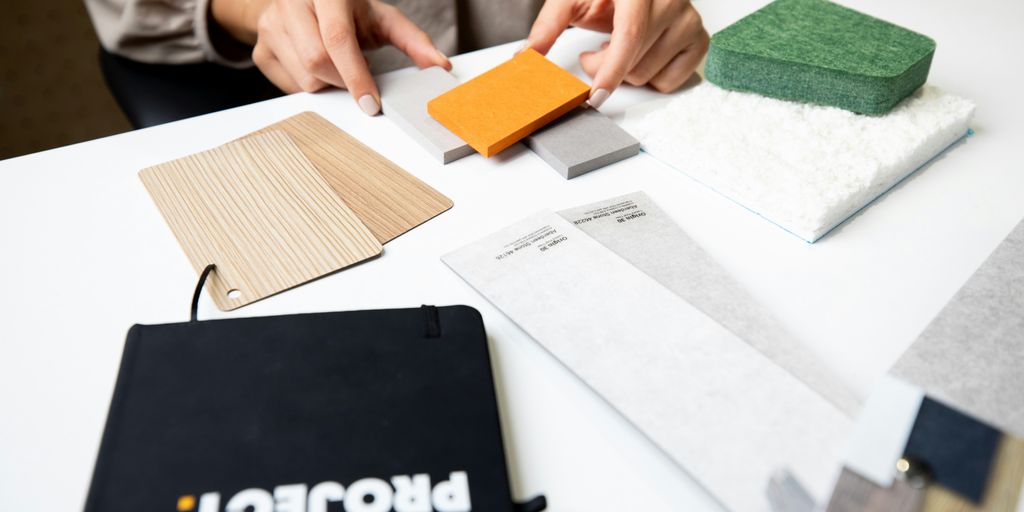
Mastering the Art of Interior Design: A 2025 Guide
Hey there! Thinking about giving your place a fresh look? Well, you’re in luck! We’re talking all about interior design for 2025. It’s not just about pretty pictures anymore; it’s about making your home work for you, feel good, and look amazing. We’ll check out what’s new, what’s staying, and how you can make your space totally yours. Get ready to get inspired!
Key Takeaways
- Interior design in 2025 is all about mixing style with how useful things are, being good for the planet, and making you feel good.
- The latest color trends for 2025 include rich jewel tones, natural earthy neutrals, and rooms completely covered in one color.
- Making your home better for the environment means picking materials that are good for nature, using old things in new ways, and saving energy.
- Furniture that’s comfy and technology that blends in are big for 2025, along with pieces that can do more than one job.
- Finding your own style means looking at different looks, understanding what makes good design, and making your home feel like you.
The Future of Living: Interior Design Trends 2025

It’s 2025, and our homes are evolving! Forget sterile, cold spaces; the focus is now on creating environments that are both stylish and deeply comforting. We’re seeing a shift towards designs that prioritize well-being and sustainability, reflecting a more conscious approach to living. Let’s explore some key trends shaping the future of interior design.
Minimalist With a Cozy Twist
Minimalism isn’t going anywhere, but it’s getting a serious upgrade. Think less stark white and more warm, inviting textures. The key is to create a serene space without sacrificing comfort. Japandi continues to be a major influence, blending Scandinavian functionality with Japanese minimalism. This means clean lines, natural materials, and a neutral color palette, all enhanced with cozy elements like soft throws and warm lighting. It’s all about creating a calming sanctuary.
Textured Walls and Ceilings
Say goodbye to flat, boring walls! Texture is making a huge comeback, adding depth and visual interest to interiors. We’re seeing everything from natural stone applications and textured wallpaper to even more innovative techniques like limewash and Venetian plaster. Ceilings are also getting in on the action, with textured finishes that draw the eye upward and create a sense of spaciousness. It’s a simple way to add character and personality to any room.
Integrated Indoor and Outdoor Spaces
The line between indoors and outdoors is blurring more than ever. People want to feel connected to nature, even when they’re inside. This translates to larger windows, sliding glass doors, and the use of natural materials like wood and stone. Indoor plants are also essential, bringing a touch of greenery and life into the home. Creating a seamless transition between indoor and outdoor spaces is all about maximizing natural light and ventilation, making the home feel more open and airy. Summer 2025 home design trends bold prints are a great way to bring the outdoors in.
Think of it as bringing the serenity of nature into your everyday living space. It’s about creating a harmonious flow that enhances your well-being and connects you to the world outside.
Interior Design Color Trends 2025: Painting Your World
Color is back in a big way! Forget the all-white everything of the past few years. In 2025, it’s all about expressing yourself through bold and interesting color choices. Let’s explore some of the key trends you can expect to see.
Jewel Tones
These aren’t your grandma’s jewel tones. Think rich, saturated colors that add a touch of luxury and drama to any space. Emerald green, sapphire blue, ruby red, and amethyst purple are all excellent choices. These colors work especially well as accent walls or in smaller doses through accessories like pillows and throws.
- Emerald Green
- Sapphire Blue
- Amethyst Purple
Jewel tones can be a bit overwhelming if used excessively. Balance them with neutral colors like gray, beige, or white to create a sophisticated and inviting space. Don’t be afraid to mix and match different jewel tones for a truly unique look.
Earthy Neutrals
While bold colors are trending, earthy neutrals are still a popular choice for creating a calming and grounding atmosphere. Think warm browns, terracotta, ochre, and sage green. These colors are inspired by nature and bring a sense of peace and tranquility to any room. These interiors are versatile and can be used as a base color or as accents.
- Terracotta
- Ochre
- Sage Green
Color Drenched Rooms
This trend is all about using one color in varying shades to create a cohesive and impactful look. It’s a bold choice, but it can be incredibly effective in creating a statement. Imagine a living room painted in various shades of blue, from a light sky blue to a deep navy. Or a bedroom drenched in different tones of blush pink. This color-drenched rooms trend is perfect for those who want to make a statement.
- Choose a color you love.
- Select several shades of that color.
- Use the different shades on walls, furniture, and accessories.
Don’t be afraid to experiment with different color combinations to find what works best for you. The key is to create a space that reflects your personality and style. And remember, you can always repaint if you don’t like it! These trends are here to stay.
Sustainable Interior Design Practices

Sustainability is more than a buzzword; it’s a core principle shaping interior design in 2025. It’s about making choices that minimize environmental impact without sacrificing style or comfort. It’s about creating spaces that are good for you and good for the planet. Let’s explore some key practices.
Eco-Friendly Material Selection
Choosing the right materials is essential. Look for options with a low environmental footprint. This includes things like:
- Bamboo, which is rapidly renewable.
- Cork, harvested sustainably without harming the tree.
- Recycled glass for countertops or tiles.
- Linoleum, made from natural materials like linseed oil.
Prioritize materials that are non-toxic and have low VOC (volatile organic compounds) emissions to ensure better indoor air quality. Consider kitchen island solutions that incorporate these materials.
Reclaimed and Upcycled Elements
Instead of buying everything brand new, think about giving existing items a second life. Adaptive reuse is a great way to reduce waste and add character to your space.
Reclaimed wood can be used for flooring, furniture, or accent walls. Old doors and windows can be repurposed as decorative elements. Even vintage furniture can be reupholstered and given a fresh, modern look. This approach not only reduces waste but also adds a unique story to your home.
Consider how Fall 2014 Trends in Kitchens might be reinterpreted with upcycled materials.
Energy-Efficient Solutions
Sustainability extends beyond materials to energy consumption. Here are some ways to reduce your energy footprint:
- Install energy-efficient windows and doors to minimize heat loss.
- Use LED lighting, which consumes significantly less energy than traditional bulbs.
- Invest in smart home technology to control lighting, heating, and cooling systems efficiently.
Think about incorporating minimalist kitchen design principles to reduce overall energy use. By making conscious choices, you can create a beautiful and sustainable living environment.
Functionality and Smart Home Integration
Casually Comfortable Furniture
Forget stiff, formal living rooms. In 2025, it’s all about furniture that invites you to sink in and relax. Think oversized sectionals, plush armchairs, and ottomans you can actually put your feet on. Comfort is king, and furniture design is reflecting that. It’s about creating a space where you genuinely want to spend time. This doesn’t mean sacrificing style, though. There are plenty of chic, comfortable options out there.
Discreet Technology Integration
Smart home tech is becoming more and more a part of our lives, but nobody wants a house that looks like a spaceship control room. The trend is moving towards technology that blends seamlessly into the background.
Here are some examples:
- Hidden speakers
- Wireless charging built into furniture
- Voice-controlled lighting systems
The goal is to have all the convenience of smart home features without sacrificing the aesthetic of your space. It’s about finding that balance between function and form.
Multifunctional Furniture Designs
In smaller homes, or even just to maximize space, multifunctional furniture is a must. Think coffee tables that lift up to become desks, sofas that turn into beds, and storage ottomans. These pieces are designed to serve multiple purposes, helping you make the most of every square foot. When selecting modern kitchen cabinets, consider how they can integrate with other functional elements in your kitchen design. It’s a practical and stylish way to optimize your living space.
Here are some benefits of multifunctional furniture:
- Saves space
- Reduces clutter
- Offers flexibility
It’s a smart investment for any home, especially those where space is at a premium. The key is to find pieces that are both functional and aesthetically pleasing, so they complement your overall design. Consider how two-toned kitchen cabinets can add visual interest while maintaining functionality in a compact kitchen layout. The integration of smart ecosystems is also a key consideration for 2025, ensuring all your devices work together seamlessly.
Defining Your Personal Interior Design Style

Okay, so you’re thinking about redoing your place. Awesome! But where do you even start? It’s easy to get lost in all the inspiration out there. Figuring out your personal style is the first big step. It’s not just about what looks cool right now, but what you’ll actually love living with day after day.
Exploring Diverse Aesthetic Preferences
There are so many styles to choose from: minimalist, maximalist, modern, rustic, bohemian… the list goes on. Don’t feel like you have to pick just one! Maybe you love the clean lines of modern design but also want the warmth of rustic elements. It’s all about finding what speaks to you. Start by browsing magazines, websites, and social media. Save images of rooms that catch your eye. Notice any patterns? Are you drawn to bright colors or neutral tones? Sleek furniture or cozy textures? This is all valuable information. You can even take a style quiz to help narrow things down.
Identifying Core Design Principles
Once you’ve gathered some inspiration, it’s time to identify the core design principles that resonate with you. This goes beyond just liking a certain look. Think about the functionality of the space. Do you need a lot of storage? Do you entertain often? How do you want the space to feel? Calm and relaxing? Energetic and vibrant? These considerations will help you make informed decisions about furniture, layout, and color. For example, if you’re renovating your kitchen, you’ll want to consider the best colors for kitchen cabinets to match your style.
Personalizing Your Living Environment
This is where your personality really shines through. It’s about making your space feel like you. Add personal touches like artwork, photos, and souvenirs from your travels. Don’t be afraid to mix and match different styles and eras. The goal is to create a space that tells your story and reflects your unique taste. If you’re in Calgary and need help, consider reaching out to Final Draft Cabinetry for kitchen renovation services.
Remember, there are no hard and fast rules when it comes to interior design. It’s all about creating a space that you love and that works for your lifestyle. Don’t be afraid to experiment and have fun with it!
The Art of Space: Understanding Interior Design
Interior design is more than just making a room look pretty. It’s about understanding how people interact with their environment and creating spaces that are both functional and beautiful. It’s a blend of art and science, where aesthetics meet practicality. Let’s explore the key aspects of this fascinating field.
Beyond Aesthetics: Form and Function
Interior design is about creating spaces that work well and look good. It’s not just about picking out furniture and paint colors; it’s about understanding how people will use the space and designing it to meet their needs. A well-designed space should be both visually appealing and highly functional. It’s about finding that perfect balance.
Planning and Layout Considerations
Effective space planning is crucial. It involves understanding the flow of traffic, the placement of furniture, and the overall organization of the room. Consider these points:
- Define the purpose of each space.
- Measure the room accurately.
- Create a floor plan to visualize the layout.
Good planning prevents poor performance. Taking the time to carefully consider the layout of a space can save time, money, and frustration in the long run.
Elements of Lighting and Color Theory
Lighting and color are powerful tools in interior design. They can affect mood, create visual interest, and highlight architectural features. Understanding interior design principles is key to using them effectively. Here’s a quick rundown:
- Color Theory: Understanding how colors interact and evoke emotions.
- Lighting Types: Ambient, task, and accent lighting each serve a different purpose.
- Light Placement: Strategic placement can enhance the space’s functionality and aesthetics.
Choosing the right kitchen island size is also important. It should be proportional to the size of the kitchen and provide adequate workspace.
Creating a Harmonious Home Environment
Creating a space that feels good isn’t just about how it looks; it’s about how it makes you feel. It’s about striking a balance between visual appeal and emotional well-being. A harmonious home is a sanctuary, a place where you can relax, recharge, and truly be yourself. It’s a space that supports your lifestyle and reflects your personality.
Balancing Visual Elements
Achieving visual balance is key to a harmonious space. This involves considering elements like color, texture, and scale. Think about how these elements interact with each other. For example, a balanced color scheme can create a sense of calm, while contrasting textures can add depth and interest. Furniture should be appropriately scaled to the room to avoid feeling cramped or overwhelmed. It’s all about creating a sense of equilibrium.
Promoting Well-Being Through Design
Design can have a profound impact on our well-being. Consider incorporating elements that promote relaxation and reduce stress. Natural light, indoor plants, and comfortable seating can all contribute to a more positive and calming environment. Dedicated wellness spaces, like meditation nooks or yoga areas, are becoming increasingly popular. Don’t underestimate the power of sensorial design – think soft textures, soothing scents, and calming sounds.
A well-designed home should be a refuge, a place where you can escape the stresses of daily life and reconnect with yourself. It’s about creating a space that nurtures your mind, body, and soul.
Crafting Inviting Spaces
An inviting space is one that feels welcoming and comfortable. This can be achieved through careful attention to detail. Consider the flow of the space, ensuring that it’s easy to navigate and that furniture is arranged in a way that encourages conversation and interaction. Avoid overcrowding; less is often more. A cohesive theme can also help to create a sense of unity and harmony. Think about how you can use lighting, color, and accessories to create a warm and inviting atmosphere. Maybe some custom cabinet solutions would help you organize your space and make it more inviting.
Here are some ways to make your home more inviting:
- Add soft lighting with dimmable lamps.
- Incorporate comfortable seating with plenty of cushions and throws.
- Display personal items that reflect your interests and personality.
Innovative Materials and Textures
It’s not just about what things look like, but how they feel. In 2025, expect a big push for interesting materials and textures that add depth and character to our living spaces. Think beyond the usual paint and wallpaper; it’s time to get tactile.
Natural Stone Applications
Natural stone is making a huge comeback. It brings a sense of timelessness and luxury to any space. From marble countertops to slate accent walls, stone adds an earthy touch. It’s durable, beautiful, and each piece is unique. Consider using stone accents in unexpected places, like a kitchen backsplash or even a bathroom vanity. It’s a great way to bring the outdoors in and create a calming atmosphere.
Soft Textiles and Fabrics
Comfort is key, and that means surrounding yourself with soft, inviting textiles. Think velvet, silk, and handwoven wool. These materials not only look great but also feel amazing to the touch. Layering different textures can add depth and interest to a room. Don’t be afraid to mix and match different fabrics to create a cozy and inviting space. These luxurious textures are a must for 2025.
Bamboo Furniture Accents
Bamboo is sustainable, stylish, and versatile. It’s a great option for furniture, flooring, and even wall coverings. Bamboo adds a natural, organic touch to any space. It’s also incredibly durable and easy to maintain. Plus, it’s an eco-friendly choice, which is becoming increasingly important. Consider using bamboo for kitchen cabinets or shelving to add a touch of warmth and texture to your home.
Using innovative materials and textures is about creating a sensory experience. It’s about making your home not just visually appealing, but also a place that feels good to be in. Don’t be afraid to experiment and find what works best for you.
Lighting Strategies for Enhanced Ambiance
Lighting is so much more than just flipping a switch; it’s about crafting an atmosphere. The right lighting can transform a room from sterile to inviting, from dull to vibrant. Let’s explore some strategies to make your home glow.
Layered Lighting Techniques
Think of lighting as having different jobs. You need ambient lighting for overall illumination, task lighting for specific activities, and accent lighting to highlight features. Layering these types creates depth and interest.
- Ambient lighting: Provides general illumination. Think recessed lights, chandeliers, or pendant lights.
- Task lighting: Focuses light on a specific area for tasks like reading or cooking. Examples include desk lamps, under-cabinet lighting, and reading lights.
- Accent lighting: Highlights architectural details, artwork, or other focal points. Use spotlights, track lighting, or wall sconces.
Layering lighting allows you to adjust the mood and functionality of a room based on your needs. It’s about creating a dynamic environment that adapts to different times of day and activities.
Dimmable Light Fixtures
Dimmers are your best friend. Being able to adjust the intensity of your lights gives you incredible control over the ambiance. Want a cozy, relaxed vibe? Dim the lights. Need bright, focused light for working? Crank them up. Dimmers are inexpensive and easy to install, making them a simple way to adjust the mood of any room.
Highlighting Architectural Features
Use lighting to draw attention to the things you love about your home. Got a beautiful stone fireplace? Use spotlights to accentuate its texture. Have a cool archway? Install some uplighting to emphasize its shape. Strategic lighting can turn ordinary features into focal points. Consider these options:
- Uplighting: Position lights at the base of a wall or feature to shine upwards, creating drama and height.
- Spotlighting: Use focused beams to highlight specific objects or areas.
- Backlighting: Place lights behind an object to create a silhouette effect.
Think about how the light interacts with the surfaces and textures in your home. For example, warm metallic finishes in lighting fixtures add a touch of luxury and hardware can create a layered, sophisticated look. Also, consider how the light interacts with your bathroom colour ideas. Experiment with different types of bulbs and fixtures to find what works best for your space.
Maximizing Small Spaces with Interior Design

Small spaces present unique design challenges, but with the right approach, they can be transformed into functional and stylish living areas. It’s all about being smart with your choices and making every inch count. Let’s explore some key strategies for making the most of limited square footage.
Clever Storage Solutions
When space is at a premium, storage becomes incredibly important. Think beyond traditional closets and cabinets.
- Utilize vertical space with tall shelving units.
- Opt for furniture with built-in storage, like ottomans or beds with drawers.
- Consider wall-mounted shelves to keep floors clear.
These solutions help to keep clutter at bay and create a more open feel. Don’t forget about the often-overlooked areas like under the stairs or above doorways – these can be great spots for custom storage solutions.
Space-Saving Furniture
Choosing the right furniture is key to maximizing space. Bulky, oversized pieces can quickly overwhelm a small room. Instead, look for furniture that is scaled appropriately for the space.
- Consider nesting tables that can be easily stored when not in use.
- Opt for a streamlined sofa or sectional instead of multiple armchairs.
- Choose a wall-mounted desk to save floor space.
Multifunctional furniture, like a sofa bed or a dining table that can be folded down, is also a great option for small spaces. These pieces can adapt to your needs and help you make the most of every square foot. small room ideas can be found in many places.
Visual Expansion Techniques
Creating the illusion of more space is just as important as maximizing physical space. There are several visual tricks you can use to make a small room feel larger.
- Use mirrors to reflect light and create depth.
- Choose light and airy colors for walls and furniture.
- Keep window treatments minimal to allow natural light to flood the room.
By using these techniques, you can trick the eye into perceiving more space than actually exists. A well-placed mirror, for example, can double the apparent size of a room. Similarly, light colors tend to recede, making walls feel further away.
Consider also using vertical stripes on walls to draw the eye upwards, making the ceiling seem higher. Don’t underestimate the power of organizing a small kitchen to make it feel bigger.
Ultimately, maximizing small spaces is about being creative and resourceful. By implementing these strategies, you can transform even the tiniest of rooms into comfortable and functional living areas. Remember to prioritize functionality, choose furniture wisely, and use visual tricks to create the illusion of more space. With a little planning and effort, you can create a small space that feels both spacious and stylish. Expert design tips can help you get started.
Want to make your small rooms feel bigger and look amazing? Our design tips can help you use every inch wisely. Find out how to pick the right furniture, colors, and storage solutions to make your home feel open and comfy. Ready to change your space? Get a free estimate today!
Wrapping Things Up
So, as we look ahead to 2025, it’s clear that interior design is all about making spaces that really work for us. It’s not just about how things look, but also about how they feel and how they help us live our daily lives. Think about using things that are good for the planet, furniture that does more than one job, and colors that make you feel good. The main idea is to create a home that feels right for you, a place that’s both nice to look at and super practical. It’s about making your space truly yours, in a way that makes sense for the future.
Frequently Asked Questions
What’s the most popular interior design trend for 2025?
The top interior design trend for 2025 is expected to be furniture that’s super comfy and casual. It’s all about making spaces where you can truly relax, using soft cushions, nice fabrics, and designs that make you want to lounge around and hang out.
How can I make my home more sustainable?
You can make your home more eco-friendly by picking materials that are good for the planet, like fake leather, paints that aren’t harmful, and wood that’s been reused. Also, using appliances and lights that save energy helps a lot.
What colors are popular in 2025?
In 2025, you’ll see a lot of bright jewel tones, natural earthy colors, and shiny warm metals. These colors will add depth, warmth, and a fancy touch to rooms.
How can I make a small room look larger?
To make a small room feel bigger, try using light colors on the walls, mirrors to reflect light, and furniture that doesn’t take up too much visual space. You can also use smart storage to keep clutter out of sight.
How does lighting affect a room’s mood?
Good lighting can really change how a room feels. Use different types of lights, like overhead lights, lamps, and accent lights, to create different moods. Dimmers are also great for adjusting the brightness.
How do I figure out my personal interior design style?
To find your own design style, look at pictures of rooms you like, think about what colors and textures make you feel good, and consider how you use your space. Your home should feel like you!
Is it okay to mix different furniture styles?
Absolutely! Mixing old and new pieces can give your home a unique and personal feel. It adds character and tells a story about your taste and experiences.
Are smart home devices part of modern interior design?
Yes, smart home gadgets are becoming a big part of interior design. They’re being hidden more and more, so they blend in with your decor instead of sticking out. Think hidden speakers or furniture that charges your phone wirelessly.