The Heart of the Home: Designing the Perfect Custom Kitchen Island
We all want our kitchens to feel like the heart of our homes, right? A place where everyone gathers, shares stories, and makes memories. For many of us, the kitchen island is the key to making that happen. It’s more than just a countertop; it’s a workspace, a dining spot, and a social hub all rolled into one. Designing the perfect Custom Kitchen Island with Seating can really change how we use and enjoy our kitchens. Let’s explore how we can create one that fits our lives perfectly.
Key Takeaways
- Figure out what you’ll actually do at your island. Will it be for quick meals, homework, or entertaining guests? Knowing its main jobs helps decide its size and features.
- Adding seating to your island makes it a natural gathering spot. Think about comfortable chairs or stools that fit the style and height of your island.
- Storage is super important. We can add drawers, cabinets, or even hidden spots to keep things tidy and accessible.
- The materials and look of your island matter. Choosing the right countertop and cabinet style ties everything together and makes a statement.
- Consider the shape and where the island goes. It needs to fit your kitchen’s size and allow for easy movement around it.
Defining Your Custom Kitchen Island’s Purpose
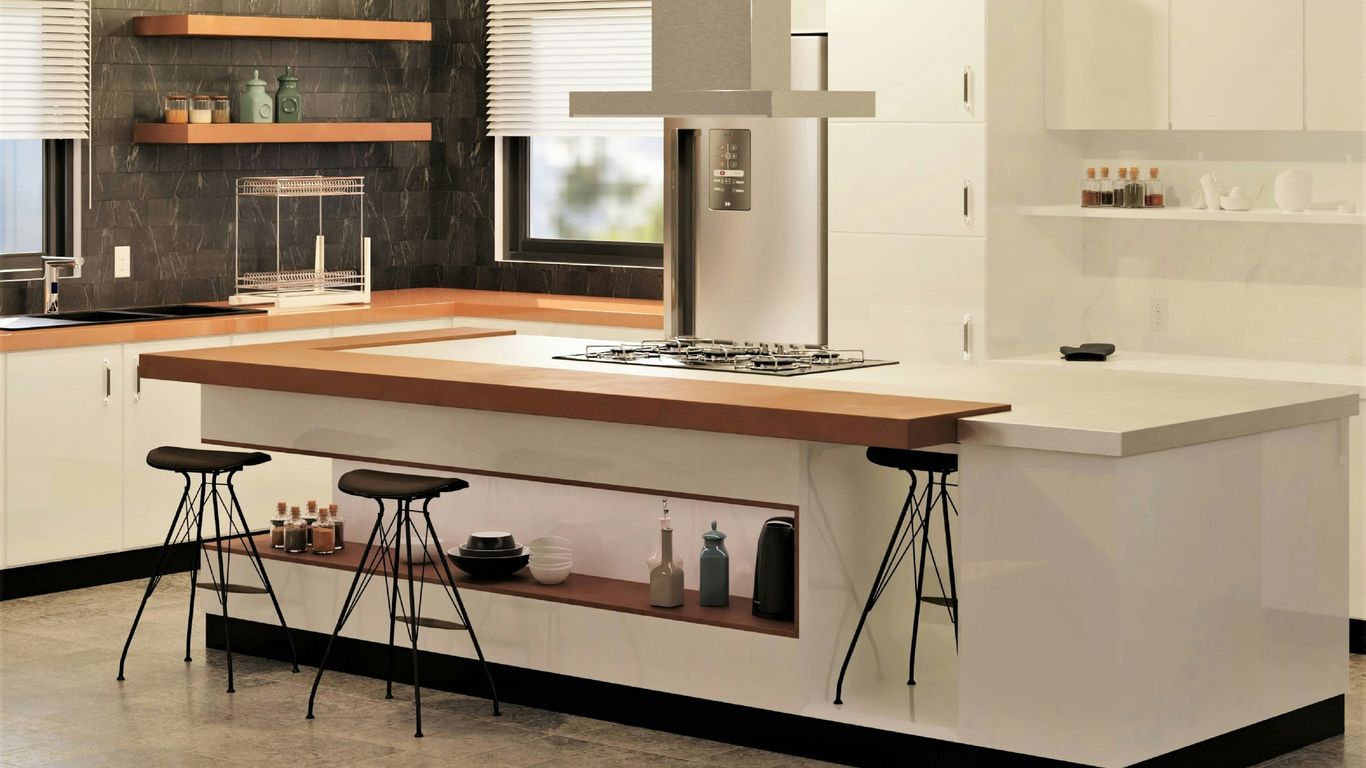
When we think about designing a custom kitchen island, the very first step, before we even consider materials or styles, is to really nail down what we want it to do for us. It’s easy to get caught up in the aesthetics, but a truly great island is one that works perfectly for our daily lives. It’s the central hub, after all, and its purpose dictates everything else.
Understanding Your Household’s Needs
We all use our kitchens differently. For some, it’s a place for quick meals and coffee. For others, it’s the command center for elaborate cooking and baking. We need to ask ourselves: who uses this kitchen, and how? Are there kids who need a spot for homework? Do we entertain frequently, requiring extra serving space? Thinking about the people who will interact with the island daily helps us understand its primary functions. It’s about making sure the island supports our routines, not the other way around.
Envisioning Daily Activities and Gatherings
Picture a typical day, or even a special occasion, in your home. What activities will unfold around the island? Will it be the spot for morning coffee and catching up on the news? Perhaps it will host family dinners, game nights, or even serve as a temporary office space. Visualizing these moments helps us identify the specific needs the island must meet. This thoughtful consideration is key to creating a space that feels both beautiful and incredibly practical. We want an island that fits into our lives, not one that forces us to adapt.
Balancing Functionality with Lifestyle
Our goal is to create an island that is both a workhorse and a welcoming gathering place. It needs to handle the practical demands of cooking and cleaning while also inviting people to connect. We might need ample counter space for meal prep, but also comfortable seating for conversation. It’s about finding that sweet spot where the island’s design supports our lifestyle, whether that’s a busy family hub or a sophisticated space for entertaining. A well-designed island should feel like a natural extension of how we live.
The most successful kitchen islands are those that are so well-integrated into the daily rhythm of the home that you barely notice their presence – until you need them. They just work, effortlessly supporting whatever task or gathering comes their way.
Integrating Seating for Enhanced Social Connection
Creating a Welcoming Gathering Spot
We often see kitchens as the heart of the home, and a well-designed island seating area truly solidifies that notion. It’s more than just a place to perch; it’s an invitation for connection. Imagine casual mornings with coffee, after-school snacks, or simply a spot for friends to chat while you prepare a meal. This kind of informal gathering space makes your kitchen more inviting and functional for everyday life. A custom island can transform your kitchen into a central hub for both activity and conversation, making it a natural gathering point for family and guests alike [99ac].
Designing for Comfortable Dining Experiences
When planning your island, think about how you’ll use it for meals. Will it be for quick breakfasts, family dinners, or entertaining? We can design an extended countertop that provides ample space for dining, turning your island into a versatile dining area. For those who appreciate a more dynamic kitchen layout, bar-height seating offers a sophisticated yet relaxed feel. This approach can even serve as a smart alternative to a separate dining room, especially in homes where space is a consideration. The right seating configuration makes the island a truly multi-functional surface.
Optimizing Flow with Bar-Height Seating
Bar-height seating is a popular choice for a reason. It creates a distinct zone within the kitchen and can make the space feel more open. When we design this type of seating, we pay close attention to the overhang needed for comfortable legroom and the overall flow around the island. It’s about balancing the desire for seating with the need for clear pathways. We consider how many people you typically need to accommodate and ensure there’s enough space so no one feels cramped. This thoughtful approach to seating integration means your island is not only beautiful but also practical for daily use and entertaining [cd86].
Maximizing Storage and Appliance Integration

When we think about a kitchen island, it’s easy to get caught up in the aesthetics – the beautiful countertops, the stylish cabinetry. But let’s be honest, the real magic happens when we consider how it can truly work for us. This is where smart storage and thoughtful appliance integration come into play, transforming your island from a mere surface into a highly functional hub.
Clever Solutions for Kitchen Essentials
We often find that homeowners underestimate the amount of storage a well-designed island can provide. It’s not just about adding a few extra cabinets; it’s about creating dedicated spaces for everything. Think about pull-out shelves for pots and pans, deep drawers for linens, or even specialized inserts for cutlery and utensils. We’ve seen islands designed with built-in wine racks, pull-out trash and recycling bins, and even dedicated spots for pet bowls. The goal is to keep your countertops clear and your most-used items within easy reach. For those who love to bake, a dedicated baking station with pull-out shelves for mixers and storage for ingredients can be a game-changer. Exploring prefab kitchen islands with smart storage solutions can offer a great starting point for ideas.
Seamlessly Incorporating Appliances
Integrating appliances into your island can dramatically improve workflow and free up valuable space elsewhere in the kitchen. Microwaves can be housed in convenient drawers, eliminating the need for bulky countertop models. Dishwashers can be placed near the sink for easy loading, and even compact refrigerators or wine coolers can be built right in. This approach not only looks sleek but also makes your kitchen more efficient for everyday use. Consider how a range built into the island allows you to interact with guests while cooking, truly making it the heart of your entertaining space. Large kitchen islands provide versatile options for incorporating appliances and sinks.
Hidden Compartments for Clutter Control
Let’s face it, kitchens can accumulate a lot of clutter. Islands offer a fantastic opportunity to hide away less attractive but necessary items. This could mean a pull-out cutting board that disappears when not in use, a hidden charging station for electronics, or even a dedicated compartment for cleaning supplies. These thoughtful details make a big difference in maintaining a tidy and organized kitchen. We believe that proper placement and tailored storage are key to an efficient and enjoyable kitchen space.
The true beauty of a custom island lies in its ability to adapt to your specific needs, providing a place for everything and keeping your main kitchen areas clear and functional. It’s about creating a space that supports your lifestyle, whether you’re a gourmet chef or a busy parent.
Here are some ideas we often discuss with clients:
- Appliance Garages: Conceal toasters, blenders, and other small appliances.
- Spice Racks: Integrated pull-out racks keep spices organized and accessible.
- Charging Stations: Discreetly house outlets and USB ports for devices.
- Trash/Recycling Pull-outs: Keep waste bins out of sight and easily accessible.
By carefully planning these elements, we can create an island that is not only beautiful but also incredibly practical, serving as the ultimate workhorse in your kitchen.
Exploring Material and Design Aesthetics
When we think about our kitchen islands, it’s easy to get caught up in the practicalities – storage, seating, workspace. But let’s not forget how much the materials and overall design contribute to the feel of our home. The island is often a central piece, a place where we gather, cook, and live, so its appearance matters. Choosing the right materials and finishes can truly transform the space, making it both beautiful and a joy to use every day.
Choosing Countertop Materials That Inspire
The countertop is arguably the most visible part of your island, and it sets a lot of the tone. We want something that looks good, of course, but also holds up to daily life. Think about how you use your kitchen. If you’re a frequent baker or cook, you might lean towards something durable and easy to clean, like quartz or granite. These materials come in a wide range of colors and patterns, allowing for a lot of personalization. For a warmer, more natural feel, butcher block is a fantastic option, though it does require a bit more care. It adds a lovely, organic touch and can be a great contrast to other surfaces in the kitchen. We’ve seen some stunning islands with a mix of materials, like a durable quartz perimeter with a warm wood section for prep work.
Cabinetry Styles to Complement Your Home
Just like the countertops, the cabinetry on your island plays a big role in its overall look. Do you prefer the clean lines of modern shaker doors, or the more detailed look of traditional raised panels? The style of your island cabinetry can either blend in with your existing kitchen cabinets or act as a deliberate contrast to create a focal point. For instance, if your main kitchen cabinets are a light neutral, you might opt for a darker wood tone or a bold color for the island to make it stand out. This is where you can really inject personality. We find that many homeowners are moving towards warmer palettes and natural textures these days, which can be beautifully expressed through island cabinetry cabinetry trends for 2025.
The Impact of Color and Finish
Color is such a powerful tool in design. Your island can be a place to introduce a pop of color that you love, or it can be a grounding element with a more subdued, sophisticated finish. A deep navy, a rich forest green, or even a warm, earthy tone can make an island feel substantial and inviting. The finish also matters – a matte finish can feel more contemporary and understated, while a high gloss can add a touch of glamour. We often suggest considering how the island’s color and finish will interact with the rest of your kitchen’s palette. It doesn’t always have to match perfectly; sometimes, a thoughtful contrast creates a more dynamic and interesting space. It’s about creating a cohesive look that feels intentional and reflects your personal style.
The materials we choose for our kitchen island are more than just functional components; they are the elements that give our island its character and contribute significantly to the overall atmosphere of our home. Selecting finishes that align with our lifestyle and aesthetic preferences ensures that this central hub is not only practical but also a source of daily delight.
Here’s a quick look at how different material choices can influence your island’s look:
| Material Type | Aesthetic Qualities | Durability & Care | Best For |
|---|---|---|---|
| Quartz | Wide variety of colors/patterns, consistent look | Very durable, low maintenance | Busy kitchens, modern aesthetics |
| Granite | Natural stone, unique veining, classic appeal | Durable, requires sealing | Traditional or transitional styles |
| Butcher Block | Warm, natural wood grain | Requires regular oiling/sealing | Rustic, farmhouse, or warm modern looks |
| Marble | Luxurious, elegant veining | Softer, prone to etching/staining | Light-use areas, statement pieces |
Ultimately, the goal is to create a kitchen island that feels like a natural extension of your home’s style, a place that is as pleasing to look at as it is to work at. A custom kitchen island is a chance to get this just right, making your kitchen a truly personalized heart of the home.
The Visual Impact of Your Island Design
Creating a Stunning Focal Point
We often think of kitchen islands as purely functional, but their visual contribution to a kitchen’s overall design is immense. A well-designed island can truly become the heart of your kitchen, drawing the eye and setting the tone for the entire space. It’s an opportunity to introduce a distinct personality, whether through bold colors, unique materials, or striking architectural details. Think of it as a piece of furniture that anchors the room, influencing how we perceive the rest of the kitchen. The island is where form and function meet to create a memorable centerpiece.
The Role of Lighting Above the Island
Lighting is absolutely key when it comes to highlighting your island’s visual appeal. Pendant lights or a stylish chandelier hung directly above the island do more than just illuminate the workspace; they create a dramatic focal point. The style of the fixture itself can speak volumes about your aesthetic, from modern and minimalist to rustic and ornate. Consider how the light spills onto the countertop and the surrounding area, creating ambiance for both cooking and entertaining. Proper lighting makes the island not just a work surface, but a destination.
Achieving a Cohesive Kitchen Palette
Your island is a prime candidate for introducing contrast or harmony into your kitchen’s color scheme. You might opt for an island that mirrors your cabinetry for a unified look, or choose a contrasting color or material to make it stand out. For instance, a dark-toned island can ground a lighter kitchen, or a brightly colored island can inject energy into a more subdued space. It’s about finding a balance that feels intentional and complements the rest of your home’s design. We find that tying in elements from your cabinetry styles with the island, perhaps through a shared wood tone or a complementary finish, helps create a sense of belonging.
Consider these approaches for integrating your island into the kitchen palette:
- Contrasting Countertops: Pair an island countertop material that differs from your perimeter countertops to create visual interest.
- Color Blocking: Use a distinct color for the island cabinets that either complements or boldly contrasts with the main kitchen cabinets.
- Material Play: Introduce a different material, like a warm butcher block or a sleek stone, on the island to break up the monotony of uniform surfaces.
The island is a chance to express your style. It can be a place to introduce a material or color that you love but might not want to commit to for the entire kitchen. This allows for personalization without overwhelming the space.
Considering Island Shapes and Layouts
When we think about designing a custom kitchen island, the shape and layout are just as important as the materials or features we might include. It’s not just about how it looks; it’s about how it fits into our kitchen and how we move around it every day. Getting this right means our kitchen feels more functional and less like a maze.
Adapting to Your Kitchen’s Footprint
Every kitchen is different, and the island needs to work with the space we have. A large, open kitchen might welcome a grand rectangular island, offering plenty of room for prep and gathering. For more compact areas, we might consider a narrower, galley-style island. This approach provides valuable counter space without making the kitchen feel crowded. Sometimes, an L-shaped island can make great use of a corner, defining zones within the kitchen. The key is to make the island feel like a natural extension of our kitchen, not an afterthought. We want it to complement the existing layout, not fight against it. Thinking about the overall dimensions is a good start; for instance, ensuring at least 36 inches of clearance around the island is often recommended for comfortable movement.
Flow and Traffic Considerations
How we walk through our kitchen matters. We don’t want to be constantly bumping into things or having to squeeze past furniture. The island’s placement and shape directly impact traffic flow. A well-placed island can actually improve how we move around, creating clear pathways between the refrigerator, sink, and stove. If seating is part of the plan, we need to make sure there’s enough room for people to get in and out of chairs comfortably, usually with about 12-15 inches of overhang for legroom. This thoughtful planning prevents bottlenecks, especially when multiple people are in the kitchen at once. It’s about creating an intuitive path for everyday tasks and for entertaining guests.
Unique Island Configurations
Beyond the standard rectangular or L-shaped designs, there are other ways to configure an island to suit specific needs. We might look at circular or oval islands, which can serve as a beautiful focal point and help with traffic flow by softening corners. For kitchens that need flexibility, a movable island or one with drop-leaf extensions can be a smart choice, offering more counter space when needed and tucking away when not. Some designs even incorporate different levels, perhaps a lower section for prep work and a raised bar area for casual dining. These custom configurations allow us to tailor the island precisely to our lifestyle and how we use our kitchen space. Exploring options like these can lead to a truly personalized kitchen island design.
When we’re planning an island, we always consider the practicalities. How much space do we really need between the island and the perimeter cabinets? A common guideline is around four to four and a half feet for main walkways. This ensures that even if two people are working in the kitchen, or someone is passing by with groceries, there’s ample room. It’s a balance between maximizing the island’s utility and maintaining comfortable circulation throughout the room. This attention to detail is what separates a good island from a great one.
Here are some common island shapes and their benefits:
- Rectangular: Versatile, works well in most kitchens, offers ample workspace and storage.
- L-Shaped: Great for defining zones and utilizing corner spaces.
- U-Shaped: Provides extensive counter and storage space, often best for larger kitchens.
- Circular/Oval: Can improve flow and act as a striking visual centerpiece.
- Galley-Style: Ideal for narrower kitchens, offering functionality without taking up too much width.
Choosing the right size is also important, and professional advice can help tailor the island to your specific needs and kitchen aesthetic.
Incorporating Essential Features for Efficiency
When we design a custom kitchen island, we always think about how it can make your daily life smoother. It’s not just about looks; it’s about making your kitchen work better for you. We want to add features that you’ll appreciate every single day.
The Convenience of Integrated Sinks
Adding a sink to your island can really change how you use your kitchen. Imagine prepping vegetables or washing hands without having to walk back and forth to the main sink. It makes cooking and cleanup so much easier, especially when you’re busy or have guests. We can look at different sink styles, from a small prep sink perfect for washing produce to a larger one that can handle more substantial tasks. The right sink placement can significantly cut down on your movement around the kitchen.
Prep Stations for Culinary Enthusiasts
For those who love to cook, a dedicated prep station on the island is a game-changer. This could mean a specific countertop material that’s easy to clean and durable, like a solid surface or a specific type of stone. We can also think about built-in features like knife blocks, utensil holders, or even a small cutting board that fits right into the countertop. It’s all about creating a space where you can focus on the cooking without interruption.
Accessible Power Outlets
We can’t forget about power! Having outlets built right into the island is incredibly useful. Think about using small appliances like blenders or mixers without struggling with extension cords. We can integrate them discreetly into the island’s design, perhaps under an overhang or in a pop-up unit, so they don’t disrupt the island’s clean look. This makes your island a truly functional hub for all your kitchen activities.
We find that homeowners often underestimate the impact of thoughtful details like integrated sinks and accessible power. These aren’t just conveniences; they are key components that contribute to a kitchen’s overall usability and enjoyment.
The Value of Professional Design Guidance

Navigating Complex Design Choices
When we start thinking about a custom kitchen island, it’s easy to get excited about all the possibilities. We might have a Pinterest board full of ideas or a clear picture in our minds of how we want it to look and function. But translating those ideas into a practical, well-built reality can be a bit tricky. There are so many details to consider, from the exact dimensions to how it fits with the rest of the kitchen’s layout. It’s often in these complex choices that professional guidance makes a real difference. A designer can help us see beyond the surface and figure out what will truly work best for our specific home and lifestyle. They know how to ask the right questions to uncover needs we might not have even thought of, like how much space we really need for prep work or if a specific seating arrangement would actually be comfortable for daily use. They help us avoid common pitfalls that can make a kitchen feel awkward or less functional than it could be. It’s about making sure the island isn’t just pretty, but also a joy to use every single day.
Leveraging Expert Experience
Think about it: we wouldn’t try to perform surgery on ourselves, right? Similarly, when it comes to something as central to our home as the kitchen, bringing in someone with experience is a smart move. Professionals have seen countless kitchens and islands, and they understand what works and what doesn’t in a practical sense. They know about the latest trends, but more importantly, they know how to apply them in a way that’s timeless and suits your home. They can suggest materials and features that offer long-term value and durability, things we might overlook on our own. For instance, they can advise on the best countertop materials that stand up to daily wear and tear or the most efficient ways to integrate appliances so they don’t disrupt the workflow. This kind of insight comes from years of hands-on work and a deep understanding of kitchen design principles. It’s about getting a result that not only looks good but is also built to last and function beautifully for years to come. Working with a designer can help us create a truly custom kitchen island that fits our needs perfectly for our home.
Ensuring a Functional and Beautiful Outcome
Ultimately, our goal is a kitchen island that we love to look at and, even more importantly, love to use. A professional designer acts as our advocate, ensuring that both aesthetics and practicality are prioritized. They help us balance our desires with the realities of space, budget, and functionality. This means we end up with an island that feels like a natural extension of our kitchen, not an afterthought. They can help us plan for things like adequate lighting above the island, convenient power outlet placement, and even clever storage solutions that keep clutter out of sight. The result is a space that feels cohesive, works efficiently, and reflects our personal style. It’s about creating a beautiful focal point that also serves as the true heart of our home, making everyday tasks easier and gatherings more enjoyable. This careful planning is key to a successful kitchen island project that transforms your space.
| Design Consideration | Professional Input | Homeowner Benefit |
|---|---|---|
| Workflow Optimization | Expert layout planning | Reduced time spent on tasks |
| Material Selection | Guidance on durability & aesthetics | Long-lasting beauty and function |
| Storage Solutions | Tailored cabinet and drawer design | Clutter-free countertops |
| Lighting Integration | Strategic fixture placement | Improved ambiance and task visibility |
Elevating Your Kitchen with a Custom Island
Transforming Your Kitchen’s Heart
Think of your kitchen island not just as an extra surface, but as the central hub of your home. It’s where meals are prepped, homework gets done, and conversations flow. A custom island is designed to fit your life, making everyday tasks smoother and gatherings more enjoyable. It’s about creating a space that truly works for you.
A Smart Investment in Your Home
Investing in a custom kitchen island is more than just a remodel; it’s about adding lasting value and functionality to your home. A well-designed island can improve workflow, provide much-needed storage, and become a beautiful focal point. It’s a feature that pays dividends in daily convenience and can make your home more appealing to future buyers.
Personalized Solutions for Modern Living
We believe your kitchen should reflect your unique needs and style. That’s why we focus on creating personalized solutions. Whether you need a dedicated baking station, a homework spot for the kids, or a place for guests to gather while you cook, we can design an island that accommodates it all.
Here are a few ways a custom island can make a difference:
- Integrated Storage: Deep drawers for pots and pans, pull-out shelves for appliances, and hidden bins for trash and recycling keep clutter out of sight.
- Seating Areas: Comfortable spots for quick breakfasts or extended family dinners.
- Prep and Serving Zones: Additional counter space and even a secondary sink to make cooking and entertaining easier.
A custom island is a chance to tailor your kitchen precisely to how you live, blending practical needs with your personal aesthetic. It’s about making your kitchen the most functional and inviting room in the house.
We work closely with you to understand your daily routines and preferences. This collaborative approach helps us design an island that isn’t just beautiful, but also incredibly practical for your family’s lifestyle.
Want to make your kitchen amazing with a custom island? It’s a fantastic way to add style and function. Imagine a beautiful centerpiece that fits your space perfectly. Ready to see what’s possible for your kitchen? Visit our website to explore ideas and get started on your dream space today!
Bringing It All Together
So, we’ve talked a lot about kitchen islands – how they can be the workhorse of your kitchen, a place for family to gather, and a real statement piece. It’s clear that a custom island isn’t just another piece of furniture; it’s a thoughtful addition that can truly change how you use and enjoy your home. When you get it right, it just feels right, making everyday tasks smoother and entertaining a breeze. If you’re thinking about making this kind of upgrade, remember that working with folks who really know their stuff can make all the difference. They can help you figure out all the little details, so you end up with something that’s not just beautiful, but perfectly suited to your life.
Frequently Asked Questions
What’s the first thing we should think about when designing our kitchen island?
Before anything else, we need to figure out how we’ll actually use the island. Will it be a place for homework, meal prep, or family dinners? Knowing its main jobs helps us decide on the best features and size.
How do we make sure our island fits our kitchen space well?
The size of the kitchen usually tells us how big the island can be. We always make sure there’s enough room to walk around comfortably, usually about four to four and a half feet, so the island works well without making the kitchen feel crowded.
Should our kitchen island match our cabinets?
It can go either way! If we like a classic look, matching is great. But if we prefer something more unique, we can use different colors or materials to make the island stand out. The key is to make sure it still feels connected to the rest of the kitchen.
What are some smart storage ideas for a kitchen island?
We can add all sorts of storage! Think deep drawers for pots and pans, special dividers for baking sheets, pull-out shelves for small appliances, or even hidden bins for trash and recycling. Open shelves for cookbooks also look nice.
Can a kitchen island add seating even if our kitchen is small?
Absolutely! We can design the island with a counter overhang or a specific seating area. This gives us extra places to sit without making the kitchen feel cramped, and it looks like it was planned that way from the start.
What’s the best way to make our kitchen island a focal point?
Besides the island’s shape and materials, great lighting above it can really make it pop. Unique pendant lights or a stylish chandelier can draw the eye and make the island a stunning centerpiece.
What kind of materials are good for kitchen island countertops?
We have many choices! We can pick materials that are tough and easy to clean, like quartz or granite. Or, we could go for something warmer like butcher block. The best choice depends on how we plan to use the island and the overall look we want.
Why should we get professional help designing our kitchen island?
Designing a custom island can be tricky. Experts know about clever features we might not think of, like built-in appliances or special seating arrangements. They help us avoid mistakes and make sure our island is both beautiful and works perfectly for our daily lives.