Optimizing Your Home with Smart Spice Kitchen Design
Optimizing Your Home with Smart Spice Kitchen Design
Making your kitchen smart and well-organized, especially for spices, can really change how you cook and use your home. It’s not just about having fancy gadgets; it’s about making things easier and more fun. This article will walk you through how to set up your kitchen with cool tech and smart storage, focusing on practical spice kitchen design ideas that make sense for everyday life.
Key Takeaways
- Smart kitchens use technology to make cooking simpler and more enjoyable, with things like voice control and automated appliances.
- Voice-controlled devices and smart ovens can help you cook hands-free and get perfect results every time by managing temperatures and times.
- Good spice kitchen design means organizing your spices so they are easy to find and reach, using custom racks and smart storage.
- You can use cabinet doors, pull-out drawers, or open shelves to store spices, keeping them tidy and looking good.
- Smart pantry systems track what you have and when things expire, helping you reduce waste and keep your kitchen stocked.
Understanding Smart Kitchens
Defining Smart Kitchen Technology
Smart kitchen technology is all about integrating digital intelligence into your cooking space. It’s about making things more efficient and sustainable. Think of it as upgrading your kitchen with features that learn and adapt to your needs. These systems often use sensors, automation, and connectivity to streamline tasks. Smart Kitchen Technology is changing how we interact with our kitchens, making them more intuitive and responsive.
Benefits of Connected Kitchens
Connected kitchens offer a range of benefits.
- Efficiency: Automating tasks saves time and effort.
- Sustainability: Optimizing energy and water usage reduces waste.
- Convenience: Remote control and monitoring provide flexibility.
A connected kitchen can also improve safety by monitoring appliances and alerting you to potential problems. It’s about creating a space that’s not only functional but also safe and secure.
Assessing Your Culinary Habits
Before diving into smart kitchen upgrades, take a moment to think about your cooking habits. What do you cook most often? How much time do you spend in the kitchen? Understanding your needs will help you choose the right smart appliances and features. Consider these points:
- Frequency of cooking
- Types of meals prepared
- Number of people typically served
By assessing your culinary habits, you can create a smart kitchen that truly enhances your cooking experience. For example, if you frequently bake, a kitchen island shape with a smart oven might be a worthwhile investment.
Integrating Voice-Controlled Appliances
Hands-Free Operation for Efficiency
Imagine prepping a complex dish, hands covered in spices, and needing to adjust the oven temperature. That’s where voice control shines. Voice-activated assistants let you manage appliances, set timers, and even access recipes without touching a thing. This is a game-changer for efficiency, especially when multitasking. It’s not just about convenience; it’s about keeping your workflow smooth and uninterrupted. Think of it as having an extra pair of hands in the kitchen, ready to assist at a moment’s notice. You can even use voice commands to control kitchen cabinet ideas and lighting.
Seamless Integration with Smart Home Systems
Voice control isn’t just about individual appliances; it’s about connecting your entire kitchen to your smart home ecosystem. This means you can control lighting, temperature, and even play music, all with simple voice commands. The key is integration. A well-integrated system allows for customized routines, like dimming the lights and playing relaxing music when it’s time to unwind after dinner. It’s about creating a cohesive and responsive environment that adapts to your needs. If you’re looking for kitchen renovation services in Richmond, make sure they understand smart home integration.
Ensuring Device Compatibility
Before diving into voice-controlled appliances, it’s important to check for compatibility. Not all devices play nicely together. You’ll want to make sure your chosen voice assistant (like Alexa, Google Assistant, or Siri) works with the appliances you plan to use. This might involve some research and planning, but it’s worth it to avoid headaches down the road. Here’s a quick checklist:
- Check the specs: Look for devices that explicitly state compatibility with your preferred voice assistant.
- Read reviews: See what other users are saying about their experiences with specific device combinations.
- Consider a unified platform: Some brands offer a suite of appliances designed to work seamlessly together.
Integrating voice control can really transform your kitchen experience. It’s not just about the cool factor; it’s about making your time in the kitchen more efficient, enjoyable, and connected. By carefully planning and choosing compatible devices, you can create a smart kitchen that truly enhances your culinary adventures. If you’re in Maple Ridge, consider consulting with a professional for smart upgrades.
Precision Cooking with Smart Ovens
Smart ovens are changing how we approach cooking. They offer features that take the guesswork out of meal preparation, making it easier to achieve consistent and delicious results. Let’s explore how these appliances can improve your spice kitchen.
Automated Temperature and Time Adjustments
Smart ovens can automatically adjust temperature and cooking time based on the type of food you’re preparing. This automation helps prevent undercooking or burning, ensuring your dishes are cooked to perfection. Many models come with pre-programmed settings for various recipes, taking the guesswork out of cooking. For example, if you’re baking a cake, the oven can automatically set the temperature and time based on the cake type. This feature is especially useful for complex recipes or when trying something new. The Breville BOV900 is a great example of an oven that offers these kinds of automated features.
Real-Time Monitoring for Optimal Results
Real-time monitoring is a key feature of smart ovens. Internal sensors detect the food’s type and volume, making adjustments during the cooking process. This ensures even cooking and prevents common issues like dry or undercooked spots. Some ovens even provide feedback on your cooking techniques, suggesting adjustments to improve your results. This level of precision is especially beneficial when working with delicate spices, as it helps preserve their flavor and aroma.
Imagine never having to worry about overcooking a delicate spice-infused dish again. Smart ovens provide the control and monitoring needed to achieve perfect results every time.
Smartphone Connectivity for Remote Control
Smartphone connectivity allows you to control your oven from anywhere. You can preheat the oven on your way home from work, adjust the temperature remotely, or receive alerts when your meal is ready. This feature adds convenience and flexibility to your cooking routine. Some ovens also offer recipe suggestions and allow you to save your favorite settings for future use. This connectivity extends to monitoring expiry dates, helping to reduce waste and manage supplies efficiently, similar to smart pantry storage. The Breville Smart Oven Air Fryer Pro offers a range of functions that can be controlled remotely.
Here’s a simple table illustrating the benefits of smartphone connectivity:
| Feature | Benefit |
|---|---|
| Remote Preheat | Saves time, oven is ready when you are |
| Temp Adjustment | Fine-tune cooking from anywhere |
| Notifications | Alerts when cooking is complete |
| Recipe Suggestions | Discover new dishes and cooking methods |
Optimizing Spice Kitchen Design
Assessing Current Layout for Spice Storage
Okay, so first things first, let’s take a good, hard look at what we’re working with. I mean, really analyze your current spice situation. Where are they now? How are they stored? Is it a chaotic mess like mine usually is? Think about how much space you’re using and how accessible everything is. Are you constantly knocking over bottles trying to find that one elusive spice? This initial assessment is key. It’s about understanding the pain points so you can actually fix them. Don’t just glance – really dig in and see what’s not working. This will help you figure out what kind of spice storage solutions you need.
Customizing Spice Racks for Accessibility
Now, let’s talk about getting those spices within easy reach. Forget generic racks; think about what you need. Do you have a ton of small jars? Maybe tiered shelves are the way to go. Got a bunch of larger containers? Then you might want wider shelves or even pull-out drawers. The goal here is to make it super easy to grab what you need without having to rummage around. Consider things like the height of your shelves and the depth of your drawers. Also, think about where you’re placing the rack. Near the stove is convenient, but away from direct heat is better for preserving those flavors.
Selecting Materials to Complement Kitchen Style
Okay, so it’s not just about function; it’s about making it look good too. The material of your spice rack should actually complement your kitchen’s overall style. Got a modern kitchen? Sleek metal or acrylic might be a good fit. More of a rustic vibe? Wood is your friend. And don’t forget about the little details, like the finish and the hardware. These things can make a big difference in how well the spice rack blends in. You want it to look like it belongs there, not like an afterthought. Think about how the kitchen functionality will be affected by your choice.
Choosing the right materials is important. You want something that’s durable, easy to clean, and that looks good with the rest of your kitchen. Don’t be afraid to mix and match materials to create a unique look. For example, you could use a wooden rack with metal accents, or a metal rack with glass jars.
Incorporating Spice Racks into Cabinetry
Utilizing Cabinet Door Space
One of the most overlooked areas for spice storage is the inside of your cabinet doors. You can easily attach narrow spice racks or magnetic strips to hold your spices. This is especially useful for frequently used spices, keeping them within easy reach while you’re cooking. Just make sure the racks aren’t too bulky, or they might prevent the door from closing properly. Consider using adjustable racks to accommodate different sized spice containers.
Designing Pull-Out Spice Drawers
Pull-out spice drawers are a fantastic way to maximize space and keep your spices organized. These drawers can be custom-built to fit your specific cabinet dimensions and spice collection. Think about incorporating dividers or tiered shelving within the drawers to make it easier to see and access your spices. This design keeps spices protected from light, which can extend their shelf life. You can find modern kitchen cabinets that already have this feature built in.
Adding Dividers for Enhanced Organization
Dividers are key to keeping your spice collection neat and tidy. They prevent bottles and jars from rolling around and make it easier to find what you’re looking for. You can use adjustable dividers to customize the layout as your spice collection grows or changes. Here are some divider options:
- Adjustable plastic dividers
- Wooden inserts
- Metal wire dividers
A well-organized spice drawer or cabinet not only saves time while cooking but also helps you avoid buying duplicates of spices you already have. It’s a small change that can make a big difference in your kitchen’s functionality. Consider the benefits of custom kitchen cabinets to maximize your space.
Here’s a simple table illustrating how dividers can improve organization:
| Feature | Without Dividers | With Dividers |
|---|---|---|
| Spice Visibility | Limited | Excellent |
| Organization | Chaotic | Orderly |
| Space Usage | Inefficient | Efficient |
Don’t forget to consider the overall style of your kitchen when choosing spice racks. The materials and finishes should complement your existing Shaker style kitchen cabinets and decor, contributing to a cohesive look.
Showcasing Spices with Open Shelving
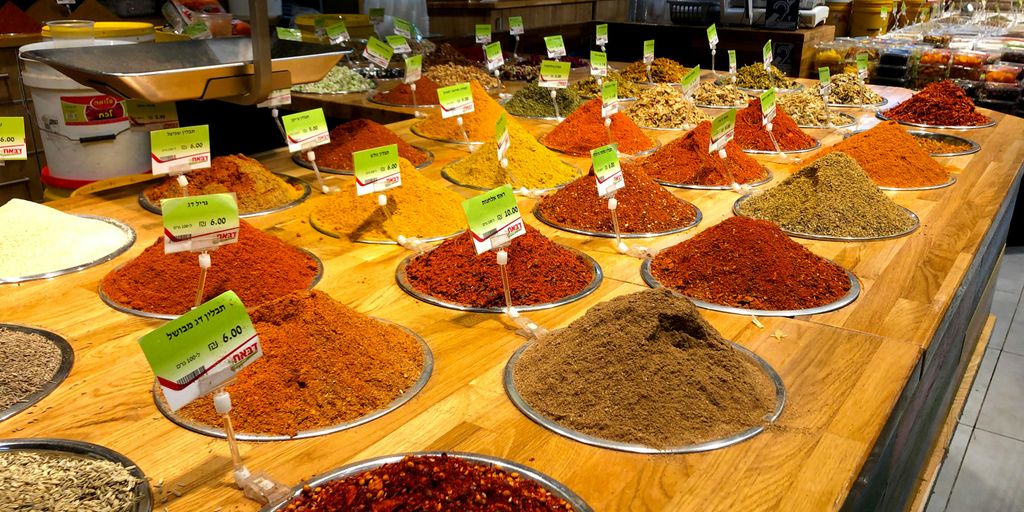
Open shelving can be a fantastic way to display your spices, turning them into a decorative element in your kitchen. It’s not just about storage; it’s about creating a visually appealing and functional space. Let’s explore how to make the most of open shelving for your spices.
Creating Visually Pleasing Displays
When using open shelving, presentation is key. Consider using matching jars or containers for a uniform look. This instantly elevates the aesthetic. You can also play with different heights and shapes to add visual interest. Think about arranging spices by color or origin to create a cohesive and attractive display. Don’t overcrowd the shelves; leave some breathing room between items to prevent a cluttered appearance. This is a great way to complement your kitchen cabinet Burnaby.
Color-Coding for Aesthetic Appeal
Color-coding your spices isn’t just for looks; it can also be surprisingly practical. Grouping spices by color makes it easier to find what you need at a glance. For example, you could keep all the red spices (paprika, chili powder, cayenne pepper) together. This method adds a vibrant touch to your kitchen while streamlining your cooking process. It’s a simple yet effective way to enhance both the beauty and functionality of your spice storage. You can find many DIY spice rack ideas online.
Arranging Spices by Use Category
Organizing spices by use category is another smart approach. Consider grouping spices based on how frequently you use them or the type of cuisine they belong to. For instance, you might have a section for baking spices (cinnamon, nutmeg, cloves) and another for savory spices (cumin, coriander, turmeric). This method makes it easier to locate the spices you need for a particular recipe. Plus, it helps you keep track of what you have on hand, reducing the likelihood of buying duplicates. Think about how this could work with your kitchen pantry cabinets.
Open shelving can be a great way to showcase your spices, but it’s important to keep them organized and protected from direct sunlight and heat. These elements can degrade the quality and flavor of your spices over time. Consider using tinted jars or placing your shelves away from windows and heat sources to prolong the shelf life of your spices.
Smart Pantry Storage Solutions
Automated Inventory Tracking
Imagine your pantry keeping tabs on everything you have! Automated inventory tracking is becoming a reality with smart pantry solutions. These systems use sensors and scanners to monitor what’s in stock, and some can even predict when you’re about to run out of an item. This is especially useful for frequently used spices or baking essentials. It’s like having a personal assistant for your pantry, ensuring you never run out of key ingredients mid-recipe. This can be a game-changer for busy families or anyone who hates last-minute grocery runs.
Monitoring Expiry Dates to Reduce Waste
One of the biggest benefits of a smart pantry is its ability to track expiry dates. No more digging through the back of the shelf to find that spice that expired three years ago! These systems can send you alerts when items are nearing their expiration date, prompting you to use them before they go bad. This not only saves you money but also helps reduce food waste. Consider this: the average household throws away a significant amount of food each year, and a smart pantry can help minimize that. You can also look into kitchen cabinets to help with organization.
Smartphone Integration for Pantry Updates
Smartphone integration takes your pantry to the next level. Imagine being at the grocery store and instantly knowing what you already have at home. Smart pantry systems allow you to access your inventory from your smartphone, making grocery shopping much more efficient. You can easily update your shopping list based on what you need, avoiding unnecessary purchases. Plus, some systems even allow you to reorder items directly from your phone when supplies are low. It’s all about convenience and control, putting the power of pantry management in the palm of your hand. You can also find maintenance tips to keep your pantry in top shape.
A smart pantry isn’t just about convenience; it’s about creating a more efficient and sustainable kitchen. By automating inventory tracking, monitoring expiry dates, and integrating with your smartphone, you can reduce waste, save money, and simplify your life.
Advanced Lighting for Functionality
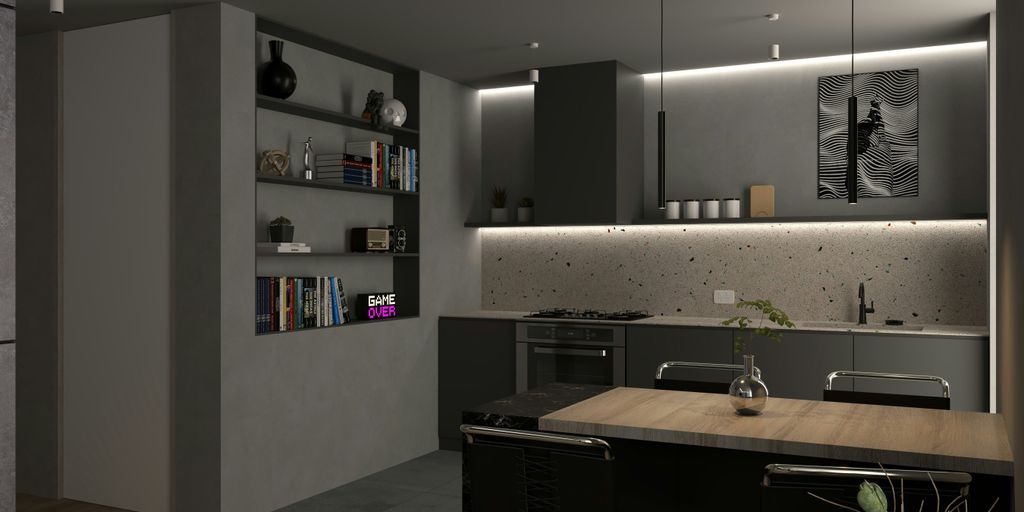
Lighting is more than just illumination; it’s a key element in creating a functional and inviting spice kitchen. Thoughtful lighting design can improve visibility, highlight key areas, and even set the mood. Let’s explore how to use lighting to its full potential.
Task Lighting Under Cabinets
Under-cabinet lighting is essential for illuminating countertops, making food preparation safer and more efficient. Consider LED strip lights for their energy efficiency and long lifespan. These lights provide focused illumination where you need it most, reducing shadows and improving visibility. Proper task lighting is a must for any serious cook. You can find great lighting solutions that enhance visibility for cooking.
Pendant Lighting for Focal Points
Pendant lights are a great way to add style and focus to specific areas, such as kitchen islands or breakfast bars. They not only provide light but also serve as decorative elements, enhancing the overall aesthetic of the kitchen. When selecting pendant lights, consider the size, style, and height to ensure they complement the space and provide adequate illumination. Think about how the light will interact with the surfaces below. Pendant lighting can really transform a space, and there are many lighting types to choose from.
Dimmer Switches for Mood Control
Dimmer switches offer flexibility in controlling the brightness of your kitchen lights, allowing you to adjust the ambiance to suit different activities and times of day. Whether you’re preparing a meal or enjoying a quiet evening, dimmer switches enable you to create the perfect atmosphere. They also help save energy by reducing the amount of electricity used when full brightness isn’t needed. Installing dimmer switches is a simple upgrade that can make a big difference in the functionality and feel of your kitchen. Don’t forget to consider how two-toned kitchen cabinets can affect the light in the room.
Layering different types of lighting is key to achieving a well-lit and functional kitchen. Combining task, accent, and ambient lighting ensures that all areas are properly illuminated and that the overall atmosphere is both inviting and practical.
Selecting and Placing Appliances
Choosing Energy-Efficient Models
When it comes to appliances, energy efficiency is key. It’s not just about saving money on your utility bills; it’s also about reducing your environmental impact. Look for appliances with the Energy Star label. These models meet strict energy-efficiency guidelines set by the EPA.
Here’s a quick rundown of why it matters:
- Lower utility bills: Energy-efficient appliances use less electricity and water.
- Environmental impact: Reduced energy consumption means less pollution.
- Long-term savings: Although they might cost more upfront, they save you money over time.
Investing in energy-efficient appliances is a smart move for your wallet and the planet. It’s a win-win situation.
Strategic Placement for Workflow
The placement of your appliances can significantly impact your kitchen’s workflow. Think about how you move around the kitchen when you’re cooking. The goal is to minimize unnecessary steps and create a smooth, efficient process. For example, placing the dishwasher near the sink makes loading dishes easier. Keeping the refrigerator close to the prep area is also a good idea. Consider the “kitchen work triangle” – the relationship between the sink, stove, and refrigerator – to optimize your layout. If you’re planning a kitchen renovation, think about how you use each appliance and how they relate to each other.
Integrating Built-In Appliances
Built-in appliances can give your kitchen a sleek, modern look. They create a seamless appearance by blending in with your cabinetry. This can be especially appealing in smaller kitchens where space is at a premium. Built-in refrigerators, ovens, and dishwashers are popular choices. However, keep in mind that built-in appliances are typically more expensive than freestanding models. Also, installation can be more complex and may require professional assistance. When selecting cabinet colors, consider how they will complement your built-in appliances for a cohesive design.
Here’s a quick comparison:
| Feature | Built-In Appliances | Freestanding Appliances |
|---|---|---|
| Appearance | Seamless, integrated | More visible, can stand out |
| Space Saving | Yes, often designed to maximize space | Can take up more space |
| Cost | Generally more expensive | Generally less expensive |
| Installation | More complex, often requires professional help | Simpler, often DIY-friendly |
| Customization | Can be customized to fit specific cabinet dimensions | Limited customization options |
If you’re considering a kitchen island, think about integrating appliances like a microwave or wine fridge into the island design for added convenience.
Enhancing Kitchen Workflow with Islands
Islands can really transform a kitchen, not just in looks but also in how well it functions. They add extra counter space, storage, and even seating, making the kitchen a more versatile area. Let’s look at how to make the most of a kitchen island.
Benefits of an Island or Peninsula
An island or peninsula can significantly improve your kitchen’s functionality. They provide additional workspace for food preparation, which is always a plus. Islands can also serve as a central hub for socializing, especially if you add bar stools. Peninsulas, on the other hand, are great for smaller kitchens because they offer similar benefits without taking up as much floor space. They can act as a divider between the kitchen and another room, like a dining area. Both options can include extra storage, like cabinets or drawers, to keep your kitchen organized. Consider the overall layout and how you use your kitchen to decide which option is best for you.
Optimizing Island Layout for Prep
When planning your island layout, think about how you’ll use it. If it’s mainly for food prep, make sure you have enough counter space. Consider adding a small sink for washing vegetables or a built-in cutting board. The placement of your island relative to the stove and refrigerator is also important. You want to create a smooth workflow, so you’re not constantly walking back and forth across the kitchen. Think about adding outlets for small appliances like blenders or food processors. Good lighting is also key, so consider pendant lights or under-cabinet lighting to illuminate your work area. A well-planned island can make cooking much more efficient and enjoyable.
Incorporating Storage within Islands
Islands are a fantastic opportunity to add extra storage to your kitchen. Think beyond just standard cabinets. You could include pull-out shelves for easy access to pots and pans, or drawers for utensils and spices. Open shelving can also be a stylish way to display cookbooks or decorative items. If you have kids, consider adding a lower cabinet with easy-to-reach storage for snacks and lunchboxes. Custom kitchen island concepts can really maximize space. Don’t forget about the ends of the island – you can add shallow cabinets or shelves there for extra storage. By carefully planning the storage within your island, you can keep your kitchen clutter-free and organized.
Adding an island to your kitchen can be a game-changer. It’s not just about looks; it’s about making your kitchen a more functional and enjoyable space to be in. Think about how you use your kitchen and design your island to meet your specific needs. With careful planning, you can create an island that becomes the heart of your home.
Here’s a simple table to illustrate storage options:
| Storage Type | Description | Benefits |
|---|---|---|
| Cabinets | Standard enclosed storage | Hides clutter, stores large items |
| Drawers | Pull-out storage for utensils and small items | Easy access, keeps items organized |
| Open Shelving | Display storage for books and decor | Adds visual interest, displays items |
| Pull-Out Shelves | Shelves that slide out for easy access | Reaches items at the back of the cabinet |
| End Cabinets/Shelves | Shallow storage on the ends of the island | Maximizes every inch of space |
Remember to consider kitchen island size when planning your layout.
Retrofitting Existing Kitchens
Upgrading with Smart Appliances
Retrofitting your existing kitchen with smart appliances is easier than you might think. Many smart appliances are designed to integrate into older kitchens without requiring major renovations. Start by identifying appliances that would make the biggest difference in your daily routine. A smart refrigerator that helps you track groceries or a voice-controlled faucet can be a great starting point. Consider replacing your current appliances one at a time to spread out the cost and effort.
Integrating New Technology Seamlessly
Integrating new technology into an existing kitchen requires careful planning. Think about how the new devices will interact with your current setup. For example, if you’re adding smart lighting, ensure it’s compatible with your existing electrical system. Wireless technology can be a lifesaver, reducing the need for extensive wiring. Also, consider the aesthetic impact of new gadgets. You can disguise floating cabinets with painted doors to keep spices accessible yet hidden, enhancing both functionality and aesthetics in your kitchen.
Here are some tips for a smooth integration:
- Assess your current infrastructure.
- Choose devices that are compatible with each other.
- Plan for necessary wiring or outlets.
It’s important to prioritize appliances and features that align with your cooking habits and lifestyle. Don’t feel pressured to adopt every new technology at once. Start with a few key upgrades and gradually expand your smart kitchen over time.
Professional Assistance for Smart Upgrades
While some smart upgrades are DIY-friendly, others may require professional assistance. Electrical work, plumbing adjustments, and appliance installations are best left to qualified professionals. A kitchen designer or contractor can help you plan the layout, select the right appliances, and ensure everything is installed correctly. They can also advise on modular storage ideas to maximize space. Investing in professional help can save you time, money, and potential headaches in the long run.
Want to give your old kitchen a fresh, new look without tearing everything out? It’s easier than you think! We can help you update your kitchen so it feels brand new, even if you’re on a budget. Find out how simple it is to get started by checking out our website. You can even get a free price estimate!
Wrapping Up Your Smart Spice Kitchen Journey
So, that’s a quick look at making your kitchen smarter, especially when it comes to spices. It’s really about making things easier and more enjoyable for you. Think about what you do most in the kitchen and what kind of tech would actually help. You don’t need to change everything at once. Even small changes can make a big difference. A well-organized, tech-friendly kitchen can make cooking less of a chore and more fun. It’s all about finding what works for your home and your cooking style.
Frequently Asked Questions
Is a high-tech kitchen a good investment?
Yes, it’s definitely worth it! Smart kitchens save you time, make things super easy, and can even help you use less energy, which saves money.
Is it hard to set up a smart kitchen?
Setting up a smart kitchen can be pretty simple if you plan well and get a little help from pros. It can be made to fit just what you need.
Can I make my current kitchen smart?
Absolutely! Many smart kitchen gadgets are made to work with kitchens you already have. You don’t always need to build a whole new one.
What exactly is a smart kitchen?
Smart kitchens use cool new tech to make cooking and managing your kitchen easier and more fun. They often connect to the internet, so you can do things like set timers or get recipe help without lifting a finger.
How do smart ovens help with cooking?
Smart ovens are great because they can change cooking times and temperatures by themselves for perfect food. They can even connect to your phone so you can check on your food from another room.
What are the benefits of voice-controlled appliances?
Voice-controlled devices let you tell your appliances what to do, like starting the dishwasher or playing music, all without touching anything. This is super handy when your hands are full or messy.
How do smart pantries work?
Smart pantry systems help you keep track of your food. They can tell you what you have, when things go bad, and even reorder items when you’re running low. You can check your pantry from your phone, too!
What are some easy ways to add smart tech to my kitchen?
You can make your kitchen smarter by adding things like voice-controlled speakers, smart ovens, and smart pantry systems. Many new devices are made to fit right into your existing kitchen setup.