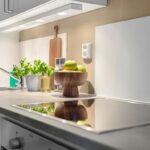
The Ultimate Glow: Integrated Lighting Design in Custom Cabinetry
We’ve all been there, fumbling in the dim light for that one ingredient or struggling to see what’s really in the back of the cabinet. It’s more than just an annoyance; it impacts how we use our kitchens. We believe that the right lighting design for kitchen cabinets can completely change how a space feels and functions. It’s not just about having a light bulb overhead; it’s about creating layers of light that make cooking easier, entertaining more inviting, and showcasing the beauty of your custom cabinetry. Let’s explore how we can bring your kitchen to life with thoughtful illumination.
Key Takeaways
- Integrated lighting for kitchen cabinets goes beyond basic overhead fixtures, transforming functionality into ambiance and improving task visibility.
- Under-cabinet LED strips are a primary solution for bright, shadow-free workspaces, making food preparation much easier.
- Accent lighting, such as in-cabinet displays and toe-kick illumination, adds visual interest and depth, turning cabinets into decorative features.
- Smart and tunable lighting systems offer customizable scenes and adapt to daily rhythms, providing control over the kitchen’s mood and atmosphere.
- Careful planning for wiring, finish selection, and the use of glass-front cabinets are vital for a cohesive and polished lighting design.
Illuminating Your Culinary Canvas: The Power of Integrated Cabinet Lighting
Beyond the Overhead Fixture: A New Era of Kitchen Illumination
We often think of kitchen lighting as just that one fixture in the ceiling. It gets the job done, sure, but it doesn’t really do much else. It casts a general light, and sometimes, depending on where you’re standing, it creates shadows right where you need to see clearly. Custom cabinetry, however, opens up a whole new world of possibilities. We’re talking about lighting that’s built right in, working with your cabinets to make your kitchen not just functional, but truly beautiful. It’s about moving past the basic and embracing a design that actively supports your activities while adding a touch of elegance.
Transforming Functionality into Ambiance
Think about your kitchen. It’s where you prepare meals, yes, but it’s also where you might catch up with family, help with homework, or simply enjoy a quiet cup of coffee. The right lighting can shift the entire feel of the space. We can use light to make tasks easier – like chopping vegetables without squinting – and then, with a simple adjustment, create a warm, inviting atmosphere for guests. It’s this ability to serve multiple purposes, to be both practical and mood-setting, that makes integrated lighting so special. It’s about making your kitchen work harder and feel better, all at once.
The Art of Layering Light in Custom Cabinetry
Creating that perfect kitchen glow isn’t about a single light source. It’s about combining different types of lighting, much like an artist layers colors on a canvas. We start with the basics, like bright task lighting under the cabinets to banish shadows. Then, we add layers for ambiance and visual interest. Consider subtle lights in the toe kick area that make cabinets appear to float, or soft uplighting above cabinets to draw the eye upward and make the room feel more spacious. Even lighting inside glass-front cabinets can turn your favorite dishes into a display. This thoughtful combination is what truly brings a custom kitchen to life.
- Task Lighting: Bright, direct light for work areas.
- Accent Lighting: Highlights specific features or objects.
- Ambient Lighting: Provides general illumination and sets the mood.
When we plan lighting for custom cabinetry, we’re not just thinking about brightness. We’re considering how the light interacts with the materials, how it guides the eye, and how it contributes to the overall feeling of the room. It’s a detailed process that makes a significant difference.
Foundational Illumination: Essential Task Lighting Solutions
When we think about lighting our kitchens, it’s easy to get caught up in the mood and ambiance. But before we create that cozy glow, we need to make sure the practicalities are covered. That’s where task lighting comes in. It’s the workhorse of your kitchen’s lighting plan, making sure you can see clearly and safely while you’re busy preparing meals or tackling other chores.
Under-Cabinet LED Strips: The Cornerstone of Workspace Brightness
For many of us, the area directly beneath our upper cabinets is where the real kitchen action happens. Chopping vegetables, measuring ingredients, reading recipes – it all takes place here. Traditional overhead lights often cast shadows right where you need the most light, making these tasks more difficult and potentially less safe. This is precisely why under-cabinet LED strips have become such a popular and effective solution. They provide a direct, consistent wash of light right onto your countertops. These strips are the unsung heroes of kitchen functionality. They are typically slim and discreet, easily hidden from direct view, so you get all the light without any glare.
Achieving Shadow-Free Countertops for Effortless Prep
Imagine a kitchen where every corner of your workspace is brightly and evenly lit. That’s the promise of well-designed task lighting. By placing lights directly under your cabinets, we can effectively eliminate the shadows cast by your upper cabinets and even your own body as you stand at the counter. This means you can see exactly what you’re doing, whether you’re mincing garlic or carefully decorating a cake. It makes the entire process smoother and more enjoyable. We find that homeowners often don’t realize how much better their kitchen feels until they experience this shadow-free illumination firsthand. It truly transforms the way you interact with your workspace.
Choosing the Right Brightness and Color Temperature for Tasks
Selecting the correct type of lighting for your task areas involves a couple of key decisions: brightness and color temperature. Brightness, often measured in lumens, dictates how much light is emitted. For task lighting, we generally aim for a higher level of brightness to ensure clarity. Color temperature, measured in Kelvin (K), describes the appearance of the light – from warm, yellowish tones to cool, bluish tones. For kitchen tasks, a neutral to cool white light (around 3500K to 4500K) is often preferred because it mimics natural daylight and makes colors appear more true. This helps with visual accuracy during food preparation. However, some prefer a slightly warmer tone, and with modern tunable systems, you can even adjust this to suit your preference or the time of day. It’s about finding that sweet spot where functionality meets comfort.
Here’s a quick look at common color temperatures:
| Color Temperature (Kelvin) | Appearance |
|---|---|
| 2700K – 3000K | Warm White |
| 3500K – 4000K | Neutral White |
| 4500K – 5000K | Cool White |
| 5000K – 6500K | Daylight |
When planning your task lighting, think about the specific activities you perform most often in each area. A well-lit workspace isn’t just about brightness; it’s about providing the right kind of light that supports your actions and makes your time in the kitchen more efficient and pleasant. We often recommend consulting with a lighting professional to get the perfect balance for your unique kitchen layout and needs, ensuring you get the best kitchen lighting possible.
Elevating Aesthetics: Accent and Ambiance Lighting Techniques
Beyond the practicalities of task lighting, we can use light to add personality and depth to our custom cabinetry. This is where accent and ambiance lighting come into play, transforming your kitchen from a mere workspace into a beautifully curated environment. Think of it as the jewelry for your cabinets – the finishing touches that truly make the design shine.
Showcasing Your Treasures: In-Cabinet Display Lighting
For those with beautiful glassware, cherished collections, or even just neatly organized pantry items, in-cabinet lighting is a game-changer. It turns the interior of your cabinets into a display case, adding a warm glow that can be enjoyed even when the main kitchen lights are off. This type of lighting creates a welcoming atmosphere, perfect for evening entertaining or simply enjoying the view.
- Placement: We often mount slim LED strips along the inside front edge of the cabinet, directing the light inward. Alternatively, small puck lights placed at the top of each section can provide a lovely wash.
- Color Temperature: A warm white (around 2700K to 3000K) usually works best for a cozy feel. However, a neutral white (3500K) can make items like white dishes or glassware look particularly crisp.
- Control: Connecting these lights to a separate switch or a smart system allows you to control them independently, preventing them from being left on accidentally and letting you set the mood.
The Subtle Drama of Toe-Kick Illumination
Toe-kick lighting is a sophisticated detail that adds a surprising amount of visual impact. By placing LED strips in the recessed space at the base of your lower cabinets, we cast a soft glow across the floor. This creates a beautiful “floating” effect, making the cabinetry feel lighter and more integrated into the room. It’s not just about looks, though; this gentle light is also incredibly practical for navigating the kitchen at night without needing bright overhead lights. It adds a layer of architectural interest and a touch of modern elegance to your kitchen design.
- Installation: We typically mount LED strips toward the front of the toe-kick recess, angled slightly down or out to spread light across the floor and avoid direct glare.
- Durability: Using IP65-rated LED strips is wise, as they offer protection against moisture and cleaning. This ensures the lighting remains functional and looks good.
- Color: A very warm white (2200K-2700K) is often preferred for this application, creating a soft, inviting glow that’s perfect for evening use.
Creating Depth with Above-Cabinet Accent Lighting
Often called uplighting, this technique involves placing lights on top of your upper cabinets to cast a gentle glow onto the ceiling. It uses the ceiling as a large reflector, creating soft, indirect ambient light that makes the entire kitchen feel more open and spacious. This is a wonderful way to add perceived height to a room and draw the eye upward, contributing to a more dramatic and elegant feel. It’s a fantastic way to fill in shadows and make the space feel warm and inviting.
- Positioning: LED strips or rope lights are usually placed a few inches from the back wall so the light spreads evenly across the ceiling.
- Ambiance: A warm white light (around 2700K) is ideal for creating a cozy atmosphere, especially in more traditional kitchen styles.
- Control: Dimmer switches are key here. They allow you to adjust the mood, from a subtle evening glow to brighter ambient support, making the lighting truly adaptable. We can also integrate these with smart controls for effortless adjustments.
These accent lighting techniques, when thoughtfully applied, work together to create a layered lighting scheme. They move beyond simple utility to add character, warmth, and a high-end finish to your custom cabinetry, making your kitchen a more enjoyable space to be in. Planning these details early is part of creating a truly harmonious lighting plan.
The Intelligence of Light: Smart and Tunable Systems
Seamless Integration with Home Automation
We’re moving beyond simple on-off switches. Today’s custom cabinetry can be a hub for sophisticated lighting control, linking directly with your home’s automation system. Imagine walking into your kitchen and having the lights adjust automatically, perhaps brightening to a task-ready level or dimming to a soft evening glow. This isn’t science fiction; it’s the reality of smart lighting. These systems connect wirelessly, allowing you to manage everything from a smartphone app or even with voice commands. It’s about making your kitchen lighting work for you, adapting to your routines and preferences without you having to lift a finger. For a deeper dive into integrating smart features into your cabinetry, our guide on smart kitchen features offers more ideas.
Customizable Scenes for Every Mood and Moment
Think of your lighting as a mood setter. With tunable systems, you can create specific ‘scenes’ for different activities. A bright, cool white light is perfect for chopping vegetables, making colors appear true and reducing eye strain. Then, with a tap or a voice command, you can switch to a warm, soft amber light for a relaxed dinner or entertaining guests. This flexibility means your kitchen can transform from a high-performance workspace to a cozy gathering spot in an instant. We can program settings like:
- Morning Prep: Crisp, bright light (around 4000K) to help you wake up and focus.
- Evening Relaxation: Warm, dim light (around 2700K) for a cozy atmosphere.
- Entertaining: A balanced, inviting glow that complements your decor.
- Movie Night: Very low, subtle accent lighting to avoid screen glare.
Adapting Light to Your Daily Rhythm and Wellness
Our bodies naturally respond to light. Tunable lighting systems can mimic the sun’s cycle, supporting your circadian rhythm. In the morning, cooler, brighter light can help you feel more alert. As the day progresses and evening approaches, the light can gradually shift to warmer, dimmer tones, signaling to your body that it’s time to wind down. This thoughtful approach to lighting doesn’t just make your kitchen look good; it can contribute to your overall well-being. It’s about creating an environment that feels right, all day long. The ability to adjust the light’s color temperature on a spectrum, from a cozy, warm amber to a crisp, cool white, makes it one of the most versatile kitchen cabinet lighting ideas for modern, multi-functional spaces. This advanced control elevates your kitchen from a purely functional space to an adaptable, responsive environment.
The true intelligence of modern lighting lies in its ability to be both highly functional and deeply personal. It’s about creating an atmosphere that supports your activities and enhances your well-being, all controlled with effortless ease.
Crafting the Perfect Glow: Design and Installation Considerations
When we think about integrating lighting into custom cabinetry, it’s not just about picking out some lights and sticking them in. It’s a whole process, really, and getting it right from the start makes all the difference. We want the final look to be polished, functional, and something you’ll love for years.
Planning for Seamless Wiring Integration
This is probably the most important step, and it happens before any cabinets are even built. Thinking about where the wires will go is key. We need to make sure there are channels or access points built into the cabinetry itself so that the wiring isn’t visible later. It’s about making the technology disappear so only the light shows. This planning prevents headaches down the road and keeps the clean lines of your custom cabinets intact. For a truly integrated look, consider how smart home systems can manage these connections.
Selecting Finishes That Enhance Illumination
The materials and finishes we choose for your cabinets play a big role in how the light behaves. For instance, a matte finish might absorb light, while a high-gloss surface will reflect it, potentially creating more glare. We often recommend specific finishes that work well with lighting. For example, lighter wood tones or painted finishes can help bounce light around, making the space feel brighter and more open. It’s a subtle detail, but it matters a lot for the overall effect.
The Role of Glass-Front Cabinets in Lighting Design
Glass-front cabinets are a fantastic opportunity to really make your lighting shine, literally. When we put lights inside these cabinets, we’re not just illuminating the shelves; we’re creating a display. The trick is to get the placement and brightness just right so that your items are showcased beautifully without being harsh. We usually aim for a soft, even glow. Think about how you want your favorite dishes or decorative items to look – that’s what we’re designing for. It adds a layer of sophistication and turns your cabinets into a feature.
- Placement: We typically mount LED strips along the inside front edge of the cabinet, pointing inward, for an even wash. Alternatively, small puck lights at the top can work well.
- Color Temperature: A warm white (around 2700K-3000K) often creates a cozy feel, but a neutral white (3500K) can make items look very crisp.
- Control: Having a separate switch or smart control means you can turn this display lighting on or off independently, adding to the ambiance when needed.
When planning your kitchen layout, remember that lighting is an integral part of the design, not an add-on. Considering these elements early on will lead to a more cohesive and beautiful result, much like planning your kitchen cabinet layout from the start.
We find that a thoughtful approach to these design and installation details is what truly separates custom cabinetry with integrated lighting from standard solutions. It’s about creating a harmonious blend where function and beauty work together perfectly.
Beyond the Kitchen: Expanding Integrated Lighting’s Reach
While we often focus on the kitchen, the transformative power of integrated lighting extends far beyond this central hub of the home. We find that homeowners are increasingly looking to bring this sophisticated illumination into other areas, creating a cohesive and thoughtfully lit environment throughout their residences.
Illuminating Laundry Rooms and Home Offices
Think about your laundry room. It’s a space where tasks like folding clothes, sorting, and treating stains demand good visibility. Integrated lighting, perhaps in the form of subtle LED strips under shelves or along the base of cabinets, provides that much-needed task illumination without overwhelming the space. It makes the mundane feel a bit more pleasant. Similarly, in a home office, well-placed lighting can reduce eye strain during long work sessions. We can integrate lighting into bookshelves or desk areas to create a focused yet comfortable workspace. This thoughtful application turns functional rooms into more enjoyable and productive environments.
Creating Serene Atmospheres in Bathrooms
Bathrooms are increasingly becoming personal sanctuaries, and lighting plays a key role in this transformation. Beyond the practical need for bright vanity lighting, consider the ambiance. Recessed lighting in toe kicks can provide a gentle, guiding light at night, offering a sense of safety without harsh glare. In-cabinet lighting, especially behind frosted glass or within medicine cabinets, can add a soft glow, turning a functional space into a spa-like retreat. We can help you achieve a balance that supports both daily routines and moments of relaxation, making your bathroom a true escape. This approach to bathroom lighting is a key part of creating exceptional spaces [7b92].
Adding Sophistication to Home Bars and Entertainment Spaces
For those who love to entertain, a home bar or entertainment area is the perfect canvas for integrated lighting. Imagine subtle lighting within glass-front cabinets, showcasing your collection of spirits and glassware. We can also install accent lighting above cabinets to wash the ceiling with a soft glow, creating a warm and inviting atmosphere for guests. Even under the counter or along the bar front, integrated LEDs can add a touch of modern flair and provide just enough light for mixing drinks. It’s about creating a mood, a sophisticated backdrop for socializing and enjoying time with friends and family. Integrating smart home features here can also make your entertainment hub truly connected [a9d4].
The Evolution of Cabinet Illumination: Embracing Innovation
The Enduring Appeal of LED Technology
When we first started thinking about integrated lighting, the options felt a bit limited. We remember when fluorescent tubes were the go-to for under-cabinet brightness. They did the job, offering a decent amount of light and being more efficient than older bulbs, but they weren’t exactly subtle or sophisticated. The real game-changer, of course, has been the rise of LED technology. It’s hard to overstate how much LEDs have transformed what’s possible in cabinet lighting. Their energy efficiency is remarkable, meaning you get beautiful light without a huge jump in your electricity bill. Plus, they last for ages, so you’re not constantly thinking about replacements. This longevity and efficiency make them a smart, long-term investment for any homeowner who appreciates quality [43d6].
Exploring Advanced Fixture Types and Features
Today, the variety of LED fixtures available is astounding. We’re not just talking about simple strips anymore. We can now get incredibly slim profiles that disappear into cabinetry, tiny puck lights for focused accenting, and even linear panels that provide a perfectly uniform glow. Many of these fixtures offer features that were unthinkable just a decade ago. Dimmability is practically standard, allowing us to fine-tune the brightness for any task or mood. We’re also seeing more options for adjustable color temperature, letting us shift from a crisp, cool light for food prep to a warm, inviting glow for evening relaxation. Some systems even allow for directional lighting, so we can precisely highlight specific items on display [f2c8].
The Future of Customizable and Responsive Lighting
The most exciting developments, however, are in how lighting is becoming more intelligent and responsive. We’re moving beyond simple on-off switches. Think about systems that can be programmed to adjust automatically throughout the day, mimicking natural light patterns to support our well-being. Imagine walking into your kitchen in the morning and the lights gently brighten with a cool tone, and then in the evening, they soften to a warm, ambient hue. Smart home integration means we can control these lights with voice commands or through an app, creating custom scenes for entertaining, cooking, or simply unwinding. This level of control and adaptability is truly shaping the future of how we experience our homes [2b79].
The continuous innovation in lighting technology means that what was once a luxury is now an accessible way to add both significant function and high-end style to your cabinetry. We are constantly impressed by the new possibilities that emerge, allowing us to craft truly personalized lighting experiences.
A Harmonious Blend: Functionality Meets High-End Design
We often talk about how custom cabinetry is the backbone of a well-designed home, and when we integrate lighting into that cabinetry, it truly becomes the heart. It’s not just about having lights; it’s about how those lights work with the cabinets to create a space that feels both incredibly practical and wonderfully sophisticated. Think of your cabinets not just as storage, but as a canvas. When we get the lighting right, we’re painting a picture of functionality and high-end design that you’ll enjoy every single day.
The Cabinet as a Canvas for Light
When we approach custom cabinetry, we see it as an opportunity to do more than just store things. We see it as a chance to build in features that make your life easier and your home more beautiful. Integrated lighting is a prime example of this. Instead of adding lamps or relying solely on overhead lights, we embed lighting directly into the cabinetry itself. This means we can place light exactly where you need it, whether that’s illuminating a dark corner of a pantry or creating a soft glow on your favorite display items. It’s about making the cabinets work harder for you, transforming them from simple storage units into dynamic elements of your home’s design. This thoughtful approach is a hallmark of luxury kitchen cabinetry.
Achieving a Polished and Professional Aesthetic
One of the biggest benefits of integrated lighting is the clean, polished look it provides. You won’t see messy wires or bulky fixtures. Instead, you get a smooth, continuous light that feels intentional and refined. This is especially true when we use techniques like under-cabinet lighting to banish shadows from your countertops, making food prep a much more pleasant experience. We can also use subtle lighting in toe kicks or above cabinets to add depth and visual interest, making your kitchen feel more spacious and inviting. It’s this attention to detail that really sets a custom-designed space apart, creating a look that feels both current and timeless. It’s about creating custom cabinetry that truly enhances your living space.
The Value of Expert Consultation in Lighting Design
Getting integrated lighting right isn’t always straightforward. It involves understanding the interplay of light, shadow, and space, as well as the technical aspects of wiring and fixture placement. That’s where our experience comes in. We work with you to understand your needs and your style, then translate that into a lighting plan that complements your cabinetry perfectly. We consider:
- Task Areas: Where do you spend the most time preparing food or working?
- Display Zones: What items do you want to highlight?
- Ambiance Goals: What kind of mood do you want to create in the evening?
A well-executed lighting plan is more than just functional; it’s an art form that transforms the ordinary into the extraordinary. It’s about creating an atmosphere that supports your lifestyle and reflects your personal taste. We believe that the right lighting can make all the difference in how you experience your home.
By carefully planning and selecting the right fixtures, we can create a lighting scheme that is both beautiful and highly practical. It’s this blend of thoughtful design and technical skill that results in cabinetry that doesn’t just look good, but truly performs.
Our spaces should be both beautiful and useful. We create designs that look amazing and work perfectly for your everyday life. Ready to see how we can make your home shine? Visit our website to get a free estimate!
Bringing It All Together: Your Illuminated Space
As we’ve seen, integrating lighting into custom cabinetry is more than just adding a few lights; it’s about creating a whole new experience in your home. It makes tasks easier, highlights the beauty of your cabinets, and sets the perfect mood for any occasion. We’ve talked about everything from practical under-cabinet lights for cooking to subtle toe-kick lighting that makes a room feel bigger. Thinking about these details from the start, when you’re planning your cabinets, makes all the difference. It means the wiring is hidden, the lights work perfectly with the design, and you get a look that’s both polished and functional. We truly believe that well-designed lighting can transform any space, making it more enjoyable and useful every single day. It’s an investment that pays off in both beauty and everyday convenience.
Frequently Asked Questions
Why should we think about putting lights inside our cabinets?
Putting lights inside cabinets is a fantastic way to make your kitchen look better and work better. It helps us see what’s inside clearly, making it easier to find things. Plus, it makes your nice dishes and glasses look really cool, like a special display.
What’s the difference between task lighting and accent lighting for cabinets?
Task lighting is all about making it bright enough to do work, like chopping veggies. Think of the lights under your cabinets that shine on the counter. Accent lighting is more about looks; it highlights things inside the cabinets or creates a soft glow, like lights under the cabinets or in the toe kick area to make them look like they’re floating.
Are LED lights the best choice for cabinet lighting?
Yes, LEDs are usually the best choice. They don’t use much electricity, they last a very long time, and they don’t get super hot, which is safer for cabinets. We can also choose different colors and brightness levels with LEDs.
How do we hide the wires for cabinet lights?
Hiding the wires is super important for a clean look. We plan this from the start. We can run wires through special channels inside the cabinets or hide them behind panels. For new cabinets, we can even drill holes or cut grooves to tuck them away neatly.
Can we control the cabinet lights with our phones or smart home systems?
Absolutely! Many modern cabinet lighting systems can connect to smart home devices. This means we can control them with voice commands, an app on your phone, or even set up different ‘scenes’ for movie night or dinner parties. It’s all about making your kitchen work for you.
What color light is best for kitchen cabinets?
It depends on what you want! For general work, a bright, clean white light is good. If you want a cozy, relaxing feel, a warmer, yellowish light works well. We can even get lights that let you change the color temperature to match your mood or the time of day.
Do we need special cabinets to have lights installed?
Not always! While some lights work best in new, custom cabinets where we can hide wires easily, there are options for existing cabinets too. Lights that stick on or use battery power can be installed without major changes. For the best look, though, planning lights when getting new cabinets is ideal.
How much does it usually cost to add lights to cabinets?
The cost can change a lot based on what kind of lights you choose, how many cabinets you want to light up, and if we’re installing them in new or existing cabinets. Simple LED strips under cabinets are usually less expensive than fancy in-cabinet lighting with smart controls. We can give you a better idea after we talk about your specific needs.