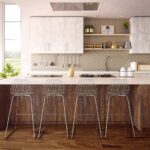
Achieving Serenity: Your Guide to Minimalist Kitchen Design
Want a kitchen that feels calm and looks great? Then a minimalist kitchen design might be for you. It’s all about keeping things simple, clean, and super functional. This guide will walk you through how to get that peaceful, organized kitchen space, focusing on what really matters and getting rid of the rest. We’ll cover everything from getting rid of clutter to picking the right stuff, all so your kitchen can be a place you actually enjoy being in.
Key Takeaways
- A minimalist kitchen design means less stuff and more calm. It’s about making your kitchen work for you, not the other way around.
- To get started, you really need to clear out the things you don’t use. This makes space and helps you see what’s truly important.
- When picking out appliances and other kitchen items, think about quality and how well they blend in. You want things that do a good job without standing out too much.
- Smart storage is a big deal in a minimalist kitchen. Hidden spots and using all your space helps keep things tidy and out of sight.
- Keeping your minimalist kitchen looking good means having some simple daily habits. Quick clean-ups and regular checks on your stuff will keep it feeling fresh.
The Minimalist Mindset
Embracing Simplicity and Functionality
At its heart, a minimalist kitchen is all about simplicity. It’s about stripping away the excess and focusing on what truly matters: functionality and ease of use. Every item should have a purpose, and the overall design should promote efficiency. Think clean lines, uncluttered surfaces, and a space that feels both inviting and practical. It’s not just about aesthetics; it’s about creating a kitchen that supports your cooking and lifestyle without overwhelming you. This approach extends beyond the kitchen itself, influencing how you approach minimalist living in other areas of your home.
Letting Go of Unnecessary Extras
One of the biggest hurdles in achieving a minimalist kitchen is decluttering. It’s about being honest with yourself about what you actually use and what’s just taking up space. This can be a surprisingly liberating process. Consider these points:
- Start by emptying your cabinets and drawers.
- Sort items into categories: keep, donate, discard.
- Be ruthless! If you haven’t used it in six months, it’s probably time to let it go.
Letting go of unnecessary extras isn’t just about physical space; it’s about mental space too. A cluttered kitchen can lead to a cluttered mind, making cooking and meal prep feel more stressful than enjoyable. By simplifying your surroundings, you create a sense of calm and control.
The Impact of Minimalist Kitchen Design on Well-Being
Beyond the aesthetic appeal, a minimalist kitchen can have a profound impact on your overall well-being. A clean, organized space reduces stress and anxiety, making cooking a more enjoyable experience. It also encourages mindful consumption, as you’re more likely to appreciate the items you do have. Plus, with less clutter to clean, you’ll have more time to focus on what truly matters: spending time with loved ones and enjoying delicious meals. A well-designed minimalist kitchen promotes a sense of calm and allows the focus to remain on the joy of cooking and sharing meals. It’s about creating a space that supports a healthier, more balanced lifestyle. The focus on kitchen design can really change your life.
Key Elements of Minimalist Kitchen Design
A minimalist kitchen isn’t just about looking good; it’s about creating a space that promotes calm and efficiency. It’s about carefully considering each element and ensuring it serves a purpose. Let’s explore the key elements that define this design philosophy.
Clean Lines and Uncluttered Surfaces
The foundation of any minimalist kitchen is clean, straight lines and surfaces free from clutter. Think simple cabinet designs, countertops with minimal items, and an overall sense of spaciousness. It’s about creating a visual break and allowing the eye to rest. This doesn’t mean the kitchen has to be sterile; it simply means being intentional about what you display and keeping everything else neatly tucked away. A modern minimalist kitchens design is all about simplicity.
Monochromatic Color Schemes and Subtle Textures
Minimalist kitchens often embrace a limited color palette, typically revolving around neutral tones like white, gray, and beige. This creates a sense of harmony and tranquility. However, that doesn’t mean the space has to be boring! Subtle textures can add depth and interest without disrupting the overall minimalist aesthetic. Think about using different materials like wood, stone, or metal to introduce texture and visual interest.
Functionality and Efficiency in Layout and Storage
Beyond aesthetics, a minimalist kitchen must be highly functional. This means an efficient layout that optimizes movement and tasks, smart storage solutions that keep everything in its place, and appliances that offer maximum utility without unnecessary complexity. Consider the flow of your kitchen and how you use it. Design the space to minimize steps and maximize efficiency. Think about incorporating features like pull-out shelves, drawer organizers, and hidden storage to keep clutter at bay.
A minimalist kitchen is more than just a style; it’s a way of life. It’s about simplifying your surroundings to create a space that is both beautiful and functional, promoting a sense of calm and well-being.
Decluttering Your Kitchen Space
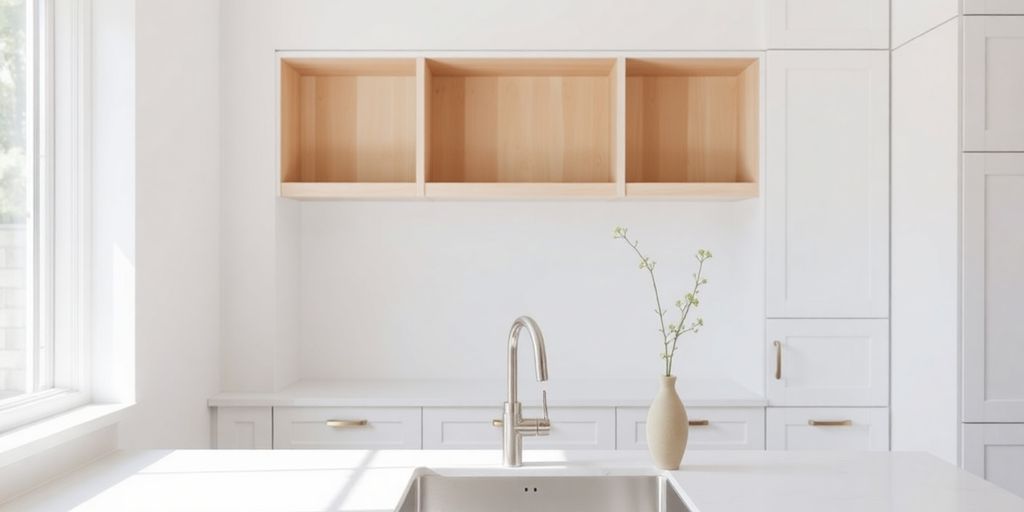
Decluttering is the first, and maybe the most important, step in creating a minimalist kitchen. It’s not just about looks; it’s about making your kitchen more functional and enjoyable to use. It’s about getting rid of the excess and only keeping what you truly need and love.
Tips for Reducing Kitchen Items to Essentials
Okay, so where do you even start? It can feel overwhelming, but here’s a simple approach:
- Empty everything out. Seriously, take everything out of your cabinets and drawers. This gives you a clear view of what you have.
- Sort ruthlessly. Touch each item and ask yourself: When was the last time I used this? Do I really need it? Does it bring me joy (Marie Kondo style)? If the answer is no to most of these, it’s time to let it go.
- Be honest with yourself. Don’t keep things “just in case.” If you haven’t used that fondue set in five years, chances are you won’t use it ever. Donate or sell it.
- Focus on duplicates. Do you really need three spatulas? Probably not. Keep your favorite and donate the rest.
- Consider storage space. If something is taking up too much space for how often you use it, it might be time to say goodbye. Think about smart storage solutions to help with this.
Organizing for a Minimalist Kitchen Design
Once you’ve decluttered, it’s time to organize what’s left. This is where you create a system that works for you and helps you maintain a minimalist aesthetic.
- Group like items together. Store all your baking supplies in one area, your cooking utensils in another, and so on. This makes it easier to find what you need and prevents clutter.
- Use drawer dividers and organizers. These are game-changers for keeping drawers tidy. No more digging through a jumbled mess of utensils!
- Maximize vertical space. Use shelves or risers inside cabinets to create more storage space. This is especially helpful for plates, bowls, and spices.
- Keep countertops clear. This is key to a minimalist kitchen. Only keep a few essential items on your countertops, like a knife block or a coffee maker. Everything else should have a designated place in a cabinet or drawer.
Creating a Clutter-Free Countertop
Countertops are prime real estate in a kitchen, and in a minimalist kitchen, they should be as clear as possible. This not only looks good but also makes it easier to prep food and cook.
- Designate a “landing zone.” This is a small area where you can temporarily place items when you come into the kitchen. This prevents clutter from accumulating all over the countertops.
- Put things away immediately. Don’t let dishes pile up in the sink or ingredients sit out on the counter. Wash dishes after each meal and put ingredients away as soon as you’re done using them.
- Use wall-mounted storage. Consider installing shelves or hooks to store items like utensils, pots, and pans. This frees up valuable countertop space.
- Hide small appliances. If you don’t use an appliance every day, store it in a cabinet or pantry. This keeps your countertops clear and uncluttered.
Decluttering isn’t a one-time thing. It’s an ongoing process. Make it a habit to regularly assess your kitchen items and get rid of anything you no longer need or use. This will help you maintain a minimalist kitchen and enjoy a more peaceful and functional cooking space.
Choosing the Right Appliances and Fixtures
In a minimalist kitchen, the appliances and fixtures you pick are super important. They need to look good with the minimalist vibe, but also be useful and not take up too much space. It’s all about finding that sweet spot where form meets function.
Selecting Sleek, High-Functioning Appliances That Blend with the Design
When you’re going for a minimalist kitchen, think about appliances with simple designs. Look for clean lines and easy-to-use controls. Built-in appliances are great because they can hide right into your cabinets, making everything look smooth. Picking one finish, like stainless steel, can really tie the room together. It’s about making sure everything looks like it belongs.
Importance of Quality over Quantity in a Minimalist Setup
In a minimalist kitchen, every item needs to earn its keep. That means you should get high-quality appliances that will last and can do a lot of different things. A good blender, for example, can replace a bunch of smaller gadgets. Think about it this way:
- Fewer items mean less clutter.
- Quality items last longer, saving you money in the long run.
- Multi-functional appliances save space.
Choosing quality over quantity is a core principle of minimalism. It’s about investing in pieces that will stand the test of time and serve multiple purposes, rather than accumulating a collection of cheap, single-use items.
Integrating Smart Technology Seamlessly
Smart tech can be a great addition to a minimalist kitchen, but it needs to blend in. Think about appliances with hidden displays or voice control. The goal is to make your kitchen smarter without adding more clutter. For example, a sleek induction cooktop with integrated controls can be both functional and visually appealing. It’s about finding tech that makes your life easier without sacrificing the minimalist aesthetic.
Smart Storage Solutions for Minimalist Kitchen Design
Minimalist kitchens are all about simplicity and efficiency, and that extends to how you store everything. It’s not just about having less stuff, but also about making the most of the space you do have. Let’s face it, a cluttered kitchen defeats the whole purpose of a minimalist design.
Maximizing Cabinet and Drawer Space
Okay, so you’ve decluttered, but now what? It’s time to get strategic with your cabinets and drawers. Think about using dividers, pull-out shelves, and organizers to keep everything in its place. I recently installed some drawer dividers for my utensils, and it’s a game-changer. No more digging through a jumbled mess to find a spatula! Also, consider the height of your shelves. Adjustable shelves are great because you can customize them to fit your specific items, avoiding wasted vertical space.
Here are some ideas to consider:
- Drawer Dividers: Keep utensils, cutlery, and tools neatly separated.
- Pull-Out Shelves: Easy access to items stored at the back of cabinets.
- Adjustable Shelves: Customize shelf height to maximize vertical space.
Utilizing Vertical Storage and Wall Space
Don’t forget about the walls! Vertical space is your friend in a minimalist kitchen. Think about installing open shelving for frequently used items like dishes or glasses. Just be mindful not to overcrowd them – remember, less is more! You could also use a minimalist kitchen design with a magnetic knife strip to keep knives off the counter, or a hanging rack for pots and pans. These solutions not only save space but also add a touch of visual interest to your kitchen.
Hidden Storage for a Seamless Look
This is where things get really clever. Hidden storage is all about creating a clean, uncluttered look by concealing items when they’re not in use. Think about cabinets with push-to-open mechanisms, appliance garages to hide small appliances, or even a hidden pantry. The goal is to minimize visual clutter and create a sense of calm in your kitchen. I’ve seen some amazing examples of sleek, high-functioning appliances that blend seamlessly into the cabinetry, making them practically invisible when not in use.
Investing in smart storage solutions is key to maintaining a minimalist kitchen. It’s not just about aesthetics; it’s about creating a functional and efficient space that makes cooking and cleaning a breeze. By maximizing cabinet and drawer space, utilizing vertical storage, and incorporating hidden storage, you can achieve a seamless and clutter-free look that will enhance your overall well-being.
Color Palettes and Materials in Minimalist Kitchen Design
Embracing Neutral Tones for Serenity
When it comes to minimalist kitchens, color is key, but not in the way you might think. Forget bold and bright; we’re talking about embracing the calm and collected world of neutral tones. Think whites, grays, beiges, and soft wood tones. These colors create a sense of spaciousness and tranquility, making your kitchen feel like a peaceful retreat. It’s all about creating a backdrop that allows the clean lines and simple forms to really shine. I remember when my sister repainted her kitchen a light gray; it instantly felt bigger and less cluttered, even though she didn’t change anything else!
Selecting Durable and Sustainable Materials
Minimalism isn’t just about looks; it’s also about making smart choices that last. When choosing materials for your minimalist kitchen, prioritize durability and sustainability. Think about materials like:
- Quartz: Super durable and easy to clean, plus it comes in a ton of neutral colors.
- Stainless Steel: A classic for appliances and sinks, it’s sleek and long-lasting.
- Reclaimed Wood: Adds warmth and character while being eco-friendly. I saw a kitchen once that used reclaimed wood for the island, and it was stunning.
- Concrete: For floors or countertops, it offers a modern, industrial vibe and is incredibly durable.
Choosing materials that are both beautiful and good for the environment is a win-win. It’s about investing in quality pieces that will stand the test of time, reducing the need for replacements and minimizing waste. Plus, knowing you’ve made sustainable choices just feels good.
Adding Warmth with Natural Elements
While minimalism often leans towards cool tones and sleek surfaces, it’s important to add warmth to prevent your kitchen from feeling sterile. Natural elements are perfect for this. Consider incorporating:
- Wood Accents: A wooden countertop, cutting board, or even just wooden utensils can add a touch of warmth.
- Plants: A few strategically placed plants can bring life and color into the space. Greenery adds a natural touch.
- Natural Stone: A stone backsplash or countertop can add texture and visual interest.
I’ve found that even something as simple as a wooden bowl filled with fruit can make a big difference in making a minimalist kitchen feel more inviting. It’s all about finding the right balance between simplicity and warmth.
Lighting and Ambiance in Minimalist Kitchen Design
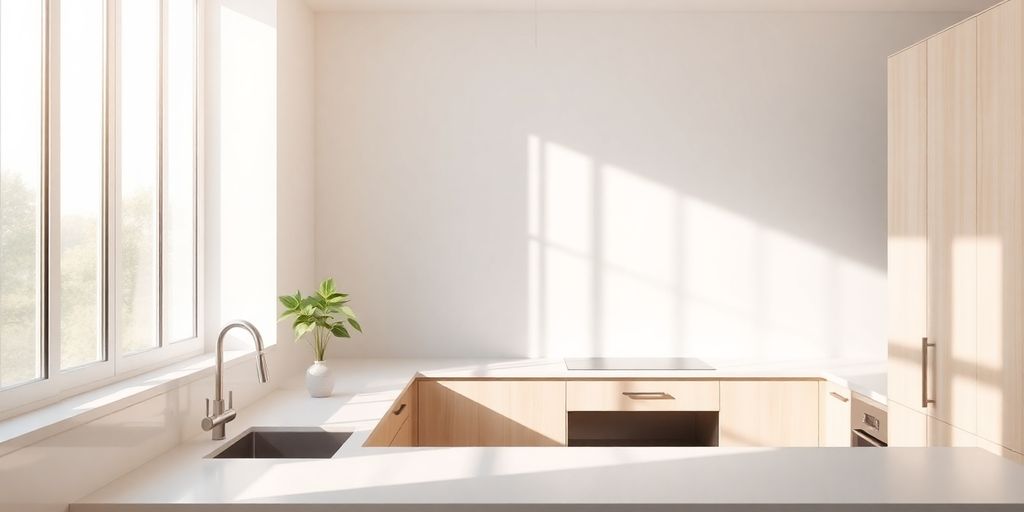
Lighting is super important in any kitchen, but especially in a minimalist one. It’s not just about seeing what you’re doing; it’s about setting the mood. Think about how you want your kitchen to feel – calm, bright, cozy? The right lighting can make all the difference.
Optimizing Natural Light
First things first, let’s talk about natural light. Maximize it whenever possible. Open those blinds, sheer curtains, or even consider adding a window if you’re renovating. Natural light makes a space feel bigger and more inviting. Plus, it’s free! If you’re lucky enough to have a kitchen with great natural light, design around it. Position your work areas to take advantage of the sun’s rays.
Strategic Use of Artificial Lighting
Okay, so we can’t always rely on the sun. That’s where artificial lighting comes in. But in a minimalist kitchen, you want to be smart about it. Think layers of light:
- Task lighting: Under-cabinet lights are a must for prepping food. Pendant lights over the island are both functional and stylish. Recessed lighting is great for general illumination.
- Ambient lighting: This is your overall light source. Dimmers are your friend here! You can adjust the brightness depending on the time of day or your mood.
- Accent lighting: Maybe a small spotlight on a piece of art or a plant. It’s all about adding subtle touches.
Creating a Calming Atmosphere
Ultimately, the goal is to create a kitchen that feels peaceful and inviting. Here are a few tips:
- Warm light bulbs: Avoid harsh, cool tones. Warmer light makes everything feel cozier.
- Dimmers: Seriously, get dimmers. They’re a game-changer.
- Minimalist fixtures: Choose light fixtures that are simple and understated. No need for anything too flashy.
Think about how light interacts with the materials in your kitchen. A glossy countertop will reflect light differently than a matte one. Experiment with different combinations to find what works best for you. Don’t be afraid to play around with different light temperatures and intensities to achieve the perfect balance. It’s all about creating a space that feels good to you.
Maintaining Your Minimalist Kitchen Design
So, you’ve achieved that sleek, minimalist kitchen you’ve been dreaming of. Awesome! But the real challenge? Keeping it that way. It’s not a one-time thing; it’s about building habits and making conscious choices. Think of it as a lifestyle, not just a design project. A minimalist kitchen design promotes a lifestyle that reduces excess and emphasizes intentionality.
Daily Habits for Keeping Your Minimalist Kitchen Pristine
The key to a lasting minimalist kitchen is consistency. It’s about those small, daily actions that prevent clutter from creeping back in.
- Wash dishes immediately after use. Don’t let them pile up! A clean sink is a happy sink (and a happy minimalist kitchen).
- Put ingredients away as soon as you’re done cooking. No lingering spice jars or open bags of flour.
- Wipe down surfaces every night. A quick wipe can prevent spills from becoming stains and keep things looking fresh.
Seasonal Decluttering and Thoughtful Acquisitions
Okay, so you’re doing the daily stuff. Great! But life happens, and things accumulate. That’s where seasonal decluttering comes in. It’s like a reset button for your kitchen.
- Go through your cabinets and drawers every few months. Be honest with yourself: do you really need that panini press you used once?
- When considering new purchases, ask yourself: does this serve a clear purpose? Will it replace something I already have? Is it worth the space it will take up?
- Donate or sell items you no longer need. Don’t let them sit around collecting dust.
Maintaining a minimalist kitchen is not just about aesthetics; it’s about creating a functional and calming space. It’s about being intentional with what you bring into your home and letting go of what no longer serves you. It’s about creating a space that supports your well-being.
Long-Term Strategies for a Lasting Minimalist Aesthetic
This is where you really solidify your minimalist commitment. It’s about making choices that support your minimalist lifestyle in the long run. Think about the big picture.
- Invest in quality over quantity. Choose durable, well-made items that will last for years, rather than cheap, trendy items that you’ll replace in a few months. Consider sleek, high-functioning appliances.
- Be mindful of trends. Just because something is popular doesn’t mean you need it. Stick to classic, timeless designs that won’t go out of style.
- Continuously evaluate your needs. As your life changes, your kitchen needs may change too. Be willing to adapt and adjust your minimalist approach as needed.
Conclusion
So, that’s pretty much it! Getting your kitchen to be minimalist isn’t just about making it look nice; it’s really about making your daily life a bit calmer. We’ve gone over how to get rid of stuff you don’t need, pick out the right appliances, and keep things tidy. It’s all about making your kitchen a place where you can actually relax and enjoy cooking, instead of feeling stressed out by clutter. It might take a little effort at first, but trust me, having a simple, clean kitchen can make a big difference in how you feel every day. It’s a pretty cool way to live, if you ask me.
Frequently Asked Questions
What exactly is a minimalist kitchen?
A minimalist kitchen focuses on keeping things simple, clean, and useful. It means getting rid of stuff you don’t really need and making sure everything has a purpose. The goal is to create a calm and tidy space.
How does a minimalist kitchen affect how I feel?
It helps a lot! A clean, uncluttered kitchen can make you feel less stressed and more peaceful. When your space is organized, it’s easier to focus and enjoy cooking, making your daily life smoother.
Where should I begin with decluttering my kitchen?
Start by looking at everything you have and decide what you truly use. Get rid of duplicates or things you haven’t touched in a long time. Think about what’s essential for your cooking habits.
What kind of appliances work best in a minimalist kitchen?
Choose appliances that look sleek and simple, and that fit well into your cabinets. Focus on getting good quality items that do many jobs, instead of many single-use gadgets. Smart tech that hides away is also a good idea.
What colors and materials should I use?
Use light, neutral colors like white, gray, or beige to make the space feel open and calm. You can add warmth with natural materials like wood or stone. The idea is to keep the look simple and elegant.
How do I keep my minimalist kitchen looking good over time?
Keep up with daily habits like washing dishes right away and wiping down counters. Every few months, go through your items again to see if anything can be removed. Only buy new things if they are truly needed and fit your simple style.