Unveiling the Serenity of Modern Japanese Kitchen Design
Unveiling the Serenity of Modern Japanese Kitchen Design
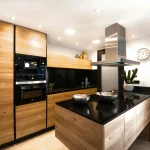
Modern Japanese kitchen design is all about making a calm and useful space. It takes cues from traditional Japanese ideas, focusing on simple beauty and natural elements. Think clean lines, open areas, and a feeling of peace. This approach helps create kitchens that are not just places to cook, but also relaxing parts of your home. It’s about finding balance and making every part of the kitchen work well and look good.
Key Takeaways
- Keep things simple and clear to make your kitchen feel peaceful.
- Use natural materials like wood and stone to add warmth and texture.
- Stick to light, calm colors for a quiet and open feel.
- Plan your kitchen layout to make cooking easy and save space.
- Use both natural and artificial light to set the right mood.
Embracing Minimalist Aesthetics
Japanese kitchen design really leans into the idea of minimalism. It’s not just about making things look good; it’s about creating a sense of calm and order. Think of it as a way to clear your mind as much as your countertops. It’s about keeping only what you need and making sure everything has its place. This approach can transform your kitchen into a peaceful and functional space.
The Philosophy of Less Is More
The core of minimalist design is the idea that less is more. It’s about stripping away the unnecessary and focusing on what truly matters. In a kitchen, this means reducing clutter, choosing simple designs, and prioritizing functionality. It’s not about having the latest gadgets or the most expensive materials; it’s about creating a space that is both beautiful and practical. The goal is to create a kitchen that feels open, airy, and inviting. Japanese interior design really embodies this.
Decluttering for Serenity
Decluttering is a big part of achieving a minimalist kitchen. Start by getting rid of anything you don’t use regularly. This could be old appliances, extra dishes, or even just decorative items that don’t serve a purpose. Once you’ve decluttered, focus on organizing what’s left. Use storage containers, drawer dividers, and other organizational tools to keep everything in its place. The key is to make it easy to put things away so that clutter doesn’t accumulate.
Here are some decluttering tips:
- Start with one area at a time.
- Be ruthless about getting rid of things you don’t need.
- Find a place for everything.
- Make it easy to put things away.
Clean Lines and Open Spaces
Clean lines and open spaces are essential elements of minimalist kitchen design. Choose cabinets, countertops, and appliances with simple, streamlined designs. Avoid ornate details or excessive decoration. Keep the layout open and airy, allowing for easy movement and a sense of spaciousness. This can be achieved by using fewer upper cabinets, opting for open shelving, or incorporating a kitchen island. The goal is to create a kitchen that feels uncluttered and inviting. Reducing visual clutter is key to achieving this.
A minimalist kitchen is more than just a style; it’s a way of life. It’s about simplifying your surroundings to create a space that is both functional and peaceful. By embracing the principles of less is more, decluttering, and clean lines, you can transform your kitchen into a sanctuary.
Incorporating Natural Materials

The Warmth of Wood Tones
Wood is a cornerstone of Japanese design, bringing a sense of calm and connection to nature. It’s not just about using wood, but about showcasing its natural grain and texture. Think about using pale wood furniture to create a simple and functional dining area. Lighter woods like oak and maple are popular choices, creating a bright and airy feel. Darker woods can be used as accents, but be careful not to overwhelm the space.
Stone and Sintered Surfaces
Stone elements introduce a grounding effect, contrasting beautifully with the warmth of wood. Consider using stone for countertops or flooring to add a touch of elegance and durability. Sintered stone, which mimics the look of natural stone, is also a great option. It’s durable, easy to clean, and comes in a variety of colors and textures.
Bamboo Accents in Design
Bamboo is a versatile material that can be used in a variety of ways. It’s lightweight, strong, and adds a touch of natural beauty to any space. You can use bamboo for blinds, screens, or even as a decorative element. Bamboo accents can bring a unique touch to your kitchen. It’s also an eco-friendly option, as bamboo is a rapidly renewable resource.
Natural materials are key to achieving a serene and inviting Japanese kitchen. By incorporating wood, stone, and bamboo, you can create a space that is both beautiful and functional.
Here are some ways to incorporate natural materials:
- Use wooden cutting boards and utensils.
- Add a stone mortar and pestle to your countertop.
- Display bamboo plants in decorative pots.
Harmonizing Color Palettes
Color is super important in creating that serene Japanese kitchen vibe. It’s not just about picking pretty colors; it’s about creating a feeling of calm and balance. Think of it as setting the mood for the whole space.
Neutral Tones for Tranquility
Neutral colors are the foundation of a modern Japanese kitchen. They create a sense of peace and openness. Think whites, off-whites, beiges, and light grays. These colors reflect light well, making the kitchen feel brighter and more spacious. It’s like a breath of fresh air every time you walk in. You can find inspiration for bathroom colour ideas online.
Subtle Variations in White and Beige
Don’t think neutral has to be boring! There are tons of subtle variations you can play with. Different shades of white, from creamy to cool, can add depth and interest. The same goes for beige – think sandy tones versus warmer, almost tan shades. Layering these subtle differences creates a sophisticated and calming effect. It’s all about finding the right balance and avoiding anything too harsh or jarring. Choosing the right colors for kitchen cabinets is key to achieving this balance.
Strategic Use of Black and Grey
Black and grey can be used to add contrast and definition to a neutral color scheme. A black countertop or a grey backsplash can ground the space and add a touch of drama. But the key is to use these colors sparingly. Too much black or grey can make the kitchen feel cold and unwelcoming. It’s about finding the right balance to create a sophisticated and serene space. Earthy colors can also be incorporated to create a calming and grounding atmosphere.
A well-chosen color palette can transform a kitchen from a purely functional space into a sanctuary. It’s about creating an environment that promotes relaxation and mindful cooking. The goal is to create a space that feels both modern and timeless, a place where you can truly unwind and enjoy the simple pleasures of life. The right green houseplants can also enhance natural harmony and add color to a neutral kitchen design.
Here’s a simple table illustrating how different colors can affect the mood of your kitchen:
| Color | Effect |
|---|---|
| White | Clean, bright, spacious |
| Beige | Warm, inviting, calming |
| Grey | Sophisticated, grounding, modern |
| Black | Dramatic, defining, contrasting |
Functional Layouts and Design
Japanese kitchen design places a high value on functionality and efficiency. It’s about creating a space that’s not only beautiful but also works seamlessly for the user. Think about how you move through your kitchen and how the layout can support that flow.
Optimizing Space Efficiency
In many modern homes, kitchen space is at a premium. Japanese design principles offer clever solutions for making the most of what you have. Vertical storage is key, utilizing wall space to keep countertops clear. Consider pull-out shelves, narrow cabinets, and other space-saving solutions. It’s all about maximizing every inch. For more ideas, explore small Japanese kitchen design options.
Integrated Storage Solutions
Storage isn’t just about having cabinets; it’s about how those cabinets are organized. Think about incorporating dividers, drawer organizers, and specialized compartments to keep everything in its place. Integrated storage helps maintain a clutter-free environment, which is essential for a Zen-like kitchen. This approach extends to appliance storage as well, with designated spots for everything from blenders to toasters.
Ergonomics in Kitchen Workflow
Ergonomics plays a significant role in Japanese kitchen design. The goal is to create a workspace that minimizes strain and maximizes comfort. This includes considering the height of countertops, the placement of appliances, and the overall flow of the kitchen. A well-designed kitchen should allow you to move easily between the sink, stove, and refrigerator without unnecessary steps. This is especially important when organizing a small kitchen to ensure efficiency.
Ergonomics in the kitchen is about more than just comfort; it’s about creating a safe and efficient workspace. By carefully considering the placement of key elements, you can reduce the risk of injury and make cooking a more enjoyable experience. This is a core principle of Japanese design, where form follows function.
Here are some ergonomic considerations:
- Countertop height should be comfortable for food preparation.
- Appliances should be easily accessible and at a convenient height.
- The layout should minimize unnecessary movement and steps.
Ultimately, the goal is to create a kitchen that supports your cooking style and promotes a sense of calm and efficiency. This aligns perfectly with the Zen kitchen design philosophy.
Lighting for Ambiance
Lighting is super important in a Japanese kitchen. It’s not just about seeing what you’re doing; it’s about creating a mood. Think calm, peaceful, and inviting. You want to walk in and feel relaxed, not like you’re in a brightly lit office.
Natural Light Maximization
First off, let’s talk about natural light. Big windows are your friend. The more sunlight you can get streaming in, the better. It makes the whole space feel more open and airy. If you’re lucky enough to have a kitchen that faces the sunrise, even better! Try to keep window coverings minimal. Sheer curtains or blinds that let light filter through are ideal. You want to maximize natural light as much as possible.
Strategic Placement of Fixtures
Okay, so what about when the sun goes down? That’s where your light fixtures come in. Overhead lighting is a must, but don’t go overboard with harsh, bright lights. Instead, think about layering your lighting. Recessed lights are great for general illumination, and pendant lights over the island or dining area can add a touch of style. Under-cabinet lighting is also a game-changer. It not only looks cool but also makes it way easier to see what you’re doing when you’re chopping veggies. For a serene atmosphere, consider minimalist lighting fixtures like these.
Creating Mood with Illumination
Now, let’s get to the fun part: setting the mood. This is where you can really get creative. Dimmers are your best friend here. Being able to adjust the brightness of your lights can make a huge difference. Warm-toned light bulbs are also key. They create a cozy, inviting atmosphere. You could also add some accent lighting, like a small lamp on the counter or some candles (real or battery-operated) for a touch of romance. Think about the overall feeling you want to create and choose your lighting accordingly. You can even find kitchen pantry cabinets with integrated lighting to enhance the ambiance.
Lighting can really make or break a space. From setting the mood to spotlighting your favorite corners, it plays a huge role in how your home feels. Not sure where to start? No worries – we’re going back to basics today. Here are the 4 main types of lighting every home needs.
Here are some ideas to get you started:
- Use dimmers to control light intensity.
- Incorporate warm-toned bulbs for a cozy feel.
- Add accent lighting for visual interest.
Selecting Kitchen Cabinetry
Sleek and Handle-less Designs
Handle-less cabinets are a hallmark of modern Japanese kitchen design. They contribute to a clean, uncluttered aesthetic. The absence of handles creates a smooth, uninterrupted surface that enhances the minimalist feel. This design choice isn’t just about looks; it’s also about functionality. Cabinets open with a push-to-open mechanism or integrated finger pulls, maintaining the sleek profile. It’s worth noting that while these designs look great, they might require a bit of getting used to, especially if you’re coming from traditional cabinets with prominent handles.
Shaker Style Adaptations
While Shaker cabinets might seem more at home in a farmhouse kitchen, they can be adapted to fit a modern Japanese aesthetic. The key is in the details. Instead of the traditional, ornate Shaker style, opt for a simplified version with clean lines and minimal detailing. Paint them in neutral colors like white, beige, or light gray to maintain the tranquil vibe. The recessed panel adds a touch of depth and visual interest without overwhelming the space. This adaptation allows you to incorporate a classic design element while staying true to the overall minimalist theme. Consider the benefits of custom kitchen cabinets to achieve the perfect adaptation.
Duo-Tone Cabinetry Approaches
Duo-tone cabinetry can add a subtle yet striking visual element to your kitchen. This involves using two different colors or finishes for your upper and lower cabinets. A popular approach is to use a lighter color, like white or light gray, for the upper cabinets to create a sense of airiness, and a darker color, such as dark gray or wood tone, for the lower cabinets to ground the space. This contrast can add depth and dimension to the kitchen without sacrificing the overall sense of calm. When selecting colors, consider how they complement the countertops, backsplash, and flooring. For example, a modern kitchen design might pair light wood uppers with dark gray lowers and a marble-look countertop.
Duo-tone cabinets are a great way to add personality to your kitchen without going overboard. Just make sure the colors you choose complement each other and the rest of the kitchen’s design. It’s all about balance and creating a cohesive look.
Here are some popular color combinations for duo-tone cabinetry:
- White and light gray
- Light wood and dark gray
- Beige and black
- Light gray and navy blue
For more inspiration, check out kitchen cabinets from Final Draft Cabinetry.
Choosing Countertops and Backsplashes
Durable and Aesthetic Surfaces
Selecting the right countertops and backsplashes is a big deal. It’s not just about looks; it’s about how well they hold up to daily use. You want something that looks good but can also handle spills, heat, and whatever else life throws at it. Think about materials like quartz, which is known for its durability, or maybe even stainless steel for a super modern vibe. Don’t forget to consider the overall style of your kitchen. Does it lean more traditional, modern, or something in between? The materials you choose should complement that. For example, if you’re aiming for a minimalist look, a simple, solid-color countertop might be the way to go. If you want something more eye-catching, you could explore options with interesting patterns or textures. It’s a balance between what looks good and what will last. Consider your lifestyle when choosing kitchen countertop materials.
Marble-Look Sintered Countertops
Marble countertops are beautiful, no doubt. But they can be a pain to maintain. They’re porous, which means they stain easily, and they can also scratch. That’s where marble-look sintered countertops come in. They give you the same aesthetic appeal as marble but with way better durability. Sintered stone is non-porous, so it resists stains and scratches. Plus, it’s heat-resistant, so you don’t have to worry about setting hot pots and pans directly on the surface. It’s a great option if you want the look of marble without the hassle. Sintered countertops are a great choice for bathroom vanities bathroom vanities. Here’s a quick comparison:
| Feature | Marble | Sintered Stone (Marble-Look) |
|---|---|---|
| Porosity | Porous | Non-Porous |
| Stain Resistance | Low | High |
| Scratch Resistance | Low | High |
| Heat Resistance | Moderate | High |
| Maintenance | High | Low |
Textural White Tile Backsplashes
White tile backsplashes are a classic choice for a reason. They’re clean, simple, and go with just about anything. But that doesn’t mean they have to be boring. Adding texture can take a white tile backsplash from basic to beautiful. Think about using tiles with a raised pattern, a beveled edge, or even a subtle undulating surface. The texture will catch the light and add depth to your kitchen. Plus, white tile is easy to clean, which is always a bonus in a kitchen. You can find a wide variety of countertops at Final Draft Cabinetry in Vancouver.
A textured white tile backsplash can also be a great way to add a touch of personality to your kitchen without overwhelming the space. It’s a subtle detail that can make a big difference in the overall look and feel.
Integrating Modern Appliances

Modern Japanese kitchen design isn’t just about looks; it’s also about making life easier with the latest appliances. It’s about finding that sweet spot where technology blends right in, without sticking out like a sore thumb.
Seamless Appliance Integration
One of the key things is how well appliances fit into the overall design. We’re talking about refrigerators that look like they’re part of the cabinetry, ovens with clean lines, and cooktops that sit flush with the countertop. The goal is to minimize visual clutter and create a unified look. This often means choosing appliances with a similar finish or opting for panel-ready models that can be customized to match the cabinets. It’s all about that integrated feel.
Efficiency and Performance
Beyond looks, modern appliances bring a lot to the table in terms of efficiency and performance. Think about induction cooktops that heat up quickly and evenly, or dishwashers that use less water and energy. These aren’t just nice-to-haves; they’re practical choices that can save you money and reduce your environmental impact. Plus, many modern appliances come with features that make cooking and cleaning easier, like self-cleaning ovens and smart refrigerators.
Smart Kitchen Technologies
Smart kitchen tech is becoming more common. We’re talking about refrigerators that can track your groceries and suggest recipes, ovens that can be controlled remotely, and even AI rice cookers that adjust cooking times based on the type of rice you’re using. These technologies can make cooking more convenient and efficient, but it’s important to choose features that you’ll actually use. It’s easy to get caught up in the hype, but the best smart kitchen tech is the kind that solves real problems and makes your life easier. For example, you can use a smart refrigerator to help with minimalist kitchen design.
It’s important to consider how these technologies fit into your lifestyle and whether they truly enhance your cooking experience. Don’t just buy something because it’s new and shiny; think about how it will actually improve your daily routine.
Thoughtful Fixtures and Hardware
Gold Finish Accents
I’ve been seeing gold finishes pop up everywhere, and I think they can add a touch of elegance to a kitchen without being too flashy. It’s all about using it sparingly. Think gold finish accents on cabinet pulls or a sleek faucet. It’s a subtle way to bring in some warmth and contrast against the cooler tones often found in modern Japanese design. I’m not talking about gaudy, over-the-top gold, but rather a brushed or satin finish that feels understated and refined. It’s a small detail that can make a big difference.
Modern Sink Selections
Choosing a sink might seem like a minor detail, but it can really impact the overall feel of the kitchen. I’m leaning towards a single-basin sink for its clean lines and practicality. A modern sink with a deep basin makes washing large pots and pans so much easier. Material-wise, I’m torn between stainless steel and a composite granite. Stainless steel is classic and easy to clean, while composite granite offers a more unique look and is incredibly durable. The faucet is another key element. A gooseneck faucet with a pull-down sprayer is both functional and stylish. It’s important to consider the height and reach of the faucet to ensure it complements the sink perfectly.
Subtle Details in Design
It’s often the little things that tie a space together. In a modern Japanese kitchen, this means paying attention to the subtle details in design. Think about the shape of your cabinet handles – do they have a clean, minimalist design? Are the light switch plates simple and unobtrusive? Even the placement of outlets can contribute to the overall aesthetic. These small choices add up to create a cohesive and harmonious space. I’m also a big fan of incorporating natural elements, like a small wooden soap dish or a bamboo utensil holder. These touches add warmth and texture to the kitchen. It’s about creating a space that feels both functional and beautiful. I’ve been looking at cabinet ideas to get inspired.
Paying attention to the small things is what makes a design truly shine. It’s not about grand gestures, but rather the accumulation of thoughtful choices that create a sense of calm and balance.
Here are some subtle details to consider:
- Handle-less cabinets for a streamlined look
- Integrated lighting to highlight work areas
- A simple, uncluttered countertop to showcase the beauty of the materials
Bringing Nature Indoors
It’s easy to forget the importance of bringing the outdoors in, especially in a space as functional as the kitchen. But incorporating natural elements can significantly enhance the serenity and overall feel of your modern Japanese kitchen. It’s about more than just aesthetics; it’s about creating a connection to the natural world, even while you’re indoors.
Greenery and Foliage
Adding greenery is one of the simplest ways to bring nature into your kitchen. Consider a variety of plants, from small succulents to larger, leafy options. The key is to choose plants that thrive in the kitchen environment, which often means dealing with varying levels of light and humidity. Don’t be afraid to experiment with different types to see what works best for your space. You can even use Kitchen Cabinet Burnaby to store your gardening tools.
Potted Plants and Herbs
Beyond just decorative plants, consider incorporating herbs into your kitchen design. Not only do they add a touch of green, but they also provide fresh ingredients for cooking. A small herb garden on a windowsill or countertop can be both beautiful and functional. Think about the scents too – rosemary, basil, and mint can add a lovely aroma to your kitchen.
Natural Elements for Calm
Beyond plants, think about other natural elements you can incorporate. This could include things like wooden bowls, stone accents, or even a small water feature. These elements can add texture and visual interest to your kitchen, while also promoting a sense of calm. Consider the principles of Japandi design when selecting these items.
Integrating natural elements into your kitchen is about creating a space that feels both functional and peaceful. It’s about bringing the serenity of the outdoors inside, making your kitchen a place where you enjoy spending time. It’s a simple change that can make a big difference.
Here are some ideas to get you started:
- Display fresh fruits and vegetables in attractive bowls.
- Use wooden cutting boards and utensils.
- Incorporate natural light as much as possible. Consider oak wood cabinetry to complement the natural elements.
Creating a Dining Nook

Simple and Functional Dining Areas
Japanese kitchen design often extends to the dining area, emphasizing simplicity and functionality. The goal is to create a space that’s conducive to relaxed meals and conversation without unnecessary clutter. Think clean lines, minimal decor, and a focus on natural light. A small, well-placed dining nook can transform a kitchen, making it feel more inviting and complete. Consider the flow between the kitchen workspace and the dining area to ensure a harmonious and efficient layout. You might want to explore some Japanese Breakfast Nook ideas for inspiration.
Pale Wood Furniture
Pale wood is a staple in Japanese design, and it works beautifully in a dining nook. Light-colored wood, such as ash or birch, creates a sense of airiness and calm. Choose a simple table and chairs with clean lines. Avoid ornate details or heavy embellishments. The focus should be on the natural beauty of the wood itself. Consider a round table to encourage conversation and create a more intimate dining experience. The texture of the wood can add warmth and visual interest without overwhelming the space.
Subtle Decor for Meals
When it comes to decor, less is definitely more. A few carefully chosen items can enhance the dining nook without creating clutter. A simple vase with a single stem, a small piece of artwork, or a set of minimalist tableware can add personality without distracting from the overall sense of calm. Avoid bright colors or busy patterns. Instead, opt for neutral tones and natural textures. The aim is to create a space that feels peaceful and inviting, encouraging mindful eating and relaxed conversation. You can even try to design Izakaya-style spaces for a unique dining experience.
A well-designed dining nook should feel like a natural extension of the kitchen, seamlessly blending functionality and aesthetics. It’s a place where you can enjoy a quick breakfast or a leisurely dinner, surrounded by the calming elements of Japanese design.
Here’s a simple table setting idea:
- Pale wood table
- Minimalist ceramic plates
- Bamboo cutlery
- Linen napkins
And here are some tips for optimizing kitchen island shapes to create more space for your dining nook:
- Choose a small island to maximize space.
- Consider an island with a built-in breakfast bar.
- Ensure the island complements the overall kitchen design.
Want to make a cozy dining spot in your home? It’s easier than you think! A dining nook can be a super comfy place for meals or just hanging out. If you’re ready to start planning your perfect little eating area, check out our website for a free estimate. We can help you pick out the best cabinets and countertops to make your dream nook come true!
Conclusion
So, that’s a look at modern Japanese kitchen design. It’s really about making a space that feels calm and works well. You use simple lines, natural stuff, and keep things neat. It’s not just about how it looks, but how it feels when you’re in there. A Japanese-style kitchen can be a nice, quiet place in your home, a spot where you can relax and just be.
Frequently Asked Questions
What does a modern Japanese kitchen look like?
Modern Japanese kitchens often use simple, clean designs. Think of spaces that aren’t cluttered and have open areas. This helps make the kitchen feel calm and peaceful.
What kinds of materials are used in these kitchens?
They often use natural things like wood for warmth, stone for strong surfaces, and bamboo for small touches. These materials help connect the kitchen to nature.
What colors are popular in modern Japanese kitchens?
Colors are usually soft and calm, like white, beige, and light gray. Sometimes, they add small bits of black or darker gray to make things look sharp.
Are these kitchens practical for everyday use?
Yes, they are designed to be very useful. They focus on making the most of the space, having hidden storage, and making it easy to move around while cooking.
How does lighting work in these kitchens?
Lighting is important for setting the mood. They try to let in a lot of natural light and use lights that can change how bright they are to create different feelings.
What kind of cabinets are common?
Cabinets often have smooth, flat fronts without handles. Sometimes, they use a shaker style, which is a bit more traditional but still simple, or cabinets with two different colors.
What about countertops and backsplashes?
Countertops are usually tough and good-looking, like those that look like marble but are made from other strong materials. Backsplashes often have white tiles with some texture.
Do these kitchens include plants?
Many modern Japanese kitchens include plants like small trees or herbs. This brings a bit of the outside in, making the space feel more peaceful and alive.