Mastering the Kitchen Triangle: Designing a Functional Workflow for Your Vancouver Home
Mastering the Kitchen Triangle: Designing a Functional Workflow for Your Vancouver Home
When we think about designing a kitchen, it’s easy to get caught up in the aesthetics – the shiny new appliances, the beautiful countertops. But before we get to all that, we need to talk about how the kitchen actually works. A good Kitchen Design Workflow is what makes a kitchen truly functional, turning it from just a room into the heart of our home. We’ll look at how to make sure everything flows smoothly, from unloading groceries to preparing meals and cleaning up afterwards, ensuring our Vancouver homes have kitchens that are as practical as they are pretty.
Key Takeaways
- Always think about how you’ll use the kitchen first; looks come second.
- A good layout makes cooking and moving around much easier.
- You can never have too much counter space or smart storage.
- Good lighting and air flow are super important for a comfortable kitchen.
- Pick materials that last and are simple to clean.
Understanding the Foundation: The Kitchen Design Workflow
When we approach designing a kitchen, especially for our Vancouver homes, we always start with how you’ll actually use the space. It’s easy to get caught up in the aesthetics – the finishes, the fixtures, the overall look – but a kitchen that doesn’t function well for your daily life is a missed opportunity. We believe that a truly beautiful kitchen is one that works for you, making everyday tasks feel effortless.
Prioritizing Functionality Above All Else
Before we even think about cabinet colors or countertop materials, we spend time understanding your personal habits in the kitchen. How do you cook? Who uses the kitchen, and when? Do you entertain often? Answering these questions helps us map out a workflow that makes sense for your lifestyle. Functionality isn’t just about having the right appliances; it’s about their placement and how they support your movements. We look at everything from how you unload groceries to how you clean up after a meal. It’s about streamlining your actions so that time spent in the kitchen is enjoyable, not a chore. This detailed analysis is key to creating a space that feels intuitive from day one.
The Enduring Relevance of the Kitchen Triangle
The concept of the kitchen triangle – the imaginary lines connecting the sink, the stove, and the refrigerator – remains a cornerstone of efficient kitchen design. While modern kitchens might incorporate more zones, the triangle still provides a solid framework for optimizing movement. We aim for the legs of this triangle to be of practical length, typically between 13 and 26 feet in total, and free from obstructions. This arrangement minimizes unnecessary steps and makes the core cooking process smoother. It’s a classic principle that, when applied thoughtfully, makes a significant difference in how a kitchen feels to use. We often find that optimizing the existing triangle, even without moving major appliances, can dramatically improve workflow.
Defining Your Personal Kitchen Workflow
Beyond the basic triangle, we consider how different tasks flow into one another. Think about your routine: where do you chop vegetables? Where do you need spices and oils when you’re at the stove? Where do dirty dishes go? We map out these specific ‘work zones’ to ensure that everything you need is within easy reach. For instance, a dedicated prep zone might include ample counter space, easy access to knives and cutting boards, and nearby waste and compost bins. This thoughtful arrangement means less time searching for tools and more time enjoying the process of cooking and gathering. It’s about creating a logical sequence of actions that feels natural and efficient for you.
We approach kitchen design with a focus on how you live. It’s about creating a space that supports your routines, making cooking and daily life more pleasant. This means looking closely at how you move, what you use most often, and where things should be placed for maximum ease. A well-designed kitchen isn’t just about looks; it’s about intelligent organization that simplifies your life.
Here’s a look at how we typically structure these zones:
- Prep Zone: Ample counter space, easy access to knives, cutting boards, and frequently used utensils. Often located near the sink.
- Cooking Zone: Centered around the stove and oven, with storage for pots, pans, and cooking oils within arm’s reach.
- Cleaning Zone: Includes the sink, dishwasher, and waste/recycling bins, designed for efficient cleanup.
- Storage Zone: Pantry and refrigerator, strategically placed for easy access during meal preparation and for unloading groceries.
Optimizing the Core Triangle for Seamless Movement
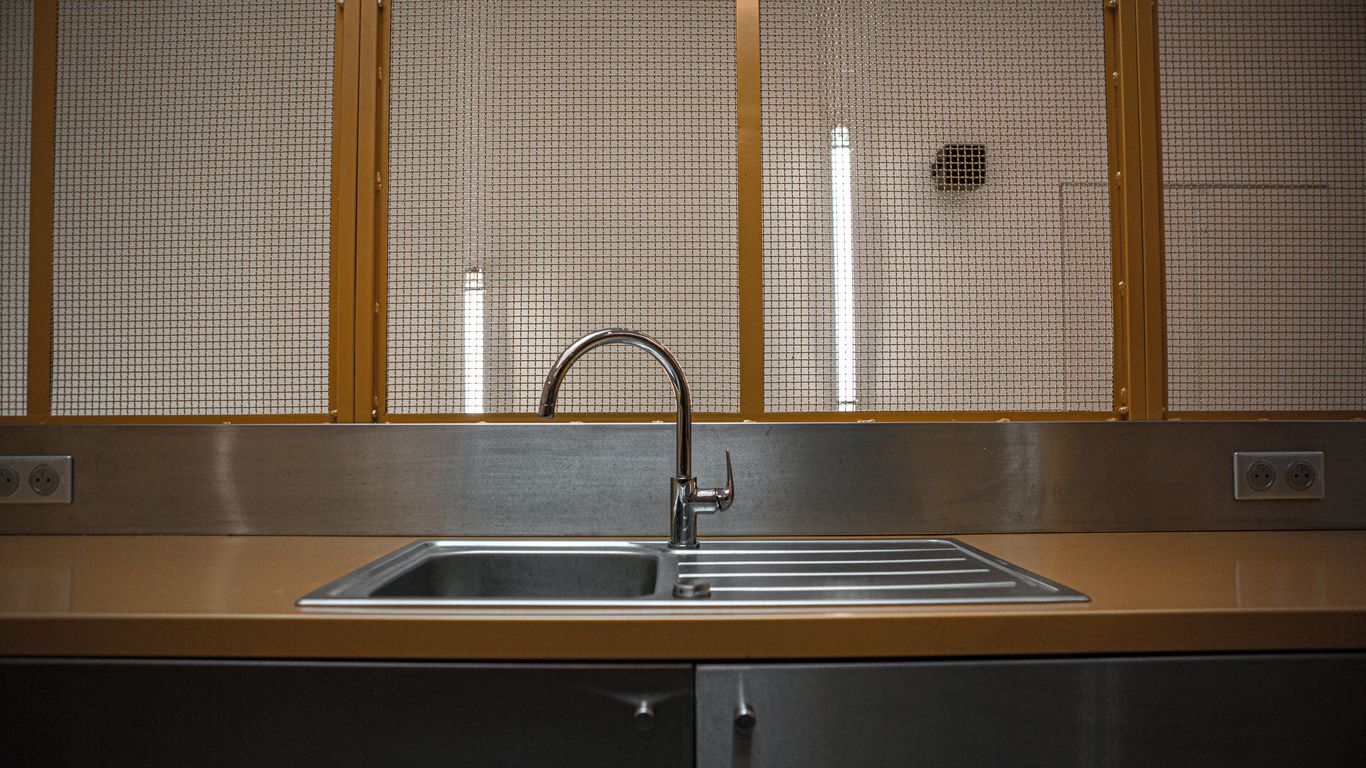
We often hear about the kitchen triangle, and for good reason. It’s a concept that’s been around for decades, but its core principles are still incredibly relevant for creating a kitchen that just works. Think of it as the foundational layout that connects your three main workhorses: the sink, the stove, and the refrigerator. Getting this right means less wasted movement and more time enjoying the process of cooking and gathering.
The Sink: A Hub for Cleaning and Prep
The sink is where so much of our kitchen activity begins and ends. It’s not just for washing dishes; it’s where we rinse produce, fill pots, and often, where we do a good portion of our food preparation. Because of this, its placement is key. Ideally, we want it to be easily accessible, with enough counter space on either side for setting down items. Consider how the dishwasher relates to the sink – they should be close neighbors to make unloading dishes a breeze. We also like to position sinks near windows when possible, bringing in natural light that makes tasks more pleasant.
The Stove: The Heart of Culinary Creation
Your stove or cooktop is the focal point for cooking. Its placement within the triangle should allow for easy access to ingredients from the refrigerator and tools from nearby cabinets. We also think about the ‘landing zone’ around the stove – the counter space where you can safely set down hot pots and pans. This area needs to be clear and accessible. For many, a central placement within the kitchen layout makes sense, allowing for interaction with family or guests while you cook.
The Refrigerator: Strategic Placement for Efficiency
The refrigerator is your primary food storage. Its location impacts how efficiently you can stock it when bringing groceries home and how easily you can access ingredients while prepping or cooking. We aim for a spot that’s convenient for unloading groceries, often near an entrance or the main walkway into the kitchen. It should also be positioned so that its door swing doesn’t obstruct main traffic paths or other work areas. Thinking about the refrigerator as part of a larger kitchen work zone helps us place it thoughtfully.
The goal of the kitchen triangle is to create an efficient workflow by minimizing the distance between the sink, stove, and refrigerator. This classic layout principle, developed decades ago, still provides a solid framework for a functional kitchen, even as we incorporate more specialized areas.
Here’s a quick look at ideal distances:
| Component | Minimum Distance | Maximum Distance |
|---|---|---|
| Sink to Stove | 4 feet | 9 feet |
| Stove to Fridge | 4 feet | 9 feet |
| Fridge to Sink | 4 feet | 9 feet |
These distances help prevent the triangle from feeling too cramped or too spread out, promoting a comfortable and productive kitchen layout.
Expanding Work Zones for Enhanced Productivity
Beyond the core kitchen triangle, we can create specialized areas to make your kitchen truly work for you. Think of these as distinct zones, each designed for a specific purpose, which streamlines tasks and makes the entire space more efficient. This approach moves beyond just placing appliances and considers the flow of activities.
The Dedicated Prep Zone
This is where the magic of meal preparation happens. We want to give you ample, uninterrupted counter space. This zone should be strategically located, ideally between the sink and the cooking area, to minimize steps. Consider built-in features like a cutting board that fits over a trash pull-out, or a dedicated drawer for knives and utensils. Good lighting here is also key; task lighting directly above the counter makes chopping and dicing safer and more pleasant. A well-designed prep zone can significantly reduce the time and effort involved in cooking.
Specialized Zones for Baking and Beverages
For those who love to bake, a dedicated baking zone is a game-changer. This might include a countertop at a comfortable height, easy access to your stand mixer, and storage for baking ingredients and tools. Similarly, a beverage station can consolidate your coffee maker, tea kettle, mugs, and other related items. This keeps these frequently used items organized and out of the main workflow, preventing congestion. It’s about creating little pockets of convenience tailored to your habits.
Integrating a Smart Cleaning Station
While the sink is part of the main triangle, we can expand its functionality into a true cleaning station. This involves more than just the dishwasher. Think about integrated trash and recycling pull-outs, a dedicated space for cleaning supplies, and perhaps even a small utility sink if space allows. Organizing these elements efficiently means less time spent tidying up and more time enjoying your home.
Here’s a quick look at how these zones can be structured:
- Prep Zone: Counter space, sink access, knife block, utensil drawers.
- Cooking Zone: Stove, oven, microwave, pots and pans storage.
- Cleaning Zone: Sink, dishwasher, trash/recycling, cleaning supply storage.
- Baking Zone: Dedicated counter, mixer storage, ingredient organization.
- Beverage Zone: Coffee maker, tea supplies, mug storage.
Thinking about these distinct zones helps us design a kitchen that not only looks beautiful but also functions intuitively. It’s about anticipating your needs and creating a space that supports your lifestyle, making everyday tasks feel less like chores and more like a pleasure. This thoughtful planning is what separates a good kitchen from a truly great one, contributing to the overall livability of your home and making your kitchen a joy to work in.
Maximizing Space with Intelligent Storage Solutions
When we think about a kitchen that truly works for us, storage is right up there with layout and appliances. It’s not just about having enough room for our things; it’s about how we can make every inch count, keeping our countertops clear and our workflow smooth. We want our kitchens to feel spacious and organized, even if the square footage isn’t enormous. This means looking at storage with a fresh perspective, considering solutions that are both practical and aesthetically pleasing.
Vertical Cabinetry for Uninterrupted Lines
One of the most effective ways to gain storage without sacrificing floor space is by utilizing vertical space. We often see cabinets that stop short of the ceiling, leaving a dusty, unused gap. By extending cabinetry all the way up, we create a clean, uninterrupted line that draws the eye upward and significantly increases storage capacity. These taller cabinets are perfect for housing items we don’t access daily, like seasonal serving dishes or seldom-used small appliances. This approach not only maximizes storage but also contributes to a more streamlined and polished look in the kitchen. For those with smaller kitchens, this is a game-changer, offering more cabinet solutions that can transform the space.
Concealing Clutter with Appliance Garages
Countertops can quickly become cluttered with everyday appliances like toasters, blenders, or coffee makers. An appliance garage is a smart, built-in solution that hides these items away when not in use, maintaining a clean and tidy appearance. These can be designed as simple lift-up doors or pull-out shelves, keeping your most-used gadgets accessible but out of sight. This keeps the visual noise down and makes your prep areas feel much larger and more inviting.
The Elegance of Integrated and Panel-Ready Appliances
For a truly cohesive and sophisticated look, we often recommend integrated or panel-ready appliances. Integrated appliances are designed to fit flush within cabinetry, while panel-ready models allow you to attach custom cabinet panels to the appliance fronts. This makes refrigerators, dishwashers, and even ovens blend seamlessly into the surrounding cabinetry. The result is a sleek, uninterrupted facade that hides the utilitarian nature of appliances, contributing to a calm and uncluttered aesthetic. It’s a subtle detail that makes a significant difference in the overall feel of the kitchen, making it appear more like a custom-built furniture piece than a collection of machines.
Designing for Light in Vancouver’s Unique Climate
Vancouver’s beauty is undeniable, but its famous “liquid sunshine” means that natural light can be a precious commodity. When we design kitchens here, we don’t just think about how they look; we consider how they feel, especially on those grey, misty days. Our goal is to create spaces that feel bright, airy, and welcoming, no matter what the weather is doing outside. It’s about embracing the climate, not fighting it.
Mastering a Layered Lighting Strategy
In a city like ours, a single overhead light just won’t cut it. We approach lighting with a thoughtful, layered strategy that combines different types of light to create a functional and inviting atmosphere. This isn’t about just turning on a switch; it’s about crafting an experience.
- Ambient Lighting: This is the general illumination that fills the room. We often use sleek, modern LED pot lights for a clean, even spread of light across the entire kitchen.
- Task Lighting: This is focused light for your work areas. Under-cabinet LED strips are a game-changer, illuminating countertops and making prep work safer and more enjoyable. Pendant lights over an island add both focused light and a decorative touch.
- Accent Lighting: This is the subtle glow that adds warmth and personality. Think about soft lighting inside glass-front cabinets to showcase your favorite dishes or a stylish wall sconce to create a cozy pool of light.
We always recommend bulbs with a warm color temperature, typically between 2700K and 3000K. This helps create a cozy, welcoming feel that beautifully counteracts the cooler tones often present on overcast days. It’s a small detail that makes a big difference in how the space feels.
Utilizing Reflective Surfaces to Amplify Light
The materials we choose play a significant role in how light behaves within your kitchen. Incorporating reflective surfaces is a smart way to make the space feel brighter and more open. We look for finishes that gently bounce light around the room.
- Cabinet Finishes: While high-gloss can sometimes feel too stark, a satin or eggshell finish on your cabinets offers a soft sheen that reflects light beautifully.
- Backsplashes: Handmade-look glazed tiles, with their slightly uneven surfaces, catch and play with light in dynamic ways, adding visual interest and brightness.
- Sink Materials: Even your sink choice matters! A lustrous stainless steel or a bright white fireclay sink will reflect more light than a darker composite option, contributing to an overall brighter feel. Thoughtful material selection is key to a luminous kitchen.
Choosing Warm Bulb Temperatures for Ambiance
As mentioned, the color temperature of your light bulbs has a profound impact on the mood of your kitchen. In Vancouver, where we often experience diffused natural light, opting for warm-toned bulbs is particularly effective. Bulbs in the 2700K to 3000K range provide a cozy, inviting glow that feels natural and comfortable. This choice helps to create a sanctuary-like atmosphere, making your kitchen a true haven, even when the weather outside is less than ideal. It’s about creating a space that feels good to be in, day in and day out. We find that this attention to detail in lighting makes a significant difference in the overall enjoyment of the kitchen, turning it into a place where you truly want to spend time. For more on creating functional spaces, consider looking into custom kitchen design.
The Multifunctional Island: A Hub for Modern Living
Designing for Versatile Use: Prep, Dine, Work
In today’s Vancouver homes, the kitchen island has transformed from a simple workspace into the true heart of the home. It’s where morning coffee is brewed, homework gets done, and impromptu meetings happen. We see islands as dynamic surfaces that need to adapt to your daily rhythm. Think about a generous, uninterrupted expanse of countertop – perhaps finished with a striking waterfall edge where the material cascades down the sides. This not only looks sophisticated but also provides ample room for various activities. It’s about creating a space that supports everything from quick meal prep to extended work sessions.
Incorporating Essential Features like Recycling Pull-Outs
Beyond aesthetics, the practicalities of island design are paramount. For a Vancouver lifestyle, integrating features that simplify daily chores is key. We often recommend deep drawers for easy access to pots and pans, and crucially, dedicated pull-out bins for recycling and compost. These thoughtful additions keep the main surfaces clear and contribute to a more organized, efficient kitchen. It’s these details that make a kitchen truly work for you.
The Aesthetic Appeal of Waterfall Edges
When we talk about visual impact, the waterfall edge is a standout feature. This design element, where the countertop material flows vertically down the sides of the island to the floor, creates a sleek, sculptural look. It adds a modern, high-end finish that can really define the kitchen’s style. It’s a way to make your island a statement piece, blending form and function beautifully. For homeowners looking to elevate their kitchen, this detail is often a game-changer.
A well-designed island isn’t just about adding counter space; it’s about creating a central point for living that enhances workflow and social connection within the home. We focus on making this hub as practical as it is beautiful, considering how it integrates with the rest of your living areas.
Bridging Indoors and Outdoors: The West Coast Lifestyle
Creating Flow with Continuous Flooring
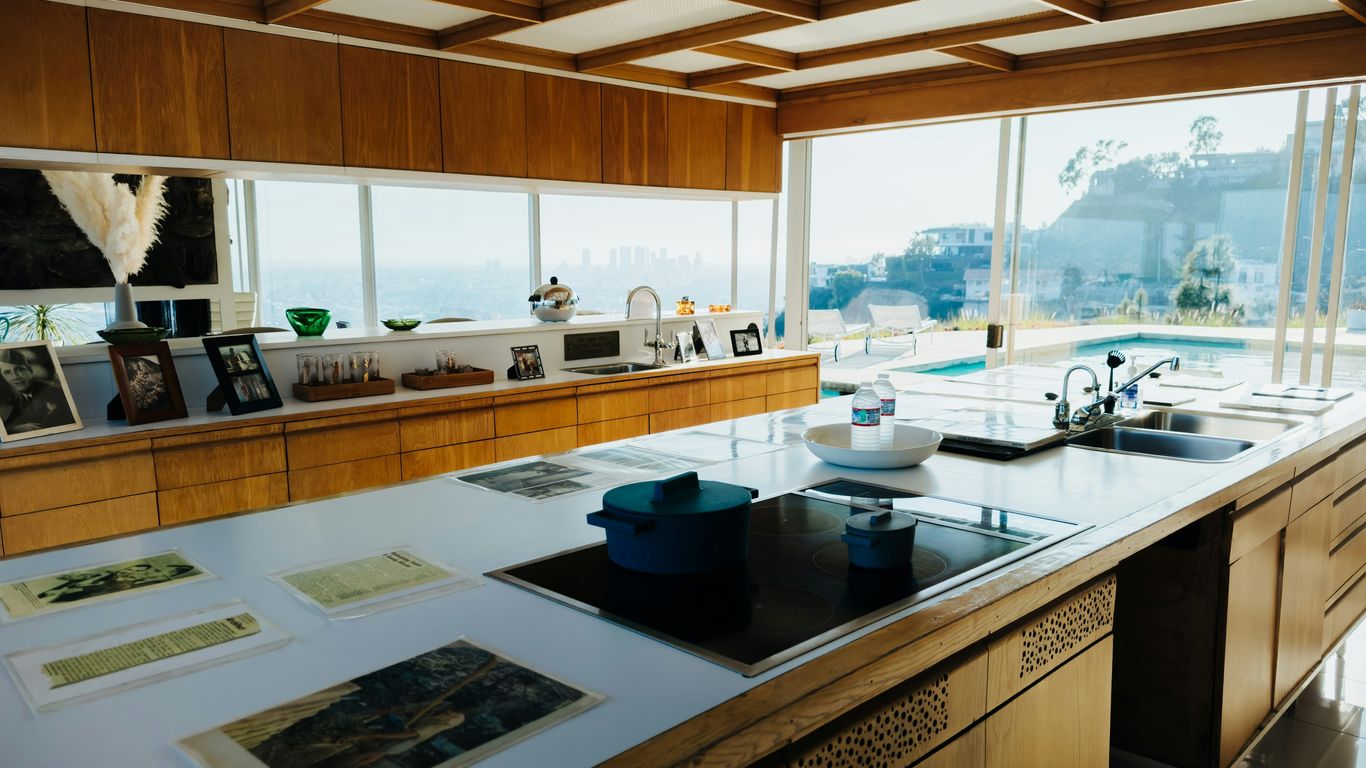
In Vancouver, our connection to the natural world is a defining characteristic of our lifestyle. Our homes should reflect this, blurring the lines between indoor comfort and outdoor beauty. One of the most effective ways to achieve this is through the thoughtful selection of flooring. By extending the same material from your kitchen out onto your patio or deck, we create a visual continuity that makes both spaces feel larger and more connected. Imagine large-format tiles that transition seamlessly, drawing the eye outward and inviting the fresh air in. This approach not only looks sophisticated but also makes entertaining a breeze, allowing guests to move freely between spaces.
The Impact of Pass-Through Windows
For a truly integrated indoor-outdoor experience, consider the transformative power of a pass-through window. These are more than just windows; they are conduits that connect your culinary activities with your outdoor living areas. A large window, perhaps an accordion or gas-strut style, that opens completely can turn your kitchen counter into a functional bar for your patio. It’s a brilliant solution for summer gatherings, allowing for easy serving and conversation between those inside preparing food and those relaxing outside. This feature perfectly captures the relaxed, social spirit of West Coast living.
Extending Your Living Space to the Patio
Our homes in Vancouver are designed to embrace the stunning environment around us. Extending your kitchen’s functionality to the outdoors is a natural progression of this philosophy. Think about how your kitchen can serve as a launchpad for outdoor enjoyment. This might involve designing an outdoor kitchen area adjacent to your indoor one, or simply ensuring easy access and a comfortable transition to a well-appointed patio. We aim to create spaces where the kitchen doesn’t just serve meals but also hosts memories, both inside and out. For inspiration on how to bring this vision to life, consider exploring expert kitchen design ideas tailored for our local climate and lifestyle.
Selecting Materials That Enhance Function and Form
When we think about our kitchens, we often focus on the layout and the big appliances. But the materials we choose play a massive role in how our kitchen looks, feels, and performs over time. It’s about finding that sweet spot where beauty meets practicality, creating a space that’s not only a joy to behold but also stands up to the demands of daily life. We want our kitchens to be both a sanctuary and a workhorse, and the right materials are key to achieving that balance.
Choosing Cabinet Finishes for Light Reflection
Cabinetry takes up a significant visual space in any kitchen, so their finish can dramatically impact the overall feel. Lighter, more reflective finishes can make a smaller kitchen feel more open and airy, which is especially helpful in Vancouver’s often-overcast climate. Think about finishes like a soft matte white, a pale grey, or even a light, natural wood tone. These choices bounce light around the room, making it feel brighter and more welcoming. We’ve found that a subtle sheen, rather than a high gloss, often provides the best balance – it reflects light without showing every fingerprint or smudge. It’s a detail that makes a real difference in day-to-day living.
The Dynamic Appeal of Handmade Tiles
While sleek, uniform surfaces have their place, there’s an undeniable warmth and character that handmade tiles bring to a kitchen. Whether used for a backsplash or as a feature wall, these tiles often have slight variations in color and texture, giving them a unique, artisanal quality. This subtle imperfection adds depth and personality, moving away from a sterile, mass-produced look. We love how they can complement a variety of styles, from modern farmhouse to contemporary coastal. For a truly cohesive look, consider continuing the tile up to the ceiling or behind open shelving for a striking focal point. It’s a way to introduce a touch of artistry into your kitchen renovation.
Reflective Sink Materials for Brighter Spaces
The sink area is a hub of activity, and the material of your sink can contribute to the overall brightness and functionality. Stainless steel is a classic choice for its durability and ease of maintenance, and a brushed finish can help minimize water spots. Fireclay sinks offer a beautiful, glossy white surface that reflects light and adds a touch of elegance. For those seeking a truly modern look, composite granite sinks come in a range of colors and can offer a sophisticated matte finish that still performs well. The key is to select a material that not only suits your aesthetic but also withstands the rigors of daily use, from washing dishes to prepping ingredients.
Here’s a quick look at some popular sink material considerations:
| Material | Pros | Cons |
|---|---|---|
| Stainless Steel | Durable, affordable, easy to clean | Can scratch, noisy without insulation |
| Fireclay | Elegant, durable, stain-resistant | Heavy, can chip if hit hard |
| Composite Granite | Wide color range, durable, scratch-resistant | Can be expensive, some stains may set |
Choosing the right materials is a balancing act. We need to consider durability, ease of maintenance, and aesthetics. It’s about creating a space that not only looks beautiful but also functions well for years to come. Don’t rush the process; take your time to research different options and find what works best for your needs and style.
Incorporating Lifestyle-Specific Features
We all use our kitchens differently, and a truly well-designed space reflects that. It’s not just about having a place to cook; it’s about creating zones and conveniences that support how we live. Thinking about your specific needs can transform a functional kitchen into one that feels tailor-made.
Conveniences for the Avid Cook
For those who find joy in the culinary arts, the kitchen should be a supportive partner. This means thinking beyond the basic triangle and considering specialized areas. We often incorporate features like a dedicated baking station with ample counter space and easy access to frequently used tools. Pull-out shelves for heavy stand mixers and built-in spice racks keep everything organized and within reach. A secondary prep sink can also be a game-changer, allowing for efficient washing and chopping without disrupting the main sink area. The goal is to minimize steps and maximize enjoyment during the cooking process.
Solutions for Families and Entertainers
If your kitchen is the heart of family life or the go-to spot for gatherings, its design needs to accommodate multiple users and activities. We look at creating distinct zones that allow for parallel tasks. For instance, a large island can serve as a homework hub while someone else is preparing dinner. Incorporating a durable, easy-to-clean countertop material is key here. We also consider built-in features like a beverage cooler for entertaining or a dedicated drawer for kids’ snacks, keeping them accessible but out of the main workflow. A well-planned kitchen renovation in Vancouver can make all the difference.
Dedicated Coffee Bars for the Connoisseur
For many, the day begins with a carefully crafted cup of coffee or tea. A dedicated coffee bar can be a small but significant addition that brings order and pleasure to your morning routine. This area can house your coffee maker, grinder, and an assortment of teas and mugs. We often integrate a small pull-out drawer for coffee pods or filters and perhaps even a dedicated water line for an espresso machine. It’s about creating a self-contained, efficient space that makes that first cup of the day a truly relaxing ritual, rather than a cluttered scramble. This thoughtful approach to space planning can make a big impact.
The West Coast Modern Aesthetic in Your Kitchen
Embracing Clean Lines and Natural Materials
The West Coast Modern aesthetic is a natural fit for Vancouver homes. It’s all about clean lines, uncluttered spaces, and letting the materials speak for themselves. Think of the beautiful, rugged landscape outside – this style brings that feeling indoors. It creates a space that feels both contemporary and timeless, a real sanctuary in your home. We often see this style reflected in the way designers approach renovations, aiming for a seamless flow throughout the house.
The Warmth of Light Wood Tones
Forget dark, heavy woods. For a Vancouver kitchen, we look to lighter, warmer wood tones that remind us of the local forests. Rift-cut white oak is a popular choice because of its straight grain, giving it a modern yet organic feel. Douglas Fir is another great option, offering a richer tone that works well for open shelving or accent pieces. The goal is to add warmth and texture without making the space feel crowded. A common approach is to pair light wood cabinets with a darker, contrasting island, striking a sophisticated balance.
Creating a Calm and Grounded Sanctuary
Your kitchen’s colour palette should echo the natural environment here. We start with warm whites that help bounce light around, making the space feel brighter. Then, we add accent colours inspired by the landscape: deep greens like those in Stanley Park, misty blues and greys reminiscent of Howe Sound, or dark charcoals found along the coast. These colours, whether on an island, a feature wall, or in the textiles, help create a sophisticated, calming atmosphere that feels deeply connected to its surroundings. This thoughtful approach to colour and material is key to designing a truly functional and beautiful kitchen, especially when considering cabinetry trends for 2025.
The most impactful design moves in modern Vancouver kitchens often involve using natural stones with bold, organic veining. A slab backsplash, where the same stone from the countertop is used on the wall, creates a stunning, grout-free feature that is both practical and artistic. It’s a luxurious touch that speaks to quality and natural beauty.
Bring the relaxed, natural vibe of the West Coast into your kitchen. Think clean lines, natural materials like wood and stone, and a bright, airy feel. This style is all about creating a space that feels both modern and cozy. Ready to transform your kitchen into a West Coast haven? Visit our website to explore design ideas and get a free quote!
Bringing It All Together
So, we’ve talked a lot about making your kitchen work better, especially here in Vancouver. It’s really about thinking through how you use the space, from where you chop your veggies to where you store your pots. The kitchen triangle is a good starting point, but it’s just one piece of the puzzle. When we combine that with smart storage, good lighting for those grey days, and materials that fit our West Coast vibe, we end up with a kitchen that’s not just pretty, but a joy to be in. We hope this guide helps you create a kitchen that truly feels like the heart of your home, ready for whatever life in BC throws your way.
Frequently Asked Questions
What exactly is the ‘kitchen triangle,’ and why is it still important?
We call the ‘kitchen triangle’ the imaginary lines connecting your sink, stove, and fridge. It’s like a secret code for making your kitchen work smoothly. Even with fancy new ideas, keeping these three spots close helps you move around without bumping into things, making cooking and cleaning way easier. It’s been around since the 1940s because it just plain works!
How can we make our kitchen brighter, especially with Vancouver’s weather?
Since we get a lot of rainy days, making our kitchens bright is a big deal. We can use special lights for different jobs – like lights under cabinets for chopping food and pretty lights over the island. Also, shiny things like certain cabinet finishes, shiny tiles, or even a shiny sink can bounce light around, making the whole room feel more open and cheerful.
What are ‘work zones,’ and how do they help organize the kitchen?
Think of work zones as special areas for different kitchen jobs. We have a spot for chopping and getting food ready, a spot for cooking, and a spot for cleaning up. You can even add zones for making coffee or baking. Having these areas helps keep everything tidy and makes it faster to get tasks done because your tools and ingredients are right where you need them.
What’s the best way to store things so our kitchen doesn’t look cluttered?
To keep things looking neat, we can use storage that goes all the way up to the ceiling, so there’s no dusty space above. We can also hide small appliances like toasters in special cabinets called appliance garages. For a really clean look, we can get appliances like dishwashers and fridges that have panels matching the cabinets, so they blend right in.
How can a kitchen island be more than just a place to chop food?
Kitchen islands have become super popular because they can do so many things! We can use them for quick meals, as a place for kids to do homework, or even as a small office space. In Vancouver, it’s smart to include a spot for recycling and compost, and maybe some comfy seats so friends and family can hang out while you cook.
What does ‘West Coast Modern’ mean for kitchen design?
West Coast Modern is a style that’s clean and simple, using natural stuff like light-colored wood. It feels cozy and connected to nature, which is perfect for Vancouver. It’s all about straight lines, not too much stuff, and making a calm, peaceful space that feels like a retreat.
How can we connect our kitchen to the outdoors?
Since we love being outside in Vancouver, we can make our kitchens feel connected to our patios or decks. Using the same kind of flooring inside and out makes it look like one big space. A really cool feature is a big window that opens all the way up, like a pass-through, so you can hand food or drinks out to people on the patio.
What kind of materials work best for a functional and stylish Vancouver kitchen?
We should pick materials that are easy to keep clean and look good. For cabinets, finishes that have a bit of shine, like satin, bounce light nicely. For backsplashes, tiles with a bit of texture catch the light in interesting ways. And for sinks, stainless steel or white fireclay looks bright and reflects light well, making the kitchen feel more open.