
Designing Your Dream Outdoor Kitchen: A Complete Guide
So, you’re thinking about adding an outdoor kitchen to your place? That’s awesome! It’s a really cool way to make your backyard feel like an extension of your home, perfect for cooking out or just hanging with friends. This guide is going to walk you through everything, from figuring out where it’ll go to picking out the right stuff, so you can build the outdoor kitchen you’ve always wanted. It’s a big project, but totally worth it!
Key Takeaways
- Think about your space and what you really need before you start. Where will it go? How much money do you want to spend?
- Plan out your outdoor kitchen’s layout carefully. You want it to be easy to move around and cook in, and also a nice spot for people to hang out.
- Pick out the right appliances and features. A good grill is a must, but also think about storage, a fridge, and maybe a sink.
- Choose materials that can handle the weather and look good. You want your outdoor kitchen to last and fit your style.
- Don’t forget about safety and keeping things clean. Regular cleaning and proper care will keep your outdoor kitchen in good shape for years.
Strategic Planning for Your Outdoor Kitchen
Okay, so you’re dreaming of an outdoor kitchen. Awesome! But before you start picking out grills and countertops, let’s get real about planning. This isn’t just about slapping a grill on your patio; it’s about creating a functional and enjoyable space that fits your lifestyle and budget. Trust me, a little planning goes a long way in avoiding headaches (and overspending) down the road.
Assessing Your Space and Needs
First things first: what do you actually need and what kind of space are you working with? Think about how you plan to use your outdoor kitchen. Are you a casual griller, or do you envision hosting elaborate outdoor feasts? Do you need a full bar setup, or just a simple prep area? Consider these questions:
- How many people do you typically entertain?
- What type of cooking will you be doing most often (grilling, smoking, pizza making)?
- What are your storage needs for cookware, utensils, and food?
- Do you need a dining area, or will you be eating elsewhere?
Next, take a good look at your available space. Measure everything! Consider the existing features of your yard, such as trees, patios, and landscaping. Think about sun exposure, wind direction, and proximity to your house. All of these factors will influence the design and layout of your outdoor kitchen. You can download the free guide to help you plan.
Choosing the Right Location for Your Outdoor Kitchen
Location, location, location! Just like with real estate, the location of your outdoor kitchen is crucial. You want a spot that’s convenient, accessible, and protected from the elements. Here are some things to keep in mind:
- Proximity to your house: Ideally, your outdoor kitchen should be close to your indoor kitchen for easy access to utilities and supplies. Think about how often you’ll be running back and forth for ingredients or serving dishes.
- Sun and wind exposure: Avoid areas that get direct sunlight all day long, as this can make cooking and dining uncomfortable. Also, consider the prevailing wind direction and position your kitchen accordingly to minimize smoke blowing into your house or entertaining area.
- Accessibility: Make sure your outdoor kitchen is easily accessible from your house and other parts of your yard. Consider pathways, steps, and lighting to ensure safe and convenient access.
- Utilities: Think about access to water, gas, and electricity. Running utilities to your outdoor kitchen can be expensive, so choose a location that minimizes these costs.
Don’t underestimate the importance of proper ventilation. A poorly ventilated outdoor kitchen can become smoky and unpleasant, especially if you’re using a charcoal grill or smoker. Consider installing a range hood or choosing a location with good natural airflow.
Budgeting for Your Outdoor Kitchen Project
Okay, let’s talk money. Outdoor kitchens can range in price from a few thousand dollars to tens of thousands, depending on the size, features, and materials you choose. It’s important to set a realistic budget upfront and stick to it as much as possible. Here’s a breakdown of potential costs:
- Appliances: Grill, smoker, refrigerator, side burner, etc.
- Materials: Countertops, cabinetry, flooring, etc.
- Construction: Labor costs for building the structure, running utilities, and installing appliances.
- Permits: Building permits may be required, depending on your location and the scope of the project.
- Accessories: Outdoor furniture, lighting, decor, etc.
To help you stay on track, create a detailed budget spreadsheet and track your expenses as you go. Get multiple quotes from contractors and suppliers to compare prices. And don’t be afraid to make compromises to stay within your budget. Maybe you can plan your outdoor kitchen in phases, starting with the essentials and adding more features later on.
Designing an Inviting Outdoor Kitchen Layout
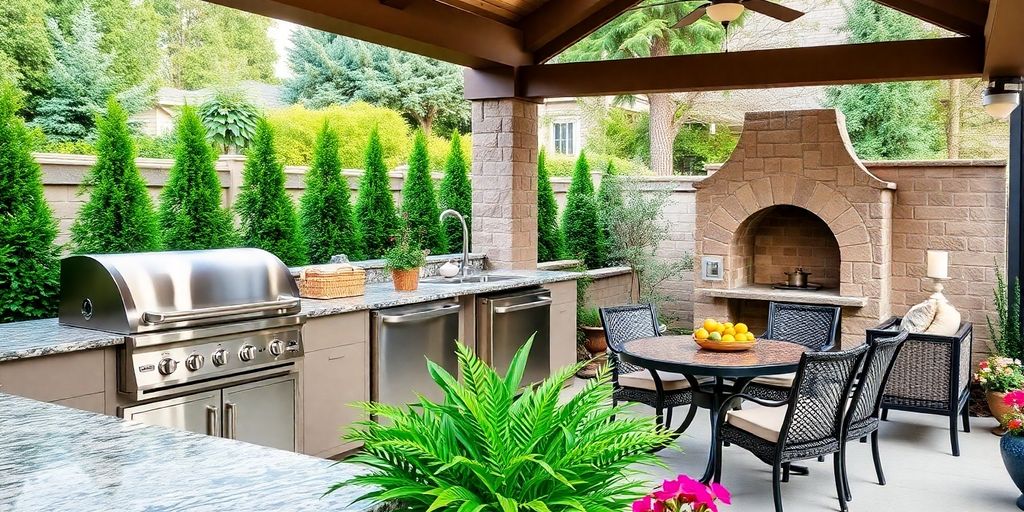
Let’s talk about making your outdoor kitchen a place where people actually want to hang out. It’s not just about slapping a grill outside; it’s about creating a vibe. Think about how people will move around, where they’ll sit, and how it all connects to your house. A well-designed layout is key to a functional and enjoyable outdoor cooking experience.
Optimizing Layout for Functionality and Flow
First, think about the work triangle – grill, sink, and prep area. You don’t want to be running a marathon every time you need to grab something. Keep those three close, but not too close. Give yourself enough counter space to actually chop veggies and set down plates. Consider the following:
- Work Triangle Distances: Each leg of the triangle should ideally be between 4 and 9 feet.
- Counter Space: Aim for at least 36 inches of counter space next to the grill and sink.
- Walkways: Ensure walkways are at least 36 inches wide to allow for easy movement.
Also, think about where you’ll store things. Drawers and cabinets near the grill are super handy for keeping utensils and spices within reach. Nobody wants to trek back inside for tongs.
Creating Seamless Indoor-Outdoor Transitions
Your outdoor kitchen shouldn’t feel like it’s in a completely different world from your indoor space. Try to create a smooth transition. One way to do this is by positioning your outdoor kitchen layout close to your indoor kitchen. This makes it easy to grab extra utensils or ingredients. Think about using similar materials or colors to tie the two spaces together. If your indoor kitchen has granite countertops, maybe use granite for your outdoor bar top too.
Think about how you’ll use the space most often. Will you be mostly grilling for small groups, or hosting big parties? This will influence the size and layout of your kitchen. If you’re a serious griller, invest in a high-quality grill and plenty of prep space. If you’re more about entertaining, focus on seating and a bar area.
Incorporating Social and Dining Areas
An outdoor kitchen is more than just a place to cook; it’s a place to socialize. Make sure you have plenty of seating. A bar with stools is great for casual gatherings, while a dining table is perfect for sit-down meals. Consider adding a lounge area with comfortable chairs and a fire pit for those cooler evenings. Think about the flow of traffic. You don’t want people bumping into each other while you’re trying to flip burgers. Make sure there’s enough space for people to move around comfortably. A kitchen island can serve as both a workspace and a gathering spot, making it the centerpiece of your outdoor entertaining space. Consider these options for outdoor furniture:
- Bar Seating: Ideal for casual dining and socializing while you cook.
- Dining Table: Perfect for sit-down meals with family and friends.
- Lounge Area: Comfortable seating around a fire pit or outdoor fireplace for relaxation.
Selecting Essential Features and Appliances for Your Outdoor Kitchen
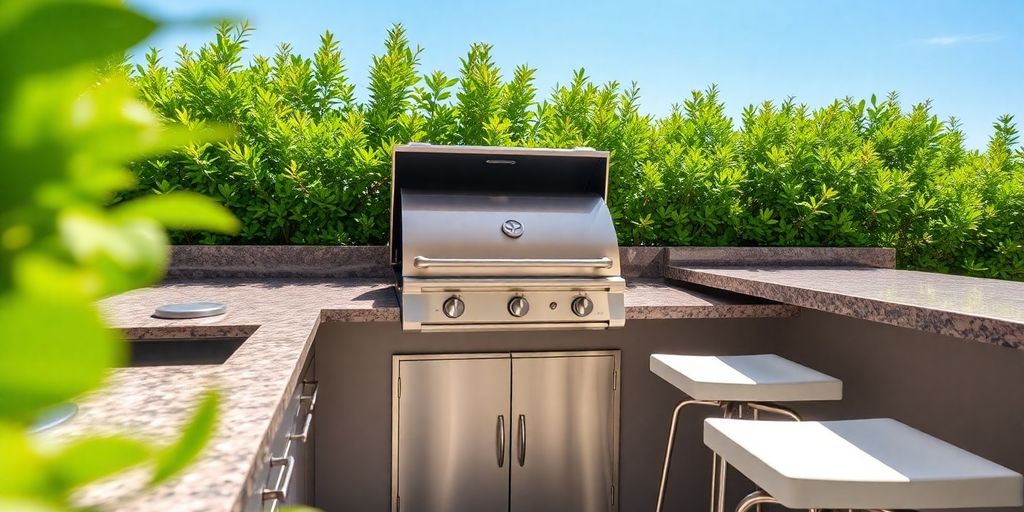
Time to get into the fun stuff: picking out all the gadgets and gizmos that’ll make your outdoor kitchen a culinary paradise! It’s easy to get carried away, but let’s break down the must-haves and some cool extras to consider.
Key Cooking Appliances for Outdoor Kitchens
Okay, first things first: the grill. This is the heart of most outdoor kitchens. But what kind? Gas grills are super convenient for quick weeknight dinners. Charcoal grills? They give you that smoky flavor some people just can’t live without. And then there are pellet grills, smokers, even pizza ovens! It really depends on your cooking style. I personally love the versatility of a gas grill with a side burner for sauces or boiling corn.
Here’s a quick rundown:
- Gas Grill: Quick, easy, temperature control.
- Charcoal Grill: Smoky flavor, requires more attention.
- Pellet Grill: Set it and forget it smoking, consistent temps.
- Pizza Oven: For the pizza aficionado, high-heat cooking.
Integrating Refrigeration and Storage Solutions
Don’t underestimate the importance of keeping things cold and organized! Running back inside every five minutes for ingredients or drinks gets old fast. An outdoor-rated refrigerator is a game-changer. They’re built to handle the temperature swings and moisture that come with being outside. For storage, think about weatherproof cabinets and drawers. Stainless steel is a popular choice because it’s durable and looks great. You can also consider marine-grade polymer for extra protection against the elements. Ample storage space is key to keeping your outdoor kitchen tidy and functional.
Considering Sinks and Water Access
A sink might seem like a luxury, but trust me, it’s worth it. Washing veggies, rinsing hands, cleaning up spills – it all becomes so much easier. A stainless steel sink is a solid choice. If you can swing it, connect it to a water line for running water. If not, a gravity-fed system can work too. Think about where the water will drain; you don’t want to create a swamp in your backyard!
Having a dedicated sink outside really cuts down on trips inside. It’s not just about convenience; it’s about keeping your indoor kitchen clean and preventing tracking dirt and grime back and forth. Plus, it’s just nice to have everything you need right there at your fingertips.
Choosing Durable and Stylish Materials for Your Outdoor Kitchen
Choosing the right materials is super important for your outdoor kitchen. You want something that looks good, but also holds up against the weather. Think about rain, sun, and even snow, depending on where you live. Let’s explore some options.
Weather-Resistant Materials for Longevity
Durability is key when it comes to outdoor kitchens. You don’t want to be replacing things every year. Here are some materials that can withstand the elements:
- Stainless Steel: A classic choice for appliances and some cabinetry. It’s rust-resistant and easy to clean.
- Stone: Natural stone like granite or slate can handle extreme temperatures and moisture. It also adds a touch of elegance.
- Concrete: A versatile option that can be stained or stamped to match your style. It’s also very durable.
- Treated Wood: If you love the look of wood, make sure it’s properly treated to resist rot and insects. Cedar and teak are good choices.
Selecting the right materials is not just about aesthetics; it’s about ensuring your outdoor kitchen remains a functional and beautiful space for years to come. Consider the climate in your area and how much maintenance you’re willing to do when making your choices.
Selecting Countertops and Cabinetry
Your countertops and cabinetry are the workhorses of your outdoor kitchen. They need to be both functional and stylish. Here are some popular options:
- Countertops:
- Granite: Heat-resistant and easy to clean.
- Concrete: Can be customized with different colors and finishes.
- Tile: Offers a wide range of design options, but requires more maintenance.
- Stainless Steel: Durable and easy to sanitize.
- Cabinetry:
- Stainless Steel: Weather-resistant and sleek.
- Polymer: A durable and low-maintenance option.
- Wood (Treated): Adds warmth and character, but requires regular sealing.
Flooring Options for Outdoor Kitchens
The flooring sets the stage for your entire outdoor kitchen. It needs to be slip-resistant and able to withstand heavy foot traffic. Here are some ideas:
- Pavers: Come in a variety of materials, like concrete, brick, and stone.
- Tile: Durable and stylish, but can be slippery when wet.
- Stone: Natural stone adds a rustic touch and is very durable.
- Composite Decking: A low-maintenance option that looks like wood.
Choosing the right flooring will not only enhance the look of your outdoor kitchen but also ensure safety and comfort for you and your guests.
Enhancing Your Outdoor Kitchen with Smart Technology
Smart tech isn’t just for inside the house anymore. You can seriously level up your outdoor cooking and entertaining game with some well-placed gadgets. It’s all about making things easier, more convenient, and, let’s be honest, a little bit cooler.
Smart Grills and Cooking Devices
Smart grills are a game-changer. They let you monitor temperatures remotely, set timers, and even get alerts when your food is cooked to perfection. No more hovering over the grill! Some even have built-in cameras so you can watch your food cook from your phone. It’s pretty wild. You can even find quality appliances that connect to your home’s wifi.
- Remote temperature monitoring
- Automated cooking programs
- Mobile app integration
Automated Lighting and Entertainment Systems
Imagine setting the perfect mood with just a tap on your phone. That’s the power of automated lighting. You can adjust brightness, change colors, and even set schedules. And don’t forget the tunes! A good outdoor sound system can really set the vibe for a party. Think about weatherproof speakers and maybe even an outdoor TV for movie nights.
- Smart lighting control
- Outdoor sound systems
- Weatherproof entertainment options
Integrating Smart Home Features
Why not connect your outdoor kitchen to your existing smart home setup? You could control everything from the lights to the music to the irrigation system with a single app or voice command. It’s all about creating a seamless and integrated experience. Plus, think about the convenience of being able to preheat your grill from inside the house on a cold day.
- Voice control integration
- Centralized control via smart home hub
- Remote access and monitoring
Integrating smart tech into your outdoor kitchen isn’t just about showing off. It’s about making your life easier and more enjoyable. It’s about spending less time worrying about the details and more time enjoying the company of your friends and family. It’s about creating a space where you can relax, unwind, and make memories that will last a lifetime. And it’s about having the coolest outdoor kitchen on the block.
Personalizing Your Outdoor Kitchen with Finishing Touches
Time to put your stamp on your outdoor cooking space! It’s the little things that really make it feel like your outdoor kitchen. We’re talking about those final touches that elevate the space from functional to fabulous. Let’s explore how to make your outdoor kitchen a true reflection of your style and personality.
Adding Decorative Elements and Accessories
Think of this as the jewelry for your outdoor kitchen. It’s about adding those personal touches that make the space feel inviting and reflect your style. Don’t be afraid to get creative!
- Lighting: String lights, lanterns, or even some cool wall sconces can create a warm and inviting atmosphere, especially for evening gatherings. Consider solar-powered options for energy efficiency.
- Plants: Potted plants, hanging baskets, or a small herb garden can add a touch of nature and freshness to your outdoor kitchen. Plus, fresh herbs are always a bonus for cooking!
- Artwork: Outdoor-friendly art, like metal sculptures or weather-resistant prints, can add a pop of color and personality to your space. Just make sure it can withstand the elements.
Decorative elements are more than just aesthetics; they contribute to the overall ambiance and comfort of your outdoor kitchen. Thoughtfully chosen accents enhance the visual appeal and functionality, making it a welcoming and enjoyable place for both cooking and entertaining.
Incorporating Landscaping and Greenery
Landscaping can really tie your outdoor kitchen into its surroundings. It’s about creating a seamless transition between your cooking space and the rest of your yard. Think about how you can use plants, trees, and other natural elements to enhance the overall look and feel.
- Privacy: Use shrubs or trees to create a natural screen and provide privacy from neighbors.
- Shade: Plant trees or install a pergola with climbing plants to provide shade during hot summer days. Consider aluminium pergolas for weather protection.
- Aesthetics: Choose plants that complement the style of your outdoor kitchen and add visual interest throughout the year. Consider the color, texture, and height of different plants to create a balanced and harmonious landscape.
Selecting Outdoor Furniture and Seating
Comfortable seating is a must for any outdoor kitchen. You want a place where you and your guests can relax and enjoy the food and company. Consider the style of your outdoor kitchen and choose furniture that complements it.
- Dining Area: A table and chairs for enjoying meals outdoors. Choose a table that’s large enough to accommodate your family and friends.
- Lounge Area: Comfortable seating, like sofas or armchairs, for relaxing and socializing. Add some outdoor cushions and throws for extra comfort.
- Bar Seating: Bar stools for seating at a counter or island. This is a great option for casual dining or drinks.
| Furniture Type | Material Options | Considerations |
|---|---|---|
| Dining Table | Teak, metal, composite | Size, shape, weather resistance |
| Chairs | Wicker, metal, plastic | Comfort, stackability, style |
| Lounge Seating | Wicker, aluminum, fabric | Cushion comfort, water resistance, durability |
Ensuring Safety and Maintenance for Your Outdoor Kitchen
Let’s face it, building an outdoor kitchen is a big investment, and you want it to last. That means thinking about safety from the get-go and keeping up with regular maintenance. It’s not just about grilling burgers; it’s about making sure your outdoor space is safe and enjoyable for years to come.
Safety Considerations for Outdoor Kitchens
Safety should be your number one priority. A well-designed and maintained outdoor kitchen minimizes risks and ensures everyone’s well-being. Here are some key areas to focus on:
- Gas Lines: If you’re using a gas grill or other gas appliances, make sure the gas lines are installed by a qualified professional. Leaks can be extremely dangerous. Regular inspections are a must.
- Electrical Wiring: Outdoor electrical outlets need to be GFCI-protected to prevent shocks, especially since water is often involved. Again, hire a pro for any electrical work.
- Ventilation: Proper ventilation is crucial, especially if your outdoor kitchen has any enclosed areas. Carbon monoxide buildup can be deadly. Make sure there’s adequate airflow around your cooking appliances.
- Fire Safety: Keep a fire extinguisher nearby and know how to use it. Clear the area around your grill of any flammable materials. Never leave a grill unattended while it’s in use.
It’s easy to overlook safety when you’re caught up in the excitement of designing your dream outdoor kitchen. But taking the time to address these concerns upfront can prevent accidents and ensure that your outdoor space is a safe and enjoyable place for everyone.
Regular Cleaning and Upkeep
Think of your outdoor kitchen like any other part of your home – it needs regular cleaning and maintenance to stay in good shape. Here’s a simple routine to follow:
- Clean Surfaces Regularly: Wipe down countertops, appliances, and cabinets after each use. Use mild soap and water for most surfaces. Avoid harsh chemicals that can damage the materials.
- Inspect for Damage: Check for any signs of wear and tear, loose connections, or weather damage. Address any problems promptly to prevent them from getting worse.
- Protect from the Elements: Cover your appliances and furniture when they’re not in use to shield them from rain, snow, and UV exposure. Consider adding weatherproofing treatments to wood and stone surfaces.
Here’s a quick guide to cleaning different materials:
| Material | Cleaning Method |
|---|---|
| Stainless Steel | Stainless steel cleaner or mild soap and water |
| Stone | Mild soap and water, avoid acidic cleaners |
| Wood | Mild soap and water, re-seal periodically |
| Grill Grates | Wire brush after each use, deep clean regularly |
Winterizing Your Outdoor Kitchen
If you live in an area with cold winters, winterizing your outdoor kitchen is essential to protect it from damage. Here’s what you need to do:
- Disconnect Water Lines: Drain all water lines to prevent freezing and bursting pipes. Turn off the water supply to your outdoor kitchen and open all faucets to drain any remaining water.
- Cover Appliances: Cover your grill, refrigerator, and other appliances with weather-resistant covers. This will protect them from snow, ice, and wind.
- Store Removable Items: Bring cushions, small appliances, and cooking utensils indoors or store them in a weatherproof storage container. This will prevent them from getting damaged by the elements.
- Clean the Grill: Give your grill a thorough cleaning before storing it for the winter. Remove any food debris and grease buildup. This will prevent corrosion and make it easier to clean in the spring.
By taking these steps, you can ensure that your outdoor kitchen is ready to go when the weather warms up again. It’s a little bit of work now that will save you a lot of headaches (and money) in the long run.
Conclusion
So, making your perfect outdoor kitchen is really about more than just picking out cool stuff or figuring out where everything goes. It’s about making a spot that just makes your life better. Whether you’re thinking of a small, cozy kitchen for a few friends or a big, spread-out one for a bunch of people, there are tons of ways to make it happen. Just put in the right things, think about how you’ll actually use the kitchen, and let your outside area just flow with your house. Pretty soon, your backyard will be the best place for cooking, hanging out, and making good memories. Go ahead and start planning today, and get that dream outdoor kitchen built!
Frequently Asked Questions
How much does an outdoor kitchen usually cost?
The cost of an outdoor kitchen can change a lot. It depends on how big it is, what materials you use, and what appliances you pick. A simple setup might cost a few thousand dollars, but a fancy one with all the bells and whistles could be much more. It’s smart to set a budget early on to help guide your choices.
Where’s the best place to put my outdoor kitchen?
The best spot for your outdoor kitchen is usually close to your house, especially your indoor kitchen. This makes it easy to bring food and supplies back and forth. Also, think about sunlight and wind – you want a place that’s comfy to cook in, maybe with some shade and a bit of protection from strong winds.
What are the most important things to have in an outdoor kitchen?
For an outdoor kitchen, you’ll definitely want a good grill. Many people also add a small fridge for drinks and food, and a sink for easy cleanup. Other cool things to think about are a side burner, a pizza oven, or even a smoker, depending on what you like to cook.
What kind of materials should I use for my outdoor kitchen?
Since your outdoor kitchen will be outside in all kinds of weather, you need strong materials. Stainless steel is great for appliances because it doesn’t rust. For countertops and cabinets, stone, concrete, or special weather-proof wood are good choices. These materials will last a long time and still look nice.
Can I add smart technology to my outdoor kitchen?
Yes, you can definitely make your outdoor kitchen smart! There are grills you can control with your phone, lights that turn on by themselves, and even sound systems for music. Adding smart tech can make cooking and hanging out outside even more fun and easy.
How do I keep my outdoor kitchen clean and in good shape?
Keeping your outdoor kitchen clean is pretty simple. Wipe down surfaces regularly, especially after cooking. For grills, follow the manufacturer’s cleaning tips. Before winter, or if you won’t use it for a while, it’s a good idea to clean everything well and cover it up to protect it from the elements.