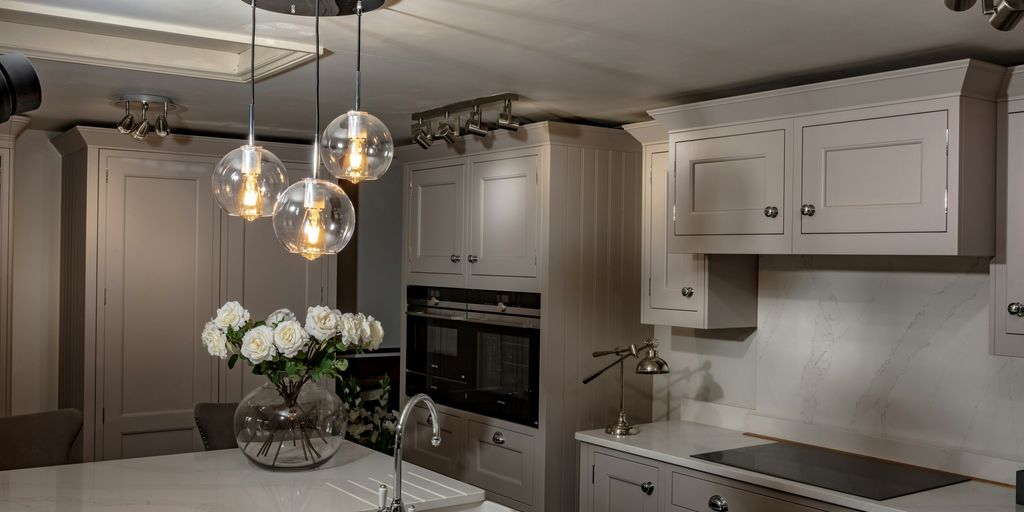
Designing Your Dream Kitchen Island: A Comprehensive Guide
Thinking about adding a kitchen island to your home? It’s a great idea! A good kitchen island can really change how you use your kitchen. It gives you more room to cook, more storage, and a spot for everyone to hang out. But getting it right means thinking about a few things first. This guide will walk you through all the steps to design a kitchen island that fits your life and looks good too.
Key Takeaways
- Figure out what you’ll use the kitchen island for first, like cooking, eating, or storing things. This helps with design choices.
- Measure your kitchen carefully to make sure the island fits and leaves enough space to walk around it comfortably.
- Pick materials for the countertop and cabinets that look good with your kitchen and can handle daily use.
- Think about adding outlets, a sink, or a cooktop to your kitchen island for more function, but remember this means more planning for power and water.
- Don’t be afraid to get help from designers or contractors to make sure your kitchen island is built right and follows all the rules.
Defining Your Kitchen Island’s Purpose

Before you even start thinking about granite versus quartz, or what color cabinets to pick, it’s really important to figure out exactly what you want your kitchen island to do. The primary purpose of your island will dictate its size, shape, features, and even the materials you choose. Are you dreaming of a chef’s paradise, a casual dining spot, or just some extra storage? Answering this question first will save you a lot of headaches down the road.
Food Preparation and Cooking
If you’re a serious cook, you’ll want an island that’s designed for efficiency. Think about what you need within arm’s reach while you’re prepping meals.
- A large, durable countertop is a must. Consider materials like butcher block countertops or stainless steel that can withstand heavy use.
- Strategically placed electrical outlets are essential for appliances like blenders, food processors, and mixers. Nobody wants cords stretching across the kitchen!
- Built-in cutting boards or knife storage can also be a great addition.
Dining and Entertaining
Maybe you envision your kitchen island as the heart of your home, a place where family and friends gather. If that’s the case, you’ll want to prioritize seating and a welcoming atmosphere.
- An extended countertop overhang is crucial for comfortable seating. Make sure there’s enough legroom!
- Consider adding a beverage fridge or wine cooler to keep drinks cold and easily accessible.
- Good lighting is key for creating a warm and inviting ambiance. Think about pendant lights or recessed lighting with dimmers.
Storage and Organization
For some, the main goal of a kitchen island is simply to provide more storage space. If you’re short on cabinets, an island can be a lifesaver.
- Think about incorporating drawers for utensils, pots, and pans. Deep drawers are great for storing bulky items.
- Open shelving can be used to display cookbooks, decorative items, or even everyday essentials.
- Consider specialized storage solutions like pull-out spice racks or kitchen island designs for baking sheets.
It’s easy to get caught up in the aesthetics, but remember that a kitchen island should first and foremost be functional. Take the time to really analyze your needs and how you use your kitchen. This will help you create an island that’s not only beautiful but also a valuable addition to your home.
Determining the Ideal Size and Proportions
The size and shape of your kitchen island are super important. A good size makes the kitchen work better and look nicer. It helps people move around easily and makes cooking more efficient. Let’s figure out how to get it just right.
Assessing Your Kitchen Dimensions
First things first, you gotta measure your kitchen. Don’t just guess! Get a tape measure and write down the length and width of the space where you want the island to go. Note where the cabinets, appliances, and doorways are. This helps you figure out the biggest size your island can be without making the kitchen feel cramped. You want enough room to move around comfortably. This assessment will help you determine the maximum feasible size for your kitchen island while maintaining adequate clearance for comfortable movement. Consider how the island will affect the kitchen layout.
Ensuring Adequate Clearance
Clearance is key! You don’t want to be bumping into things all the time. Here’s a general rule of thumb:
- Walkways: Aim for at least 36-42 inches of space around the island. This lets people walk by even when someone’s cooking.
- Appliances: Make sure there’s enough room to open the dishwasher or oven without hitting the island.
- Seating: If you’re planning on having seating at the island, factor in extra space for people to sit and get up comfortably.
Think about how you actually use your kitchen. Do you often have multiple people cooking at the same time? Do you need extra space for kids to do homework while you’re making dinner? These things will affect how much clearance you need.
Proportionality to Kitchen Size
The island should fit the kitchen. A tiny island in a huge kitchen will look weird, and a massive island in a small kitchen will be a disaster. Here’s how to think about it:
- Small Kitchens: Consider a smaller, more compact island or even a kitchen cart that can be moved around. Think about small kitchen organization to maximize space.
- Medium Kitchens: You have more flexibility here. A standard-sized island with storage and seating could work well.
- Large Kitchens: You can go bigger! Consider a double island or an island with multiple workstations. You can still achieve a minimalist kitchen look even with a larger island.
Here’s a simple table to give you a general idea:
| Kitchen Size | Recommended Island Size |
|---|---|
| Small | Under 60 inches long, 30 inches wide |
| Medium | 60-80 inches long, 36-42 inches wide |
| Large | 80+ inches long, 42+ inches wide (or multiple islands) |
Remember, these are just guidelines. The best way to figure out the right size is to measure your kitchen, think about how you’ll use the island, and maybe even tape out the dimensions on the floor to get a feel for the space.
Exploring Kitchen Island Layouts
Choosing the right layout for your kitchen island is a big deal. It’s not just about looks; it’s about how you’ll actually use the space. A well-planned layout can seriously boost your kitchen’s functionality. Let’s explore some common and effective layouts.
Single-Tiered Kitchen Island
This is probably the most common and straightforward design. A single-tiered island features one continuous surface at a consistent height. It’s great for food prep, casual dining, and even homework. The simplicity makes it versatile for different kitchen styles. You can easily add bar stools for seating or keep it clear for workspace. It’s also easier to clean and maintain since there are no height variations to worry about. A single level also makes it easier to spread out when you’re working on a big cooking project. Consider the kitchen island base cabinets to maximize storage.
Multi-Tiered Kitchen Island
Multi-tiered islands offer different surface heights, which can be both functional and visually interesting. Typically, you’ll have a lower section for food preparation and a raised section for seating. This separation helps to hide clutter in the prep area from guests seated at the higher counter. It’s a good option if you want to clearly define different zones within your island. However, multi-tiered islands can take up more space and might not be ideal for smaller kitchens. Also, cleaning can be a bit more involved due to the varying heights and edges. Think about how the innovative kitchen island designs can be adapted to a multi-tiered layout.
L-Shaped Kitchen Island
An L-shaped island is perfect for larger kitchens, especially those with an L-shaped layout already. It provides ample counter space and can effectively divide the kitchen from other living areas. This design offers a lot of flexibility. One leg of the “L” can be used for prep work, while the other can serve as a breakfast bar or serving area. It also creates a natural flow within the kitchen, making it easier to move between different work zones. However, make sure you have enough clearance around the island to avoid it feeling cramped. Consider these points:
- Maximize corner space with smart storage solutions.
- Ensure adequate lighting over both sections of the “L”.
- Choose countertop materials that complement each other.
When planning your kitchen island layout, think about how you move around your kitchen and what activities you’ll be doing most often. This will help you choose a layout that not only looks great but also makes your kitchen more efficient and enjoyable to use. Don’t forget to measure your space carefully before making any decisions!
Ultimately, the best layout depends on your specific needs and the size and shape of your kitchen. Consider how the custom cabinets in Vancouver can be integrated into your chosen layout.
Selecting Countertop Materials
Choosing the right countertop material for your kitchen island is a big deal. It’s not just about looks; it’s about how well it holds up to daily life, how easy it is to clean, and, of course, how much it costs. Let’s break down the key things to think about.
Durability and Maintenance
Your kitchen island is probably going to see a lot of action, so you need a countertop that can handle it. Think about how often you cook, how messy you are, and who else uses the kitchen. Some materials are super tough, while others need a little more babying. For example, you can check a comparative table of materials to see which one fits your needs.
Here’s a quick rundown:
- Quartz: Really strong and doesn’t stain easily. A good all-around choice.
- Granite: Also very durable, but you’ll need to seal it to prevent stains.
- Laminate: Affordable, but not as resistant to scratches and heat.
- Butcher Block: Looks great, but requires regular oiling and can be susceptible to water damage.
Aesthetic Appeal and Style
Okay, let’s talk looks. Your countertop should fit with the rest of your kitchen’s style. Do you want something modern and sleek, or something more rustic and warm? The material you pick can really change the whole vibe. You can find a kitchen countertop material that fits your style.
Here are some popular options:
- Marble: Classic and elegant, but also expensive and prone to staining.
- Quartzite: Similar to marble in appearance but more durable. It offers a durable surface with a glassy look.
- Concrete: Industrial and modern, but can be porous and needs sealing.
- Wood: Warm and inviting, but requires maintenance.
Don’t be afraid to mix and match! Maybe you want a durable quartz countertop for the main part of the island and a smaller butcher block section for chopping vegetables. It’s all about what works best for you.
Budget Considerations
Let’s be real, cost is a factor. Countertop materials can range from pretty cheap to seriously expensive. Figure out how much you’re willing to spend before you fall in love with something that’s way out of your price range. Laminate is usually the most budget-friendly, while marble and some types of granite are on the higher end. Remember to factor in installation costs, too!
Integrating Storage Solutions
Kitchen islands are great for adding extra storage, which is always a plus. It’s not just about having more space, but about making that space work smartly for you. Let’s look at some ways to make the most of your island’s storage potential.
Cabinetry and Drawers
A mix of cabinets and drawers is usually the best way to go. Deep drawers are perfect for pots, pans, and even bulky items like stand mixers. Cabinets can handle smaller appliances, cookbooks, or even pantry overflow. Think about what you use most often and plan accordingly. It’s also worth considering things like soft-close hinges and full-extension drawer slides – they make a big difference in everyday use.
Open Shelving and Display
Open shelving can add a nice visual touch to your island. It’s a good spot for displaying cookbooks, spice racks, or decorative items. Just be aware that open shelves can collect dust, so you’ll need to wipe them down regularly. If you’re worried about clutter, stick to displaying only a few carefully chosen items.
Specialized Storage Features
Beyond basic cabinets and shelves, there are tons of specialized storage options to consider. Here are a few ideas:
- Pull-out trash/recycling bins: Keep your workspace tidy by hiding these away.
- Knife racks: Keep knives safely stored and easily accessible.
- Peg boards: Great for organizing crockery and keeping it within reach.
- Corner pull-out units: Maximize storage in awkward corner spaces.
Think about what frustrates you most about your current kitchen storage. Is it hard to reach pots and pans? Do you have too many small appliances cluttering your countertops? Use your island’s storage to solve those problems.
Don’t forget about the little things. Things like drawer dividers, custom cabinetry, and under-sink organizers can make a big difference in how efficiently you use your space.
Incorporating Seating Options
Adding seating to your kitchen island can transform it from a simple workspace into a social hub. It’s a great way to make your kitchen more inviting and functional. But, there are a few things to consider before you just slap some stools down.
Bar Stools and Chairs
Choosing the right bar stools or chairs is more than just picking something that looks good. You need to think about comfort, style, and how well they fit with the overall design of your kitchen. Consider these points:
- Height: Measure the height of your island’s countertop to ensure you select stools that allow for comfortable legroom. Typically, you’ll want about 10-12 inches between the seat and the countertop.
- Style: Do you want something modern and sleek, or more traditional? The style of your stools should complement your kitchen’s aesthetic. Check out some kitchen island designs for inspiration.
- Backs or No Backs: Stools with backs offer more support, while backless stools can be tucked away easily to save space. It really depends on how much time people will be spending sitting there.
- Material: Consider materials that are durable and easy to clean, especially if you have kids. Wood, metal, and upholstered options are all popular choices.
Built-In Bench Seating
Built-in bench seating can be a fantastic option if you’re looking for a more permanent and cozy seating arrangement. It’s especially useful in smaller kitchens where maximizing space is key. Here’s what to think about:
- Storage: Benches can double as storage units, providing a place to stash away items like cookbooks, placemats, or even kids’ toys. This is a huge plus if you’re short on cabinet space.
- Comfort: Add cushions and pillows to make the bench more comfortable. Choose fabrics that are durable and easy to clean.
- Design: Integrate the bench seamlessly into your island’s design. Consider matching the cabinetry or using complementary colors and materials.
Counter Height Considerations
Counter height is a critical factor when planning your seating. The height of your island will determine the type of seating you need. Standard kitchen islands are typically 36 inches high, requiring counter-height stools (around 24-26 inches). Bar-height islands, which are taller (around 42 inches), need bar-height stools (around 30 inches). If you have a multi-tiered island, you might need different seating options for each level. If you’re looking for quartz countertops in Vancouver, make sure to consider the height when planning your island.
Getting the counter height right is super important. If the seating is too high or too low, it’s just not going to be comfortable, and nobody will want to sit there. Measure carefully and consider how the height will work for everyone in your family.
Here’s a quick guide:
| Island Height (Inches) | Recommended Stool Height (Inches) |
|---|---|
| 36 | 24-26 |
| 42 | 30 |
| 30 (Table Height) | 18-20 |
Don’t forget to think about legroom! You want enough space for people to sit comfortably without bumping their knees. If you’re considering a portable kitchen island table, make sure the seating is well-integrated and comfortable.
Planning for Appliances and Utilities
Sink and Faucet Placement
Thinking about adding a sink to your kitchen island? It’s a game changer for prep work and cleanup. You’ll want to consider the size and style that fits your needs. A big, deep sink is great for washing large pots, but a smaller bar sink might be better if you’re mainly using it for rinsing veggies or mixing drinks. Don’t forget about the faucet! A pull-down faucet can make filling pots easier, and a stylish faucet can really add to the overall look of your island.
Cooktop and Ventilation
If you’re planning on cooking on your island, a cooktop is a must. But remember, you’ll also need proper ventilation. A range hood is the most common solution, but downdraft systems are also an option. Downdraft vents suck air downwards, which can be a good choice if you don’t want a hood blocking your view. Make sure you have enough space around the cooktop for safety and easy maneuvering. Consider the type of cooktop too – gas, electric, or induction – as each has different requirements for installation and electrical needs.
Electrical Outlets and Charging Stations
In today’s world, having enough outlets is super important. Think about where you’ll be using appliances like blenders or food processors. Also, consider adding USB ports or even wireless charging pads for phones and tablets. This keeps your countertops clutter-free and makes it easy to keep devices charged while you’re cooking or entertaining. You can find bathroom vanities with built-in outlets and charging stations, so why not a kitchen island?
Planning your island’s electrical layout early on is key. It’s much easier to run wires during construction than to try and add them later. Talk to your electrician about the best placement for outlets and how to meet local codes.
Here’s a simple table to help you think about your electrical needs:
| Appliance/Device | Estimated Wattage | Outlet Type |
|---|---|---|
| Blender | 500-1000W | Standard 120V |
| Food Processor | 500-1200W | Standard 120V |
| Phone Charger | 5-10W | USB or Standard 120V |
| Laptop Charger | 45-90W | Standard 120V |
| Induction Cooktop | 1500-3000W | 240V (may vary) |
Remember to check the specific wattage requirements of your appliances to ensure you have adequate power. You can also find kitchen and bathroom countertops with integrated charging solutions.
Choosing Lighting and Electrical Considerations
Task Lighting for Functionality
When planning your kitchen island, think about how you’ll use it. Is it primarily for food prep? Then you’ll need bright, focused lighting. Pendant lights are a popular choice, offering both style and illumination. Recessed lighting can also provide a good base level of light. Consider the color temperature of your bulbs too. Cooler, brighter lights are better for tasks, while warmer lights create a more relaxed atmosphere. Don’t forget about under-cabinet lighting if you have upper cabinets near the island; this can eliminate shadows and make it easier to see what you’re doing. Proper kitchen lighting is key for a functional space.
Ambient Lighting for Atmosphere
Beyond task lighting, ambient lighting sets the mood in your kitchen. Dimmers are your friend here! Being able to adjust the brightness allows you to transition from bright, functional lighting for cooking to softer, more inviting lighting for entertaining. Consider the placement of your ambient lights. Wall sconces, for example, can add a touch of elegance and provide a soft glow. Think about how the light reflects off your cabinetry solutions and other surfaces in the kitchen. The goal is to create a warm and welcoming space.
Decorative Pendant Lighting
Pendant lights aren’t just for task lighting; they can also be a major design element. Choose fixtures that complement your kitchen’s style. A sleek, modern kitchen might call for minimalist pendants, while a more traditional kitchen could benefit from ornate chandeliers. Consider the size and number of pendants. Too few, and the island might feel dark; too many, and it could look cluttered. The height of the pendants is also important. You want them to be low enough to provide adequate light but high enough that they don’t obstruct your view. Remember to check residential electrical codes before installation.
Electrical outlets are a must-have on any kitchen island. Think about where you’ll need to plug in appliances, charge devices, or use power tools. Consider adding USB ports for added convenience. Don’t forget to factor in the placement of the outlets so they don’t interfere with seating or storage. It’s always better to have too many outlets than not enough.
Harmonizing with Kitchen Aesthetics
It’s easy to get caught up in the practical aspects of a kitchen island, but don’t forget how important it is for the island to blend seamlessly with the rest of your kitchen. A disjointed island can throw off the entire room’s vibe.
Matching Cabinetry and Finishes
One of the simplest ways to ensure harmony is to match the island’s cabinetry to your existing modern kitchen cabinets. If that’s not possible, aim for a complementary style and finish. Consider the hardware too – knobs and pulls should coordinate with the rest of the kitchen.
Complementary Color Palettes
Color is another key element. You don’t necessarily need to match the colors exactly, but they should work well together. Think about using a lighter or darker shade of the same color as your cabinets, or choose a complementary color that enhances the overall aesthetic.
Incorporating Design Elements
Think about the details! Add design elements that tie the island to the rest of the kitchen. This could include:
- Repeating a specific shape or pattern found elsewhere in the kitchen.
- Using the same countertop material on the island as on the perimeter counters.
- Adding decorative moldings or trim that match the existing cabinetry.
A well-designed kitchen island should feel like a natural extension of the kitchen, not an afterthought. Pay attention to the details and make sure everything works together to create a cohesive and visually appealing space.
Don’t forget about seating! The counter stools you choose can also contribute to the overall aesthetic. Consider their style, color, and material to ensure they complement the island and the rest of the kitchen.
Considering Plumbing and Ventilation

Plumbing and ventilation are often afterthoughts, but they’re super important when planning a kitchen island, especially if you’re including a sink, cooktop, or other appliances that need these services. Getting these details right from the start can save you a lot of headaches (and money) later on.
Water Supply and Drainage
If you’re adding a sink to your island, you’ll need to think about the water supply and drainage. This means running water lines to the island and connecting them to the main plumbing. You’ll also need a drainpipe that connects to your home’s waste disposal system. It’s not just about connecting pipes; you also need to consider things like pipe size, slope, and accessibility for future repairs. A small hand washing sink will have different requirements than a full size farmhouse sink, so plan accordingly.
Ventilation Hood Requirements
Planning to put a cooktop on your island? Then ventilation is a must. You’ll need a range hood to remove smoke, grease, and odors from your kitchen. There are a few options here: downdraft ventilation, which sucks air downwards, or a traditional overhead hood. Overhead hoods can be ducted to the outside or ductless, which recirculate the air through a filter. Ductless are easier to install, but ducted are more effective at removing pollutants. Don’t forget to check local building codes for ventilation requirements.
Professional Installation
Plumbing and ventilation aren’t really DIY jobs for most people. It’s best to bring in licensed plumbers and HVAC professionals to handle these aspects of your kitchen island project. They know the codes, have the right tools, and can make sure everything is installed safely and correctly. Plus, they can help you choose the right equipment and materials for your specific needs. Also, remember to inspect aesthetic coverings regularly.
Ignoring plumbing and ventilation can lead to costly mistakes, code violations, and even safety hazards. It’s worth investing in professional help to ensure these systems are properly installed and functioning correctly. This will give you peace of mind and a kitchen island that’s both functional and safe.
Working with Professionals
Let’s be real, tackling a kitchen island project can feel overwhelming. While DIY is tempting, bringing in pros can save you headaches, time, and even money in the long run. It’s about knowing when to call in the cavalry.
Consulting Kitchen Designers
Think of a kitchen designer as your island whisperer. They can take your vague ideas and turn them into a concrete plan, considering everything from traffic flow to storage needs. They’ll help you avoid common pitfalls and make sure your island is both beautiful and functional. A kitchen designer can help you with custom kitchen cabinets to match your island.
Hiring Licensed Contractors
Once you have a design, you need someone to build it. Licensed contractors are the people for the job. They have the skills and experience to handle everything from plumbing and electrical work to cabinet installation. Plus, they’re insured, which protects you if something goes wrong. The cost of a kitchen designer can be a worthwhile investment.
Ensuring Code Compliance
Building codes exist for a reason: safety. A professional contractor will know the local codes and make sure your island meets all requirements. This is especially important if you’re adding plumbing or electrical work. Ignoring codes can lead to fines, or worse, safety hazards. Remember to factor in the cost of complete kitchen renovation when planning your budget.
Working with professionals isn’t just about getting the job done; it’s about peace of mind. Knowing that your project is in capable hands allows you to relax and enjoy the process, rather than stressing over every detail.
When you’re ready to start a big home project, working with people who know what they’re doing is super important. They can help you avoid mistakes and make sure everything turns out great. If you want to see how we can help make your dream kitchen or bathroom a reality, get a free estimate on our website today!
Bringing Your Dream Kitchen Island to Life
So, we’ve gone over a lot about kitchen islands. Thinking about things like how big it should be, what you’ll use it for, where people will sit, what kind of counter you want, and how much stuff you can put in it, really helps. When you put all these pieces together, you can make an island that not only looks great but also works well for your cooking and for hanging out with family and friends. The main thing is to find that sweet spot between being useful and looking good. Don’t be afraid to get creative, and if you need some help, it’s okay to ask a pro. Your kitchen island should show off your style and fit your life. We’re here to help you make that happen, with lots of good cabinets and things. Let’s get your kitchen island just right.
Frequently Asked Questions
How big should my kitchen island be?
The right size for your kitchen island depends on how big your kitchen is and what you plan to use the island for. A good rule of thumb is to leave at least 42 to 48 inches of space around the island so people can move around easily.
Can I put a sink in my kitchen island?
Yes, you can definitely put a sink in your kitchen island. It makes the island much more useful, but you’ll need to think about how the water pipes will be set up.
How do I pick the best material for my island’s countertop?
When picking a countertop, think about how tough it is, how much care it needs, and what look you’re going for.
How much does a kitchen island usually cost?
The cost of a kitchen island can change a lot based on its size, the materials you pick, and if you add things like sinks or cooktops. It’s best to get a few quotes to compare prices.
Should I add seating to my kitchen island?
Yes, adding seating to your island is a great idea for casual meals or hanging out. Just make sure there’s enough space for people to sit comfortably and that the counter height works with your chairs.
Do I need to hire professionals to design and build my island?
It’s a good idea to work with a kitchen designer and a licensed contractor. They can help make sure your island looks good, works well, and follows all the building rules.
What’s the most important thing to consider when planning my island?
Think about what you’ll use it for most. If you cook a lot, you might want a big prep area. If you like to entertain, maybe more seating. Knowing its main job helps you pick the right features.
What kind of lighting works best for a kitchen island?
Good lighting is key! You’ll want bright lights for tasks like chopping food, and softer lights to make the area feel cozy. Pendant lights hanging over the island can also add a nice decorative touch.