Open Shelving vs. Closed Kitchen Cabinets: What to Choose?
When we’re planning a kitchen remodel, one of the big questions that pops up is about cabinets. Should we go for open shelving, which looks so airy and modern, or stick with the classic closed cabinets that keep everything tucked away? It’s a choice that really affects how our kitchen looks and how we use it every day. We’ve been looking into the differences, and it turns out there’s a lot to consider when deciding between open vs closed kitchen cabinets.
Key Takeaways
- Open shelving offers an airy aesthetic and easy access but requires constant tidiness and is prone to dust. Closed cabinets provide concealed storage, hide clutter, and are generally lower maintenance.
- Aesthetics vary greatly; open shelves showcase curated items for a minimalist or decorative look, while closed cabinets offer a polished, streamlined appearance that can suit any style.
- Functionality depends on lifestyle: open shelves are quick for frequently used items, while closed cabinets are better for hiding everyday messes and storing a wider variety of kitchen tools and appliances.
- Maintenance demands differ significantly; open shelves need regular dusting and organizing, whereas closed cabinets primarily require cleaning the exterior surfaces.
- Storage capacity is generally greater with closed cabinets, utilizing vertical space more efficiently, while open shelves are more about display than maximizing sheer volume.
Understanding Open Shelving vs. Closed Cabinets
When we embark on a kitchen renovation or even just a refresh, one of the most significant decisions we face is how to store our kitchen essentials. This choice boils down to two primary approaches: open shelving or closed cabinets. Each offers a distinct aesthetic and functional profile, impacting everything from the visual flow of your kitchen to the daily rhythm of your cooking and cleaning routines. Understanding the fundamental differences between these two options is the first step toward creating a space that truly works for us.
Defining Open Shelving: An Airy Aesthetic
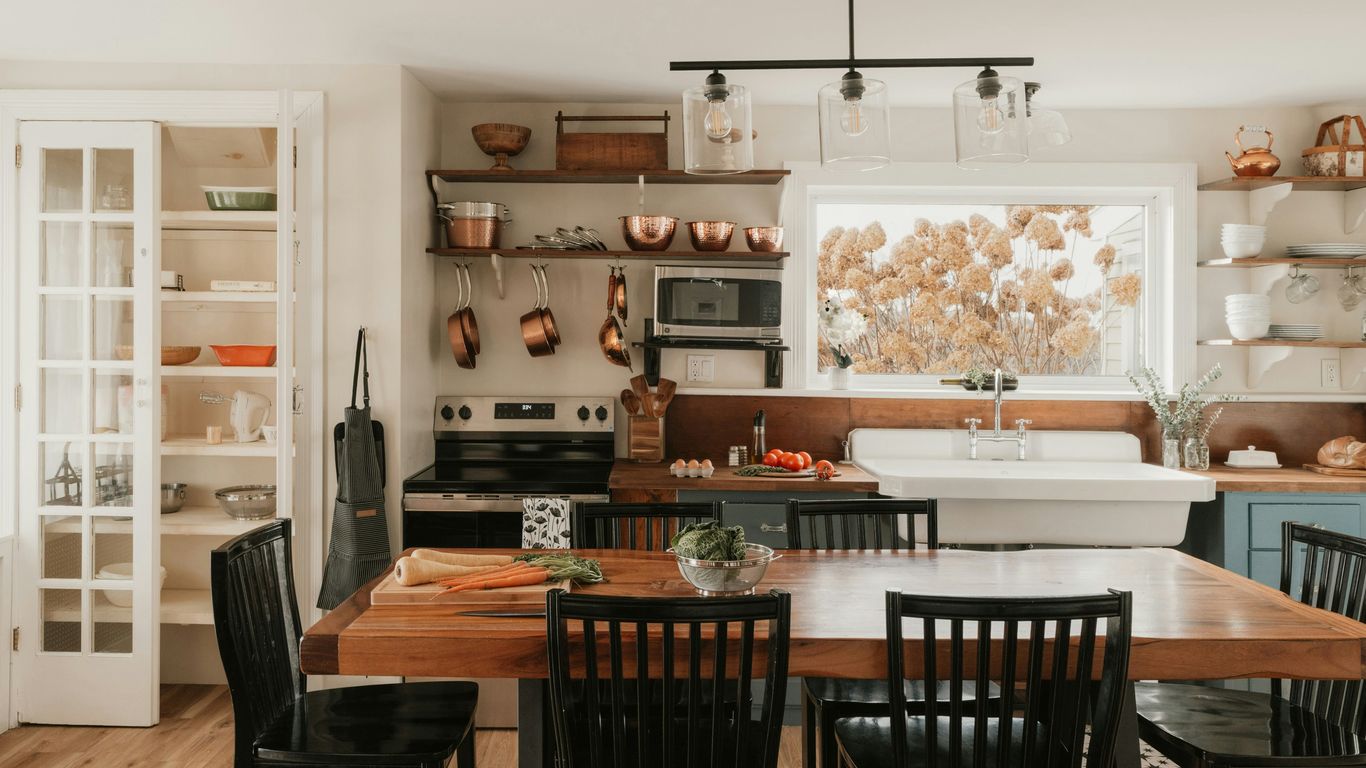
Open shelving, in its simplest form, refers to wall-mounted shelves that are exposed, lacking any doors or fronts. These can range from simple wooden planks to more elaborate floating designs. Their primary appeal lies in their ability to create a sense of openness and airiness, making smaller kitchens feel more expansive. They invite us to display our favorite dishware, cookbooks, or decorative items, turning functional storage into a visual statement. It’s a style that often aligns with modern, minimalist, or farmhouse aesthetics, where curated presentation is key. The visual impact of open shelving is undeniable, offering a lighter, more accessible feel.
Defining Closed Cabinets: Timeless Functionality
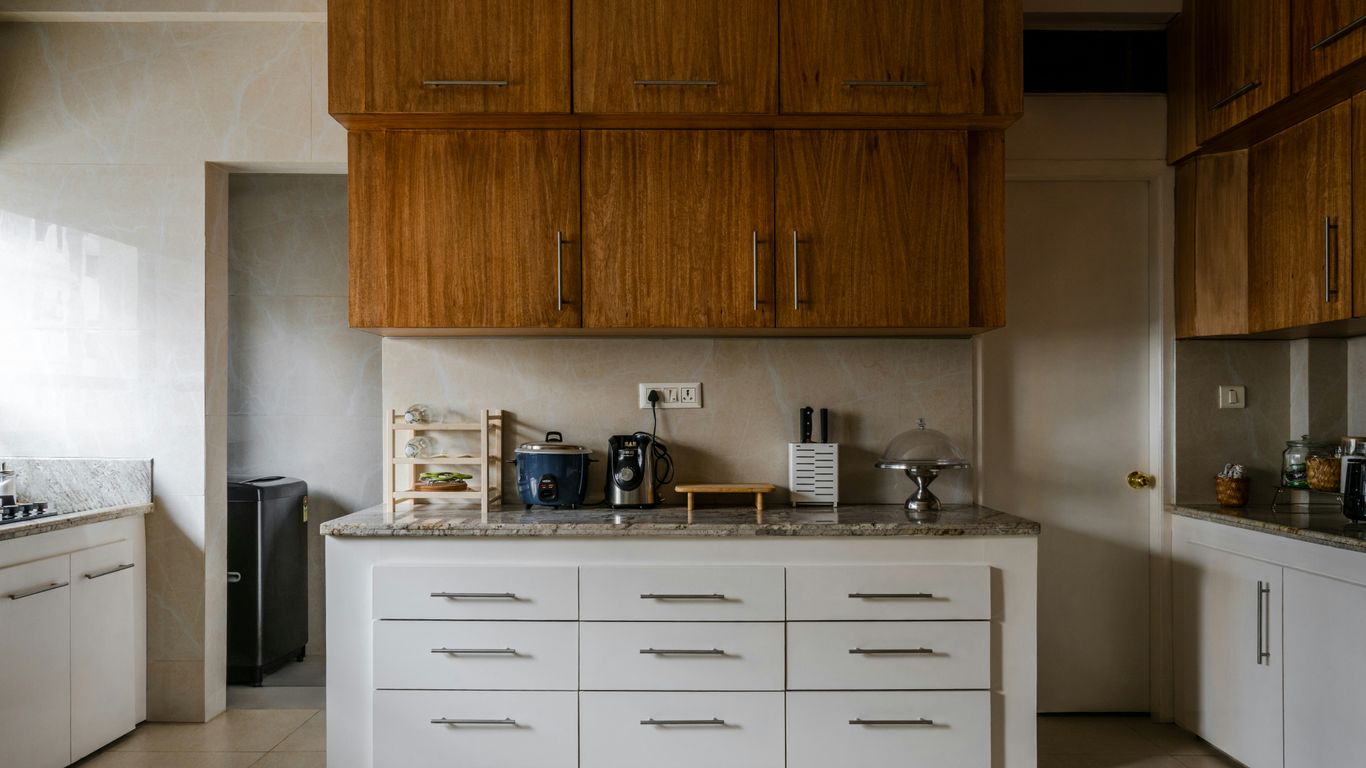
Closed cabinets, on the other hand, are the traditional workhorses of kitchen storage. Featuring doors that conceal their contents, they offer a clean, streamlined look and the practical benefit of hiding clutter. This approach is incredibly versatile, with styles ranging from classic Shaker to sleek, modern slab fronts. Closed cabinets provide a sense of order and polish, keeping everything from everyday plates to less-than-perfect pantry items neatly tucked away. They are the go-to for homeowners who prioritize a tidy appearance and robust storage capacity. We find that cabinet colors can significantly influence the mood of a kitchen, and closed cabinets offer a vast canvas for exploring these options.
The Core Difference: Display vs. Concealment
At its heart, the distinction between open shelving and closed cabinets is about intent: display versus concealment. Open shelves are designed to showcase what you own, making items readily accessible and part of the kitchen’s decor. This requires a certain level of organization and a willingness to keep things looking presentable. Closed cabinets, conversely, are built for hiding away, providing a buffer between your stored items and the visual field of the kitchen. This allows for a more relaxed approach to organization within the cabinets themselves, as the doors do the heavy lifting of maintaining a tidy appearance. Our choice here will shape how we interact with our kitchen daily, influencing both its look and its upkeep.
Aesthetic Considerations for Your Kitchen
When we approach a kitchen renovation, the visual aspect is often one of the first things that captures our attention. It’s about creating a space that not only functions beautifully but also speaks to our personal style. The choice between open shelving and closed cabinets significantly shapes this aesthetic, influencing how the entire room feels and looks.
The Visual Impact of Open Shelving
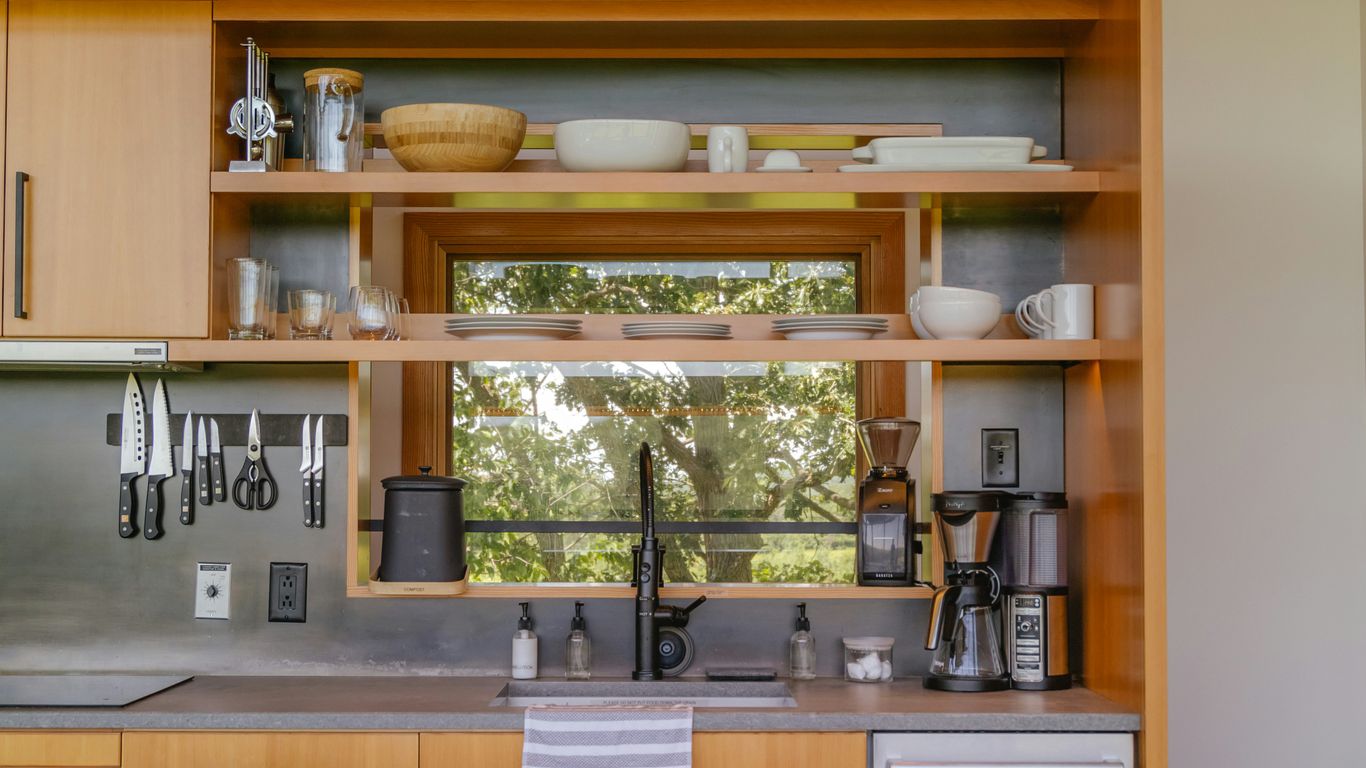
Open shelving brings a certain lightness to a kitchen. It can make a space feel more expansive and airy, especially in smaller kitchens, by removing the visual bulk of upper cabinets. This approach invites us to curate displays, turning everyday items like ceramic plates, glassware, or even decorative plants into decorative elements. It’s a wonderful way to add personality and a touch of modern flair. However, this openness demands a certain level of discipline; a cluttered shelf can quickly detract from the intended airy feel. It’s best suited for those who enjoy a tidy presentation and don’t mind items being on constant display.
The Polished Look of Closed Cabinets
Closed cabinets, on the other hand, offer a sense of order and refinement. They provide a clean, uninterrupted look that can make a kitchen feel incredibly polished. Whether we opt for sleek, minimalist designs or more traditional styles, closed cabinets allow us to conceal everyday necessities, maintaining a streamlined appearance. This is particularly appealing if we prefer a kitchen that looks perpetually tidy, hiding away the less aesthetically pleasing aspects of meal preparation and storage. Modern innovations in cabinet design mean they can feel anything but dated, offering a sophisticated foundation for any kitchen style.
Creating a Cohesive Kitchen Style
Ultimately, the goal is to create a kitchen that feels harmonious and reflects our taste. Open shelving can be a fantastic way to showcase unique backsplashes or interesting wall treatments, acting as a focal point. We might use it to display a collection of artisanal pottery or to highlight a beautiful piece of kitchenware. Conversely, closed cabinets provide a consistent backdrop, allowing other design elements, like countertops or lighting fixtures, to take center stage. Often, the most successful designs blend both approaches, using open shelves strategically for display and closed cabinets for bulk storage, striking a balance that is both beautiful and practical. Thinking about how these elements work together is key to achieving a truly cohesive look that we’ll love for years to come. It’s about making choices that align with our lifestyle and our vision for the heart of our home, and understanding how personal habits influence design is a good starting point for designing a functional kitchen.
Functionality and Daily Use
When we think about how a kitchen performs, it’s less about looks and more about how it helps us each day. Whether we reach for a coffee mug first thing in the morning or put away pots after dinner, the choice between open shelving and closed cabinets makes a real difference.
Ease of Access with Open Shelving
Open shelving brings all our kitchen essentials into plain view, making the daily routine fast and smooth. Grabbing a plate or glass is as easy as reaching out—no doors to open, no handles to pull. For folks who cook a lot or want to move quickly, this can make all the difference.
- Everything you need is always within arm’s reach
- Perfect for dishes, glassware, or ingredients you use every day
- Encourages us to keep things tidy since they’re visible
However, this setup can be a challenge if we’re not naturally tidy or have a large collection of mismatched kitchenware. Clutter shows up quickly on open shelves and needs regular attention.
We find that open shelving delivers speed and convenience, but it asks for consistency—only the items we reach for often stay neat and useful.
The Practicality of Closed Cabinet Storage
Closed cabinets work behind the scenes to keep daily kitchen life running without fuss. We can hide away everything from blenders and baking trays to snacks and cleaning supplies. This creates a calm, uncluttered look and helps us keep the space organized, even if the insides of the cabinets don’t always match the polished exterior.
Some practical features modern cabinetry offers:
- Storage for large or oddly shaped tools
- Pull-out trays, organizers, and lazy Susans for easier access
- Reduced exposure to dust, grease, and kitchen spills
If we live with children or like to keep our gadgets out of sight, closed cabinets deliver a sense of order no open shelf can match.
Matching Functionality to Your Lifestyle
So how do we decide? Here’s a table that breaks down the daily pros and cons:
| Open Shelving | Closed Cabinets | |
|---|---|---|
| Daily Access | Immediate | May take extra steps |
| Organization | Highly visible; must tidy | Less visible; forgiving |
| Best For | Quick grab-and-go items | Bulk storage, appliances |
| Visual Appeal | Shows off design pieces | Maintains uniform look |
| Maintenance | Needs frequent cleaning | Easier, less frequent |
For us, the right solution comes down to honest reflection:
- Are we committed to keeping things tidy every day?
- Do we use a lot of different tools, or just a select few?
- Do we value quick access or prefer a peaceful, tidy appearance?
Sometimes, blending both options works best—using open shelves for a few favorites and cabinets for everything else can offer a smart mix of function and style.
Organization and Clutter Control
When we think about our kitchens, how we keep things tidy often dictates how we feel in the space. It’s not just about having a place for everything, but also about how easy it is to maintain that order day-to-day. This is where the choice between open shelving and closed cabinets really comes into play.
Maintaining Order on Open Shelves
Open shelving, while beautiful, asks a lot of us in terms of keeping things looking neat. Because everything is out in the open, any disarray is immediately noticeable. It means we have to be quite deliberate about what we display and how we arrange it. Think of it like a curated gallery; each item has its place and contributes to the overall look. If you have a collection of mismatched mugs or a jumble of spice jars, it can quickly make the kitchen feel busy. To truly make open shelves work, we need to embrace a ‘less is more’ philosophy and select items that are both functional and visually pleasing. This often means having a separate, hidden spot for less attractive necessities. For those who appreciate a styled look and don’t mind the extra effort, open shelves can be a charming feature. However, if your life is a bit more chaotic, or you simply prefer not to constantly fuss over appearances, this might not be the best fit. It’s about being honest with ourselves about our habits and how much time we’re willing to dedicate to upkeep. For a more polished look, consider how items are grouped and spaced on the shelves. For instance, grouping similar items together, like all your glassware or all your plates, can create a sense of order. We also find that using decorative boxes or baskets can help corral smaller items, keeping them tidy and out of sight while still being accessible. This approach helps maintain the airy aesthetic without sacrificing too much practicality. It’s a delicate balance, for sure. We’ve found that having a dedicated spot for everyday items, like a simple tray for frequently used utensils, can make a big difference. It keeps the main shelves looking clean and intentional. For more on keeping surfaces clear, you might find tips on organizing kitchen counters helpful here.
The Clutter-Concealing Power of Cabinets
Closed cabinets are the undisputed champions when it comes to hiding clutter. They offer a clean slate, allowing us to store everything from everyday dishes to seldom-used appliances without worrying about how it looks. This is a huge advantage for busy households or for anyone who simply prefers a more streamlined appearance. The ability to simply close a door means that a bit of everyday mess can disappear instantly. This is particularly useful for items that aren’t particularly attractive, like cleaning supplies or a collection of mismatched food containers. We’ve found that cabinets are incredibly forgiving. You can store things away without needing to arrange them perfectly, and the visual chaos is contained. This makes daily life feel a bit simpler, as you don’t have to constantly tidy up visible storage. It’s a practical solution that allows the kitchen to feel calm and orderly, even when life is hectic. For those who value a tidy appearance with minimal fuss, closed cabinets are a fantastic choice. They allow us to keep our kitchen looking its best without requiring constant attention to display details. The interior of cabinets can be further optimized with clever organizational tools. Think about pull-out shelves for heavy pots and pans, drawer dividers for utensils, or even specialized racks for lids. These additions mean that even the most packed cabinet can remain functional and easy to use. It’s about making the most of the hidden space. We also appreciate how cabinets protect items from dust and grease, meaning less time spent cleaning individual items and more time enjoying the kitchen. This is a significant benefit for busy families or anyone who wants to minimize their cleaning routine. For a more in-depth look at the benefits of closed storage, exploring options for kitchen cabinets with doors is a good idea here.
Strategies for Organized Kitchen Storage
Regardless of whether we lean towards open shelves or closed cabinets, effective organization is key to a functional kitchen. It’s about creating systems that work for our individual needs and habits. Here are a few strategies we’ve found helpful:
- Zone Your Kitchen: Designate specific areas for different tasks or types of items. For example, a baking zone with all your ingredients and tools, a coffee station, or a prep area. This makes finding what you need much quicker.
- Utilize Vertical Space: Don’t forget the height of your cabinets and shelves. Use shelf risers inside cabinets to create extra levels for plates or bowls, or consider wall-mounted racks for pots and pans if you have open shelving.
- Regular Decluttering: Even with the best organization, things can accumulate. Schedule a quick decluttering session every few months to go through items, donate what’s no longer needed, and reassess your storage solutions.
- Invest in Quality Organizers: While we avoid cheap fixes, investing in well-made drawer dividers, stackable containers, or turntables can make a significant difference in maintaining order and maximizing space. These are items that will last and serve you well over time.
Ultimately, the goal is to create a kitchen that feels both beautiful and practical. It should be a space where we can easily find what we need, keep things tidy with reasonable effort, and feel a sense of calm and order. The right storage solutions, whether open or closed, play a huge part in achieving that.
Maintenance and Cleaning Demands
We all want a kitchen that looks great and stays that way, but how much work are we really willing to put in? Let’s break down what it takes to maintain open shelving versus closed kitchen cabinets, both from a practical and day-to-day perspective.
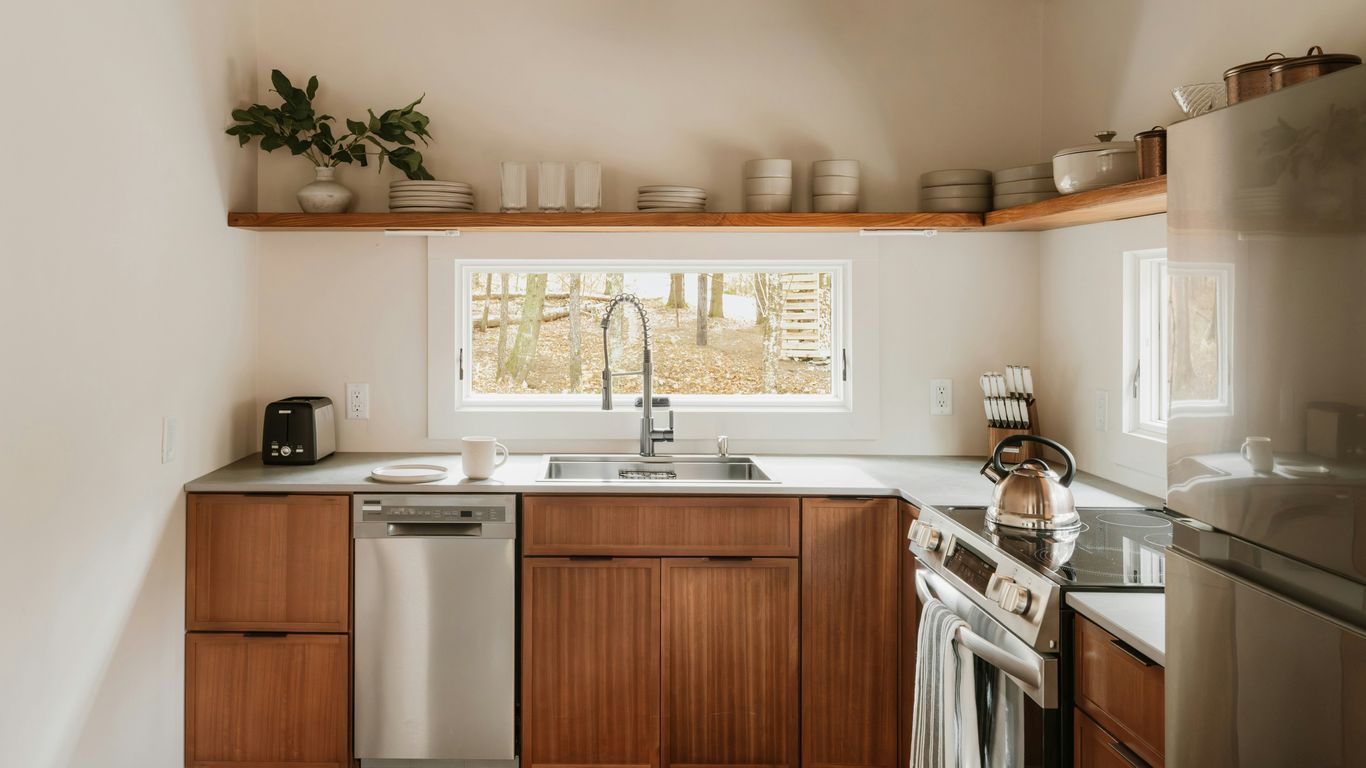
The Upkeep Required for Open Shelving
Open shelving is easy on the eyes but tough when it comes to maintenance. Every dish, bowl, and accent piece is out in the open—and exposed to all the hustle and mess of the kitchen. That means:
- Regular dusting is unavoidable, typically every week.
- Grease from cooking settles everywhere, so shelves and displayed items need frequent wiping.
- Even the most beautiful arrangement doesn’t hide grime for long.
Open shelving takes real commitment to keep looking sharp. Let’s face it, most kitchens generate more dust and splatter than we’d like to admit—especially if we cook often or entertain frequently.
We’ve found that open shelves can be stunning for display, but the ongoing effort to keep everything spotless needs to be part of the decision-making process.
The Low-Maintenance Appeal of Closed Cabinets
Closed cabinets make day-to-day life a little simpler. Doors shield our dishes and cookware from dust, residue, and even sunlight, so there’s less work required. Here’s the reality:
- Routine cleaning of cabinet exteriors—mainly doors and handles—usually gets the job done.
- The inside stays much cleaner, needing only occasional attention.
- Greasy film and sticky buildup are kept at bay, so deep cleans are rare.
If we value convenience and like things to be neat, closed cabinets provide a real advantage.
Cleaning Requirements Comparison Table
| Task | Open Shelving | Closed Cabinets |
|---|---|---|
| Dusting | Weekly | Rarely (interior) |
| Grease Removal | Frequently | Occasionally (doors) |
| Rearrangement | Regular | Seldom |
Evaluating Your Willingness for Cleaning
Let’s be honest with ourselves about what we can handle when life gets busy. Before we choose a kitchen style, it’s smart to ask:
- Are we comfortable spending extra time dusting and wiping?
- Do we like the routine of styling shelves, or would we rather close the door on everyday mess?
- Will keeping open shelves spotless still feel worth it in a year or two?
Taking the time to assess our habits and preferences goes a long way. A kitchen that’s easy to clean is one we’ll enjoy for years to come.
In the end, choosing between open shelving and closed cabinets isn’t just about appearance. It’s about how much time and effort we’re prepared to invest to keep our kitchen looking its best.
Storage Capacity and Space Utilization
When we think about our kitchens, storage is often at the forefront of our minds. It’s not just about having a place for everything, but also about how efficiently we can use the space we have. This is where the choice between open shelving and closed cabinets really comes into play.
Maximizing Storage with Closed Cabinets
Closed cabinets are, without a doubt, the workhorses of kitchen storage. They are designed to hold a significant amount of items, from bulky pots and pans to everyday dishes and pantry staples. Their enclosed nature allows us to utilize vertical space more effectively, stacking items higher than we typically would on open shelves. Many cabinets can also be fitted with clever internal solutions like pull-out drawers, spice racks, or dividers, which help keep things organized and accessible. For households that have a lot of kitchenware or enjoy cooking elaborate meals, closed cabinets offer the most practical and secure storage.
The Display-Focused Storage of Open Shelves
Open shelving, on the other hand, approaches storage with a different philosophy. Its primary strength isn’t in sheer volume, but in making frequently used items readily available and visually appealing. Think of your favorite mugs, everyday plates, or frequently used spices. Having these on open shelves means less time spent opening and closing doors, which can be a real convenience. However, this approach means that everything on display needs to be presentable. Open shelves are best suited for those who appreciate a curated look and have a manageable amount of kitchenware. If you’re looking to maximize every inch of storage for less aesthetically pleasing items, open shelves might not be the most efficient solution. They can make a kitchen feel more open, but at the cost of concealed storage capacity [d0fa].
Optimizing Storage in Various Kitchen Sizes
How we optimize storage often depends on the size of our kitchen. In smaller spaces, the temptation might be to go all open shelving to make the room feel larger. While this can help visually, it can also lead to a storage deficit if not planned carefully. It’s important to remember that open shelving requires a bit of breathing room to avoid looking cluttered [1ffb]. In larger kitchens, we have more flexibility. We can often incorporate a mix of closed cabinets for bulkier items and pantry goods, alongside open shelves for decorative pieces or frequently used dishes. This hybrid approach allows us to balance the need for ample storage with the desire for an open, inviting aesthetic. Ultimately, the goal is to create a kitchen that functions beautifully for our specific needs and lifestyle, whether that means maximizing every cubic inch or prioritizing easy access and visual appeal.
Budgetary Implications of Your Choice
When we think about renovating our kitchens, the budget is always a big part of the conversation. It’s not just about the look we want, but also about what makes financial sense for our homes. Choosing between open shelving and closed cabinets definitely has a financial side to consider.
The Cost-Effectiveness of Open Shelving
Generally speaking, open shelving tends to be the more budget-friendly option. You’re looking at fewer materials – just the shelves themselves and the brackets to hold them up. This often means a lower upfront cost compared to full cabinet systems. Installation can also be simpler, sometimes even a DIY project if you’re handy, which saves on labor. For instance, basic wooden planks and metal brackets can create a stylish look without breaking the bank. This makes it an attractive choice if you’re trying to keep initial expenses down or if you’re working with a tighter renovation budget. It’s a way to add visual interest and display space without the significant investment that custom cabinetry requires.
The Investment in Quality Closed Cabinets
Closed cabinets, on the other hand, represent a more substantial investment. They require more materials – wood, hardware like hinges and handles, and often more complex construction. Professional installation is usually recommended to ensure they function correctly and look polished. While the initial cost is higher, we see closed cabinets as a long-term investment. High-quality cabinets are built to last for decades, and they significantly contribute to your home’s resale value. Buyers often appreciate the ample, concealed storage that closed cabinets provide. Think of it as investing in the core functionality and enduring appeal of your kitchen. For example, a well-designed custom cabinetry system can transform not just your kitchen but also add lasting value to your property.
Balancing Aesthetics and Affordability
It’s not always an either/or situation. Many homeowners find a happy medium by combining both open shelving and closed cabinets. This hybrid approach allows us to get the best of both worlds. We can use open shelves for displaying decorative items or frequently used dishes, which is generally less expensive. Then, we can use closed cabinets for bulk storage of pantry items, appliances, or less attractive essentials. This strategy helps manage costs while still achieving a beautiful and functional kitchen. For example, you might opt for closed cabinets for your main storage needs and add a few open shelves above a sink or in a corner for a touch of personality. This thoughtful balance can lead to a kitchen that feels both luxurious and practical, without overspending. It’s about making smart choices that align with both your vision and your wallet, much like understanding the baseline cost of basic kitchen cabinets can help frame your overall budget.
When considering the budget, it’s wise to look beyond the initial price tag. Think about the longevity of the materials, the potential impact on your home’s resale value, and how the chosen solution fits your long-term lifestyle needs. A higher initial investment in quality closed cabinets can often prove more economical over time due to their durability and timeless appeal.
Design Flexibility and Customization
Customizing Closed Cabinet Styles
When we think about closed cabinets, it’s easy to picture a standard look, but the reality is far more varied. We can tailor the appearance of closed cabinets to fit almost any kitchen aesthetic. This means selecting from a wide array of door styles, from the clean lines of Shaker to the more ornate details of traditional designs. Beyond the doors themselves, the hardware—knobs and pulls—offers another layer of personalization. These small details can significantly alter the overall feel, whether we’re aiming for a sleek, modern look or a warm, rustic charm. It’s about creating a cohesive style that speaks to our personal taste and the home’s architecture. We can also explore different finishes and materials, ensuring the cabinets are not just functional but also a beautiful part of the kitchen’s design.
The Curated Display of Open Shelving
Open shelving, while seemingly simpler, also presents a unique opportunity for customization, albeit in a different way. It’s less about the structure and more about the presentation. We can choose the material and finish of the shelves themselves—perhaps a rich, dark wood to contrast with lighter walls, or a clean white to blend in. The real customization comes in how we arrange items on them. This is where we get to curate a display that reflects our personality and style. Think about grouping similar items, using decorative containers, or even incorporating small plants or art pieces. It’s about creating a visually appealing arrangement that feels intentional and personal. This approach allows us to change the look of our kitchen simply by rearranging the items on display, offering a dynamic way to refresh the space.
Integrating Shelving and Cabinetry
For many of us, the ideal kitchen doesn’t necessarily mean choosing one extreme over the other. A smart approach often involves a blend of both open shelving and closed cabinets. This hybrid model allows us to get the best of both worlds. We might opt for closed cabinets for everyday dishes, pantry items, and less attractive necessities, keeping the bulk of storage out of sight. Then, we can incorporate open shelves in strategic locations—perhaps above a coffee station for mugs and canisters, or in a corner to display favorite cookbooks or decorative pieces. This combination provides ample storage while also allowing for personal touches and a sense of openness. It’s a practical way to maximize storage efficiency, especially in smaller kitchens, by using open shelving to maximize small kitchen efficiency and create visual interest where needed, while closed cabinets handle the rest.
Impact on Kitchen Perception
How we choose between open shelving and closed cabinets has a real impact on the way our kitchens feel as soon as you walk in. The choices go past simple storage—they set the mood for the entire space and shape how guests and family members experience it every day.
Creating an Open and Airy Feel
There’s something almost freeing about walking into a kitchen and seeing rows of open shelves with well-placed dishes or glassware. Open shelving instantly makes small kitchens feel larger, because our eyes aren’t cut off by tall upper cabinets. We get uninterrupted lines and a sense of breathing room, as if the walls pulled back just a bit.
- Enhances perception of space, especially in compact kitchens
- Invites natural light to bounce around more freely
- Makes walls a canvas for color, tile, or even exposed brick
Minimalist kitchen design often incorporates a few floating shelves, keeping clutter at bay but letting personality shine through.
Open shelving can reveal a tastefully curated, personalized kitchen—so long as we’re good with a little visual exposure.
Achieving a Sleek and Streamlined Look
When we use closed cabinets thoughtfully, the kitchen feels instantly more polished. Thanks to full doors and uniform panels, everything tucks away and distractions disappear. If our style leans more toward timeless or modern luxury, this option works well because it shows off careful design choices without showing every mug or appliance.
- Hides mismatched or bulky items for uninterrupted surfaces
- Allows statement hardware or custom finishes to take center stage
- Supports any décor style, from ultra-modern to traditional with ease
For many of us, seeing less clutter means feeling less stressed in the heart of our home. When we’re ready to experiment, visiting a custom kitchen showroom can spark ideas on how to balance versatility and beauty. For instance, experiencing custom kitchen designs firsthand often inspires a clearer sense of what feels right for our household.
Enhancing Your Kitchen’s Overall Ambiance
Beyond just the visuals, the right shelving or cabinetry controls the mood. Is your kitchen a bustling, family-first command center or more of a showcase space for parties and gatherings?
Here are a few ways our choices affect perception:
- Open shelves make it easy for guests to help themselves and join the flow of kitchen life
- Closed cabinets keep things elegant and orderly, which some people find more peaceful
- Combining both (often called a hybrid approach) can help the kitchen appeal to a future homebuyer and feel tailored to our needs
| Feature | Open Shelving | Closed Cabinets |
|---|---|---|
| Feel | Airy and relaxed | Structured, clean |
| Visual interest | High (items on display) | Subtle (hardware, finishes) |
| Daily impression | Inviting, lived-in | Calm, neat |
When we reflect on these qualities, it becomes easier to decide how much display versus concealment we truly want to live with. There’s no one-size-fits-all, but aligning kitchen design with how we want it to feel—not just look—is the biggest key to long-lasting satisfaction.
Making the Right Choice for Your Home
Considering Your Kitchen Habits
When we think about our kitchens, it’s easy to get caught up in the aesthetics – the sleek countertops, the beautiful backsplash. But how we actually use the space day-to-day is what truly matters. Think about your morning routine: are you grabbing a mug and a box of tea, or are you pulling out a stand mixer and a collection of specialty baking pans? Your daily habits are a big clue. If your kitchen is a hub of constant activity, with multiple people cooking or preparing meals, closed cabinets offer a way to keep things tidy and out of sight. This is especially true if you have a lot of smaller appliances or gadgets that you use frequently but don’t necessarily want on display. On the other hand, if you enjoy a more curated display of your favorite dishes and glassware, and your cooking style is more about quick assembly than elaborate preparation, open shelving might feel more natural and accessible. Ultimately, the best kitchen design is one that supports your lifestyle, not one that dictates it.
Prioritizing Maintenance and Organization
Let’s be honest, no one enjoys spending hours cleaning their kitchen. The choice between open shelving and closed cabinets has a direct impact on how much upkeep is involved. Open shelves, while visually appealing, are magnets for dust and cooking splatters. This means more frequent dusting and wiping down to keep them looking their best. If you have a busy household or live in an area prone to dust, this can become a significant chore. Closed cabinets, by contrast, offer a protective barrier. They keep items free from dust and grease, making them a much lower-maintenance option. This practicality is a major draw for many homeowners who prefer to spend their time enjoying their kitchen rather than constantly cleaning it. If organization is a high priority, closed cabinets excel at concealing clutter, allowing for a more streamlined appearance even when things aren’t perfectly in place. For those who appreciate a tidy look without the constant effort, closed cabinets are often the more sensible choice.
The Hybrid Approach: A Balanced Solution
Sometimes, the decision doesn’t have to be all or nothing. Many of our clients find that a hybrid approach offers the best of both worlds. This involves strategically combining open shelving with closed cabinets to create a kitchen that is both beautiful and highly functional. For instance, you might opt for open shelves above your main prep area to display attractive dishware or cookbooks, while using closed cabinets for less sightly items like cleaning supplies, bulk pantry goods, or everyday dishes. This allows for a personalized touch and visual interest without sacrificing storage capacity or ease of maintenance. It’s a way to get that airy feel in certain areas while maintaining the practicality and clean look of closed storage elsewhere. This balanced solution can be particularly effective in kitchen design projects, allowing us to tailor the storage to specific needs and aesthetic goals. We can help you plan out the perfect mix to suit your home.
| Feature | Open Shelving | Closed Cabinets |
|---|---|---|
| Aesthetic | Airy, display-focused, curated | Polished, concealed, streamlined |
| Maintenance | Higher (dust, splatters) | Lower (protected from dust) |
| Organization | Requires constant tidiness | Hides clutter effectively |
| Accessibility | Items readily available | Items behind doors |
| Best For | Displaying decor, frequent use items | Storing everyday items, appliances, bulk goods |
Choosing the perfect look for your home can feel like a big decision. We’re here to help make it simple and fun! Explore our ideas and see how we can bring your dream space to life. Ready to start? Visit our website today to get a free estimate and begin planning your amazing home makeover!
Making the Final Choice for Your Kitchen
So, we’ve looked at both sides of the coin when it comes to open shelving versus closed kitchen cabinets. It really comes down to what works best for you and your household. If you love a clean, tidy look and don’t mind a bit of extra dusting, open shelves can really make your kitchen shine and feel more spacious. But if you prefer to keep things tucked away, need maximum storage, and want a bit less daily upkeep, closed cabinets are probably the way to go. Many people find a good balance by mixing both, using shelves for display and cabinets for the everyday essentials. Whatever you decide, think about how you use your kitchen day-to-day, and choose the solution that makes your space both beautiful and functional for years to come.
Frequently Asked Questions
What are the main differences between open shelving and closed cabinets in the kitchen?
Open shelving is made up of shelves without doors, so everything is out in the open and easy to see. Closed cabinets have doors that hide what’s inside, keeping things out of sight and protected from dust.
Which is easier to keep clean: open shelves or closed cabinets?
Closed cabinets are easier to keep clean because their doors block dust, grease, and splashes from getting on your dishes. Open shelves need more regular cleaning since everything is exposed.
Do open shelves offer as much storage as closed cabinets?
No, open shelves usually don’t hold as much as closed cabinets. Cabinets let you stack and store more items, including bulky pots and pans, while open shelves are best for lighter, display-worthy items.
Will open shelving make my kitchen look bigger?
Yes, open shelving can make a kitchen look more open and airy, especially in small spaces. But it only works well if the shelves are kept tidy and not overcrowded.
What style of kitchen works best with open shelving?
Open shelving fits best with modern, farmhouse, or Scandinavian kitchen styles. It’s great for people who like a minimalist look and want to show off their favorite dishes or decorations.
Are closed cabinets better for families with kids?
Yes, closed cabinets are safer and more practical for families with children. They keep sharp or breakable items out of reach and help keep the kitchen looking neat even when life gets busy.
Is it possible to mix open shelving and closed cabinets in one kitchen?
Absolutely! Many people choose a mix of both. For example, they might use open shelves for everyday dishes and closed cabinets for everything else. This gives you the best of both worlds.
Which option is more affordable: open shelving or closed cabinets?
Open shelving is usually less expensive because it uses less material and is easier to install. Closed cabinets cost more, especially if you want custom designs, but they offer more storage and protection.