The Ultimate Guide to Custom Kitchen Islands & Ideal Sizes
Thinking about a custom kitchen island? That’s a fantastic idea! It’s more than just furniture; it can really change how your kitchen works. Whether you’re cooking up a feast or just chatting with friends, a custom kitchen island can become the main spot in your home. Let’s figure out how to make one that’s just right for you.
Key Takeaways
- Figure out what you really need from your island before you start designing.
- Pick a shape and size that works with your kitchen’s overall layout.
- Think about adding built-in appliances for a super functional space.
- Plan out smart storage options to keep things neat and tidy.
- Choose a countertop that looks good and can handle daily use.
Defining Your Custom Kitchen Island Needs
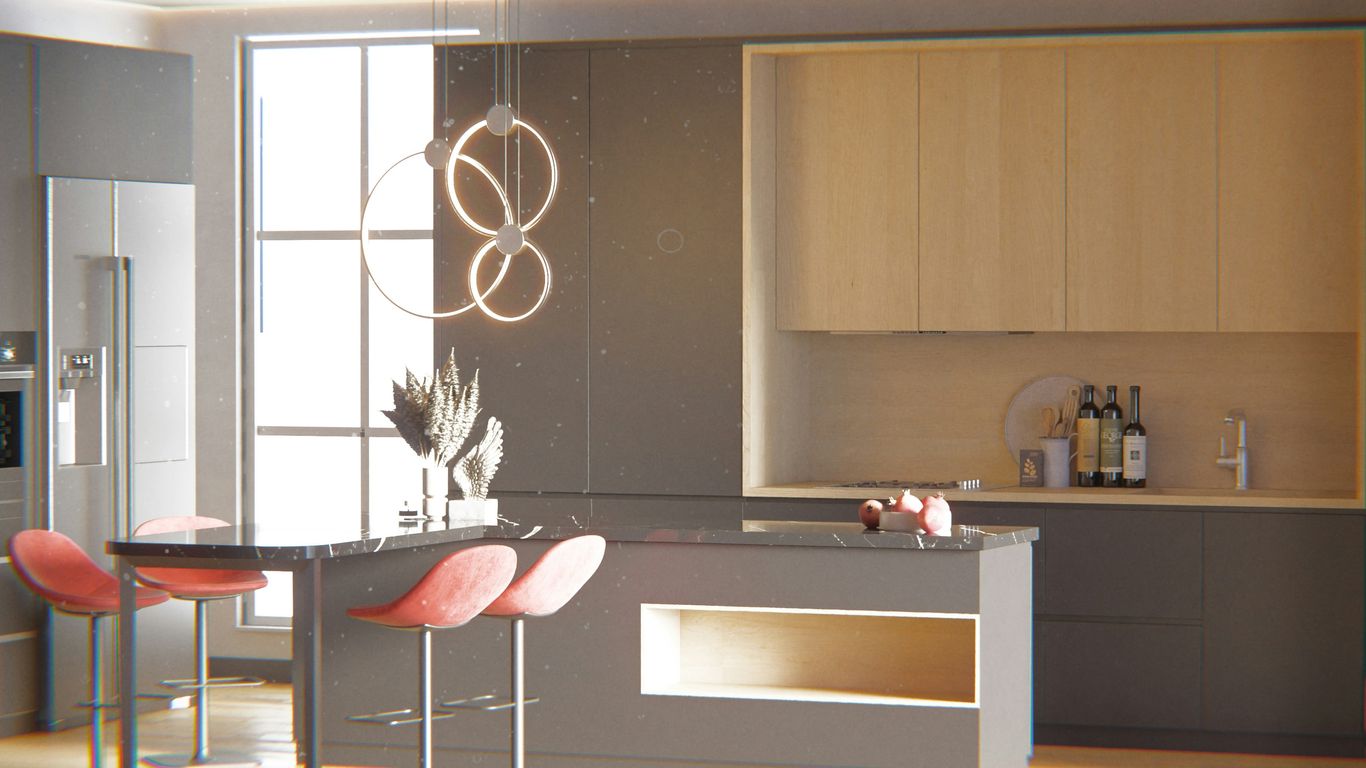
Before we even think about countertops or cabinet finishes, let’s talk about what you really need your kitchen island to do. This isn’t just about adding another surface; it’s about creating a functional centerpiece that genuinely improves how you use your kitchen every single day. We need to look at your habits, how you entertain, and who uses the kitchen.
Assessing Your Daily Kitchen Habits
Think about your typical day in the kitchen. Are you a morning person who just needs a spot for coffee and toast, or do you spend hours prepping elaborate meals? Do you bake often? Do kids use the kitchen for homework? Understanding these daily routines is the first step. For instance, a serious baker might want a wider island with a butcher block section and perhaps a built-in mixer lift. If you’re constantly chopping vegetables, a prep sink and easy access to knives and cutting boards become priorities. We want the island to support your actual life, not some idealized version.
Considering Entertainment and Socializing
Is your kitchen the place where everyone gathers? If you love hosting, your island needs to be more than just a workspace. Consider how guests interact with the kitchen. Perhaps you’d like seating so friends can chat with you while you cook. An under-counter beverage fridge can keep drinks handy without cluttering the main refrigerator. We should plan for enough space to comfortably hold appetizers and drinks during gatherings. It’s about making your kitchen a welcoming hub for everyone.
Planning for Family Size and Usage
How many people are in your household now, and do you anticipate that changing? A growing family might need more seating at the island for casual meals or homework sessions. More people also means a greater need for storage. Think about whether you’ll need space for multiple cooks to work simultaneously or if it’s primarily a single-user workspace. Considering these factors now helps create an island that will serve your family well for years to come. A well-designed island can be a fantastic addition to any kitchen remodel checklist.
We must approach the design of a custom kitchen island with a clear understanding of our personal needs and how we live. It’s an investment in our home’s functionality and enjoyment, so getting the foundation right is key.
Choosing the Perfect Custom Kitchen Island Shape and Size
Selecting the right shape and size for your custom kitchen island is a significant step in creating a kitchen that is both beautiful and highly functional. It’s not just about picking something that looks good; it’s about how well it integrates with your existing kitchen layout and how you actually use the space day-to-day. We want an island that fits perfectly, without making the kitchen feel cramped or awkward. Let’s explore how to get this right.
Selecting the Ideal Island Dimensions
The dimensions of your island should feel proportional to your kitchen. A massive island in a small kitchen can become a hindrance, while a tiny island in a large space might look a bit lost. We need to consider the length, width, and height to ensure it’s genuinely useful. Think about how much countertop space you realistically need for meal prep, serving, or even casual dining. Will seating be incorporated on one side? These questions help determine the ideal measurements.
Here’s a quick look at standard dimensions to consider:
| Dimension | Typical Range | Considerations |
|---|---|---|
| Length | 4 to 8+ feet | Prep space needs, seating capacity |
| Width | 2 to 4 feet | Single vs. multi-user workspace, traffic flow |
| Height | 36 inches (standard counter) | Bar height (42 inches), baking station (lower) |
Understanding Proportionality: The 10% Rule
A helpful guideline we often consider is the “10% rule.” This suggests that the island’s square footage should ideally be around 10% of your total kitchen’s square footage. This isn’t a strict law, but it’s a good starting point to avoid islands that are either too dominant or too insignificant for the room. For example, in a 200-square-foot kitchen, an island around 20 square feet (like a 6 ft x 3.3 ft island) would likely feel well-balanced. This principle helps maintain a harmonious flow and visual balance within your kitchen design.
Balancing Functionality and Aesthetics
Ultimately, the perfect island strikes a balance. It needs to serve your practical needs – whether that’s extra prep space, storage, or a casual dining spot – while also complementing the overall style of your kitchen. Think about how the island’s color and material will interact with your cabinet colors. A well-designed island isn’t just an addition; it becomes a central feature that enhances both the usability and the visual appeal of your entire kitchen space. We aim for an island that feels like it was always meant to be there.
Exploring Island Variations for Every Space
When we think about kitchen islands, it’s easy to get caught up in the idea of a grand, central feature. But the truth is, islands come in all shapes and sizes, and the best one for your home really depends on the kitchen you have. We’ve seen so many kitchens, and it’s always fascinating how an island can transform a space, whether it’s tiny or sprawling.
Compact Solutions for Smaller Kitchens
Don’t think for a second that a smaller kitchen means you have to skip the island altogether. We’ve found that clever design can make even the most modest kitchens feel more functional with a well-chosen island. These aren’t your grandmother’s bulky islands; they’re smart, often multi-functional pieces designed to maximize every square inch. Think slim profiles, perhaps with a pull-out cutting board or hidden storage. Some even have drop-leaf extensions that can be folded down when not in use, giving you extra prep space or a casual spot for a quick meal without taking up permanent real estate. It’s all about making the most of what you have, and these compact options really deliver.
- Foldable or extendable surfaces: Great for adapting to different tasks.
- Slim designs with hidden storage: Keeps clutter out of sight.
- Multipurpose functionality: Acts as a prep area, dining spot, or extra counter.
These are particularly brilliant for apartments or galley kitchens where every bit of space is precious. They bring a lot of utility without making the room feel cramped. We often see them used in urban homes where space is at a premium.
Expansive Designs for Larger Layouts
Now, if you’re lucky enough to have a generous kitchen footprint, the possibilities for islands really open up. We’re talking about islands that become the true heart of the home, offering substantial workspace, ample seating, and integrated features. These aren’t just countertops on legs; they’re designed to be workhorses. Imagine an island with a built-in cooktop, a prep sink, or even a beverage fridge. They can be designed to accommodate multiple people working or socializing comfortably. The key here is balance; even in a large space, the island should feel proportionate and not overwhelm the room. We often look at how these larger islands connect to adjacent living or dining areas, making them a natural extension of the home’s flow. It’s about creating a statement piece that’s also incredibly practical for busy households.
The Versatility of Medium-Sized Islands
Many kitchens fall into the medium-sized category, and this is where we see a lot of flexibility. A medium-sized island can offer a great balance between functionality and space. It’s large enough to provide a decent amount of prep area and perhaps some casual seating, but not so big that it dominates the room or impedes traffic flow. These islands are often the most adaptable, fitting well into various kitchen layouts, from L-shaped to U-shaped configurations. We find that homeowners in this category often appreciate islands that can serve multiple purposes – a place for homework, a buffet during parties, or simply a spot to chat while dinner is being prepared. It’s about finding that sweet spot that adds convenience without compromise. For those exploring different kitchen layouts, understanding how an island fits into an L-shaped kitchen can be particularly insightful.
When considering island size, always think about how you’ll move around it. We recommend at least 36 inches of clearance on all sides for comfortable passage, and even more if you have multiple people working in the kitchen or plan to have seating.
Key Considerations for Island Placement and Flow
When we design a custom kitchen island, its placement is just as important as its size or style. A well-placed island doesn’t just look good; it makes your kitchen work better for you. It’s about creating a natural path for movement and making sure everything you need is within easy reach.
Maintaining Essential Clearance Around Your Island
Think of the space around your island as the kitchen’s highway. We need to make sure there’s enough room for everyone to get around without feeling cramped. Generally, we recommend at least 36 to 42 inches of clearance between the island and your surrounding countertops or appliances. This allows for comfortable passage, opening drawers, and even having two people work in the kitchen simultaneously. If you have a larger kitchen or plan for heavy traffic, aiming for 48 inches can make a significant difference. It’s a small detail that greatly impacts the daily usability of your kitchen.
Here’s a quick guide to clearance:
- Main Walkways: 36-42 inches minimum
- Between Island and Stovetop/Sink: 42-48 inches for comfortable work
- For Two Cooks: 48 inches or more
Proper clearance isn’t just about convenience; it’s a safety measure. It prevents accidents and makes working in the kitchen a much more pleasant experience for everyone.
Integrating Islands into Various Kitchen Layouts
We see islands fitting into all sorts of kitchen shapes and sizes. In a galley kitchen, a narrow island can provide much-needed prep space without blocking the main thoroughfare. For L-shaped or U-shaped kitchens, an island can act as a natural connector, defining the workspace and adding a central hub. Even in open-plan homes, the island becomes a key element, helping to delineate the kitchen area from the living or dining spaces. We always consider how the island’s shape and size will complement your existing kitchen layout and how it will feel to move around it.
Creating Distinct Zones in Open-Plan Homes
In homes where the kitchen flows into other living areas, the island is a fantastic tool for zoning. It can act as a visual divider, separating the culinary zone from the relaxation or dining areas. We can also incorporate different functionalities on each side of the island. For instance, one side might have a sleek countertop for serving drinks, while the other features a built-in cooktop or a prep sink, creating dedicated zones for specific activities. This thoughtful arrangement helps maintain a sense of order and purpose within a larger, open space, making it feel both connected and organized. Understanding essential kitchen island dimensions is key here to ensure it serves its zoning purpose without overwhelming the space.
Maximizing Functionality with Integrated Features
Your custom kitchen island is more than just a surface; it’s a dynamic hub designed to streamline your cooking, entertaining, and daily life. We believe in making every element work harder for you. This means thoughtfully integrating features that not only look good but also significantly boost your kitchen’s performance. Let’s explore how we can transform your island into a true powerhouse.
Incorporating Prep Sinks and Cooktops
Adding a prep sink to your island can dramatically improve your workflow. Imagine chopping vegetables on one side of the island and rinsing them in a conveniently located sink without having to cross the kitchen. This small addition saves steps and keeps your main sink area free for other tasks. Similarly, integrating a cooktop into your island can create an interactive cooking experience, allowing you to face your family or guests while you prepare meals. This setup is particularly effective in open-plan homes, turning cooking into a social activity. When considering a cooktop, we always prioritize proper ventilation to keep your kitchen air fresh and clean. For those who love to entertain or have a large family, a secondary sink is a game-changer for efficient meal preparation.
Adding Beverage Fridges and Wine Coolers
For the home entertainer or the connoisseur, a built-in beverage fridge or wine cooler within your island is a sophisticated touch. It keeps drinks perfectly chilled and readily accessible without cluttering your main refrigerator. This feature is ideal for hosting parties or simply enjoying a quiet evening. We can seamlessly integrate these appliances so they blend beautifully with your cabinetry, maintaining a clean and cohesive look. Having a dedicated spot for beverages means less traffic to the main refrigerator during gatherings, keeping your kitchen flow smooth. This thoughtful addition truly elevates your kitchen into a space designed for both comfort and hospitality. You might even consider custom millwork to house your collection, making it a true statement piece [c7b6].
Designing for Multi-Level Use and Workstations
We often design islands with multiple levels or distinct zones to accommodate various activities. This could mean a lower section for comfortable seating, a standard height workspace for food preparation, and perhaps a raised bar area for casual dining or conversation. Creating these distinct zones within the island itself helps organize different tasks and makes the space more versatile. For instance, one end could be a dedicated baking station with easy access to ingredients, while another section serves as a homework spot for children. This multi-level approach also adds visual interest and can help define different areas within an open-concept layout. We can also incorporate built-in electrical outlets to power laptops or small appliances, turning your island into a functional workstation.
A well-designed island with integrated features is the ultimate expression of a kitchen that works as hard as you do. It’s about creating a space that supports every aspect of your home life, from daily meal prep to grand entertaining.
Smart Storage Solutions for Your Custom Island
We all want a kitchen that looks good, but let’s be honest, it also needs to work. A custom kitchen island is a fantastic opportunity to pack in smart storage, keeping your countertops clear and your essentials within easy reach. It’s about making every inch count, so your kitchen feels less cluttered and more functional.
Leveraging Drawers and Pull-Out Shelves
When we think about custom cabinetry, drawers are often the first thing that comes to mind, and for good reason. They are incredibly versatile. Deep drawers are perfect for stowing away pots, pans, and larger appliances. We can design them to be just the right depth so you don’t have to dig around to find what you need. Then there are the more specialized pull-out shelves. These are brilliant for things like baking sheets, cutting boards, or even smaller appliances that you use regularly but don’t want on display. They slide out smoothly, giving you full access without having to strain or move other items.
Utilizing Open Shelving for Display
Open shelving isn’t just for looks; it can be a practical storage solution too. We often see it used to display beautiful cookbooks, decorative bowls, or even your favorite mugs. It adds a personal touch to your kitchen and makes frequently used items easily accessible. However, it does require a bit more upkeep to keep things looking tidy. We can integrate open shelving strategically, perhaps on one side of the island, to balance closed storage with an inviting display area. It’s a great way to add character and make your island feel like a true part of your home.
Concealing Trash and Recycling Bins
One of the most effective ways to maintain a clean look in your kitchen is by hiding away the trash and recycling. Integrating bins directly into your custom island is a game-changer. We can design pull-out bins that are easily accessible when you need them but completely hidden when not in use. This keeps odors contained and, more importantly, keeps unsightly bins off your floor and countertops. It’s a simple feature that makes a big difference in the overall tidiness and flow of your kitchen. For more ideas on maximizing your island’s potential, you might find these creative storage solutions helpful.
A well-designed island should feel like an extension of your workflow, not an obstacle. Thoughtful storage integration means that everything you need is exactly where you expect it to be, making meal prep and cleanup far more efficient and enjoyable.
Selecting Countertop Materials for Durability and Style
Choosing the right countertop material for your custom kitchen island is a big decision. It’s not just about looks; it’s about how the surface will hold up to daily life in your kitchen. We want a material that’s both beautiful and tough, something that can handle everything from chopping vegetables to serving as a casual dining spot. Think of it as the main stage for all your kitchen activities.
The Enduring Appeal of Quartz
Quartz has become incredibly popular, and for good reason. It’s an engineered stone, meaning it’s made from about 90% natural quartz mixed with resins and pigments. This composition makes it exceptionally durable and non-porous. What does non-porous mean for you? It means it resists stains from things like wine, coffee, or tomato sauce, and it doesn’t need sealing like natural stone does. Plus, it comes in a vast array of colors and patterns, from solid whites and grays to convincing marble or granite looks. This consistency makes it easy to achieve a specific aesthetic for your kitchen.
The Natural Beauty of Butcher Block
For a warmer, more organic feel, butcher block is a wonderful choice. Made from solid wood, it brings a natural texture and inviting look to your island. It’s also fantastic for food preparation because it’s gentler on knives than harder surfaces. However, wood does require more care. It needs regular oiling to keep it protected and looking its best, and it can show knife marks or water spots if not maintained properly. Despite this, many homeowners find the rustic charm and tactile quality of butcher block well worth the upkeep.
Exploring Contrasting Material Combinations
Don’t feel limited to just one material for your entire island countertop. Mixing materials can add visual interest and functional benefits. For instance, you might opt for a durable quartz surface for the main prep area and then incorporate a section of butcher block for a dedicated cutting zone. This approach allows you to combine the low-maintenance benefits of quartz with the warm, practical nature of wood. It’s a sophisticated way to design a truly custom look that also serves your specific needs. We’ve seen some stunning examples where a dramatic granite countertop is paired with a sleek, modern waterfall edge on the island, creating a real showstopper.
Here’s a quick look at how some popular materials stack up:
| Material | Durability | Maintenance | Aesthetics |
|---|---|---|---|
| Quartz | Very High | Low | Consistent, wide range of colors/patterns |
| Granite | High | Moderate | Unique natural patterns, heat resistant |
| Butcher Block | Moderate | High | Warm, natural wood, gentle on knives |
When selecting your countertop, always consider how you use your kitchen most. A busy family might prioritize stain resistance and ease of cleaning, while a passionate home cook might lean towards a material that excels in food preparation. Thinking about these daily habits will guide you toward the most practical and satisfying choice for your custom island.
Achieving Ergonomics and Comfort
When we design a custom kitchen island, we’re not just thinking about how it looks; we’re thinking about how it feels to use it every single day. That’s where ergonomics and comfort come into play. It’s about making sure your island works with you, not against you, making your time in the kitchen more pleasant and efficient.
Understanding Standard Counter Heights
Countertop height is a big deal for comfort. Most standard kitchen counters sit at about 36 inches high. This height is generally comfortable for most people when standing and doing tasks like chopping vegetables or mixing ingredients. However, if your island will also serve as a casual dining spot, we might need to adjust things. For seating areas, a higher counter, often around 42 inches (bar height), can work well, but it requires specific considerations for stool height and legroom. We want to avoid that awkward, knees-hitting-the-cabinet feeling.
Here’s a quick look at common heights:
| Height Type | Typical Height | Best For |
|---|---|---|
| Standard Counter | 36 inches | Food preparation, general tasks |
| Bar Height | 42 inches | Casual dining, quick meals |
| Counter Height | 30 inches | Seating with a 65-66 cm overhang [7721] |
Designing for Different User Needs
We all use our kitchens differently, and our islands should reflect that. If you’re particularly tall, we might raise the counter height slightly to prevent you from hunching over. Conversely, if shorter individuals will be the primary users, we can ensure the standard height is perfectly comfortable. Think about who will be using the island most often and for what activities. This thoughtful approach ensures the island is a pleasure for everyone in the household.
A well-designed island considers the physical needs of its users, making everyday kitchen tasks feel less like a chore and more like a natural extension of your movements. It’s about creating a space that feels intuitive and supportive.
Creating Comfortable Seating Areas
If seating is part of your island’s design, comfort is paramount. We need to ensure there’s enough legroom under the counter – typically, a 12-inch overhang is a good starting point for knee space. The type of seating also matters; comfortable stools with back support can make a big difference for longer periods of sitting. We also consider the spacing between stools if multiple people will be seated, allowing for personal space while still feeling connected. It’s about creating an inviting spot where family and friends will want to gather, not just perch for a moment. This thoughtful integration can truly make your island the heart of your home [86a0].
The Role of Lighting in Island Design
Lighting is more than just a way to see; it’s a design element that shapes how we feel and function in our kitchens. For a custom kitchen island, thoughtful lighting is key to making it both a practical workspace and an inviting gathering spot. We want our islands to be well-lit for tasks, but also to contribute to the overall atmosphere of our homes.
Task Lighting for Preparation Areas
When we’re chopping vegetables or following a recipe, good lighting directly above the work surface is non-negotiable. Pendant lights are a popular choice for this, and their placement is important. Generally, we aim for pendants that are about one-third the length of the island, spaced evenly. A common guideline is to hang them between 30 to 36 inches above the countertop. This height provides ample light without getting in the way. For islands that are 6 feet or longer, three pendants often create the best visual balance and coverage. If you’re considering specific fixture styles, exploring kitchen island lighting ideas can offer a wealth of inspiration.
Ambient Lighting for Overall Atmosphere
Beyond direct task lighting, we also need to think about the general mood of the kitchen. Under-cabinet lighting on the island itself, perhaps using LED strips or small puck lights, can cast a soft glow. This is perfect for those late-night snacks or early morning coffees when bright overhead lights feel too harsh. It adds a layer of warmth and sophistication to the space, making the island feel more approachable and less like a purely utilitarian zone.
Decorative Fixtures as a Design Element
Our kitchen island lighting should also complement the style of our kitchen. The fixtures we choose become decorative elements in their own right. Whether we lean towards modern, rustic, or classic designs, the lights should tie into the overall aesthetic. It’s about creating a cohesive look. For instance, if our main kitchen cabinets are a deep navy, we might select pendants with a brushed brass finish to add a touch of warmth and contrast. The right fixtures can truly make the island a statement piece, and finding those perfect modern fixtures is part of the fun.
We find that the right lighting can transform a kitchen island from a simple workspace into the heart of the home. It’s about layering light to serve different purposes – bright and focused for cooking, soft and diffused for relaxing. This thoughtful approach makes the island a more functional and enjoyable space for everyone.
Avoiding Common Kitchen Island Pitfalls
When we embark on the journey of designing a custom kitchen island, it’s easy to get caught up in the excitement of possibilities. However, a few common missteps can turn a dream island into a daily frustration. We want to help you sidestep these issues so your island truly serves your home.
The Danger of Oversizing Your Island
It might seem counterintuitive, but bigger isn’t always better when it comes to kitchen islands. An island that’s too large can overwhelm your kitchen, making it feel cramped and difficult to move around. This is especially true in smaller or medium-sized kitchens where an oversized island can block essential pathways. We often see homeowners wanting the largest island possible, but functionality needs to lead the way. A good rule of thumb is that the island shouldn’t take up more than 10% of your kitchen’s total floor space. This ensures it feels integrated, not intrusive.
Ensuring Adequate Walkway Clearance
This is perhaps the most critical aspect of island placement. Insufficient clearance around your island can make your kitchen feel like an obstacle course. We need to think about how people will actually use the space. Can two people comfortably pass each other? Can cabinet doors and appliance doors open fully without hitting the island? Generally, we recommend at least 42 inches of clearance between the island and surrounding countertops or walls. If you often have two people working in the kitchen simultaneously, aiming for 48 inches is even better. This space is vital for smooth movement and safe operation of kitchen elements. Proper layout choices are key to making these decisions effectively.
Neglecting Storage Needs
While the aesthetic appeal of an island is important, its practical storage capabilities are what make it a true workhorse. It’s easy to focus on the countertop space and seating, but we must also consider what will be stored within the island itself. Think about your daily needs: where will pots and pans go? What about spices, small appliances, or even trash and recycling? Failing to plan for adequate storage can lead to clutter on your beautiful new countertop, defeating the purpose of a well-designed island. We advise thinking about custom drawer inserts, pull-out shelves, and even integrated bin systems to maximize every inch of space. Don’t let your island become just another surface to pile things on; make it work for you.
We’ve seen many beautiful islands that, upon closer inspection, lack the practical storage homeowners truly need. It’s about finding that balance between a clean look and having a place for everything, so your kitchen remains functional and enjoyable for years to come. Consider what you’ll be storing before the cabinets are built.
Here are some storage ideas to consider:
- Deep Drawers: Perfect for bulky pots, pans, and large serving dishes.
- Pull-Out Shelves: Great for smaller appliances or items you access frequently.
- Integrated Bins: Concealed compartments for trash and recycling keep the space tidy.
- Spice Racks/Drawer Inserts: Keep your cooking essentials organized and within easy reach.
When planning your kitchen, watch out for common mistakes with island placement. A poorly placed island can block walkways or feel too cramped. Make sure there’s enough room to move around comfortably and that it fits the overall flow of your kitchen. Thinking about your kitchen layout? Visit our website for more tips and to see how we can help you create your dream kitchen.
Bringing It All Together
So, we’ve walked through a lot about kitchen islands, from how big they should be to what they can do for your space. It really comes down to figuring out what you need your kitchen to do day-to-day. Whether you’re working with a cozy nook or a sprawling layout, the right island can make a huge difference. It’s not just about adding more counter space; it’s about creating a functional, beautiful heart for your home where memories are made. Take your time, consider your habits, and don’t be afraid to design something that truly fits your life. We think you’ll love the result.
Frequently Asked Questions
What exactly is a custom kitchen island?
A custom kitchen island is like a tailor-made piece for your kitchen. Instead of buying a standard one, we design and build it specifically for your space and how you like to cook and live. This means it fits perfectly and has all the cool features you want, like special storage or built-in gadgets.
How do we figure out what we need from our island?
We take a close look at your everyday kitchen life. Do you love to bake? Do you host lots of friends? Do you have a big family? Thinking about these things helps us decide on the best size, shape, and special features for your island to make your kitchen work better for you.
What’s the best size and shape for our island?
The ideal size and shape really depend on your kitchen’s layout and how much room you have. We make sure the island fits comfortably, leaving plenty of space to walk around. It should feel just right – not too big to make things feel cramped, and not too small to be useful.
Can we put appliances in our kitchen island?
Absolutely! Adding things like a microwave drawer, a small fridge for drinks, or even a second sink can make your island incredibly handy. It helps keep your main counters clear and makes cooking or entertaining much smoother.
What are some clever storage ideas for a custom island?
We can build in all sorts of smart storage! Think custom cabinets, drawers that slide out easily, open shelves to show off nice dishes, and even hidden spots for trash and recycling. This keeps your kitchen looking neat and makes sure everything you need is right where you want it.
How much space should we leave around the island?
It’s super important to have enough room to move around your island easily. We usually suggest at least 3 to 4 feet of clear space on all sides. This makes sure everyone can walk through the kitchen without bumping into things, especially when multiple people are using it.
What’s the ‘10% rule’ for island size?
The 10% rule is a simple guideline that suggests your island’s floor space shouldn’t be more than 10% of your total kitchen floor area. This helps keep everything in balance and stops the island from taking over the whole room.
Why is the island’s height important?
The height of your island matters for comfort and how you use it. Standard counter height is usually 36 inches, which is great for prepping food. But sometimes, a taller section for bar seating (around 42 inches) or a lower section for baking can be really useful, depending on your needs.