Are Custom Cabinets Worth It? Cost, Resale Value & When They Make Sense
When we think about renovating our kitchens, cabinets often come up as a major decision point. We know they take up a lot of space and really set the tone for the whole room. So, are custom cabinets the way to go? We’ve looked into the costs, the long-term value, and when it truly makes sense to invest in custom cabinetry for our homes.
Key Takeaways
- Custom cabinets offer a perfect fit for any kitchen space, using every inch effectively without awkward gaps.
- While they represent a higher upfront cost, custom cabinets are built with superior materials and craftsmanship, leading to greater durability and longevity.
- We gain complete design freedom with custom cabinets, allowing us to personalize every detail from style and finish to storage solutions.
- Custom cabinetry can increase a home’s resale value, particularly in higher-end markets or for homeowners planning to stay long-term.
- For those on a tighter budget, facing a quick renovation, or not planning to stay long in their home, semi-custom or stock cabinets might be a more suitable choice.
Understanding The Investment In Custom Cabinets
When we consider updating our kitchens, cabinets often come to the forefront. They are, after all, a significant visual and functional element. Investing in custom cabinetry is a decision that warrants careful thought, as it represents a substantial commitment to our homes. It’s about more than just storage; it’s about shaping the heart of our living space.
What Exactly Are Custom Cabinets?
Custom cabinets are built to order, specifically for your kitchen’s dimensions and your personal preferences. Unlike stock or semi-custom options, which come in standard sizes and limited styles, custom cabinets are made from scratch. This means every inch of your kitchen can be utilized, from awkward corners to unique architectural features. The process typically involves working closely with a designer or cabinetmaker who translates your vision into a tangible product. This bespoke approach ensures a perfect fit and a unique aesthetic that reflects your individual style.
The True Cost: What To Expect Financially
It’s no secret that custom cabinets come with a higher price tag than their mass-produced counterparts. The cost can vary widely, influenced by factors like the type of wood, the complexity of the design, the hardware chosen, and the labor rates in your area. While a general estimate for custom cabinets can range from $500 to $1,400 per linear foot, this is just a starting point. A typical 10×10 kitchen might see costs upwards of $8,000 to $20,000 or more. It’s an investment, certainly, but one that pays dividends in functionality and longevity. For homeowners looking to maximize their kitchen’s potential, custom cabinets are often a worthwhile investment.
Comparing Custom To Stock And Semi-Custom Options
Understanding the differences between cabinet types is key to making an informed decision. Stock cabinets are pre-made and come in a set range of sizes and styles. They are the most budget-friendly and quickest to acquire, often available off-the-shelf. Semi-custom cabinets offer a middle ground, allowing for some modifications to standard sizes and a wider selection of styles and finishes. They provide more flexibility than stock but less than fully custom. Custom cabinets, on the other hand, are built entirely to your specifications, offering unparalleled design freedom and a perfect fit for any space. This level of personalization and precision is what sets them apart.
The decision between stock, semi-custom, and custom cabinetry hinges on a balance of budget, timeline, and desired outcome. While stock offers speed and affordability, and semi-custom provides a blend of options, custom cabinetry delivers a truly bespoke solution tailored to your home’s unique needs and your personal aesthetic.
The Unparalleled Benefits Of Custom Cabinetry
When we consider upgrading our kitchens, cabinetry often takes center stage. It’s not just about storage; it’s about the heart of the home. Custom cabinets, while an investment, bring a set of advantages that are hard to match with other options.
Achieving A Perfect Fit For Any Space
One of the most significant benefits of custom cabinetry is its ability to fit your kitchen precisely. Unlike stock or even semi-custom options, custom cabinets are built to your exact measurements. This means no awkward gaps, no wasted space in corners, and no need for filler panels. Whether you have an unusually shaped room, a sloped ceiling, or simply want to maximize every available inch, custom solutions adapt. This meticulous fit not only looks better but also improves the overall flow and usability of your kitchen space. It’s about making your kitchen work for you, not the other way around.
Unlocking Full Design Freedom And Personalization
Custom cabinetry offers a level of design freedom that’s truly unparalleled. You have a say in everything, from the wood species and finish color to the door style, hardware, and internal configurations. This allows you to create a kitchen that perfectly reflects your personal style and complements the rest of your home’s aesthetic. You’re not limited by a manufacturer’s catalog; your imagination is the primary guide. This means you can achieve a look that is uniquely yours, setting your kitchen apart from the cookie-cutter designs often found in mass-produced options. It’s your chance to bring a specific vision to life, creating a space that feels both beautiful and deeply personal.
Experiencing Superior Craftsmanship And Durability
When you opt for custom cabinets, you’re often investing in superior craftsmanship. Skilled artisans build these cabinets with attention to detail that mass production simply can’t replicate. This typically means stronger joinery, higher-quality materials like solid wood or premium plywood, and finishes that are applied with greater care. The result is cabinetry that not only looks and feels more substantial but is also built to last for decades. This durability means fewer repairs and replacements over time, making them a sound long-term investment for your home. You can feel the difference in quality from the moment they’re installed.
The decision to go custom is about more than just aesthetics; it’s about investing in a functional, durable, and personalized heart of your home that will serve you well for years to come.
Maximizing Functionality With Smart Storage Solutions
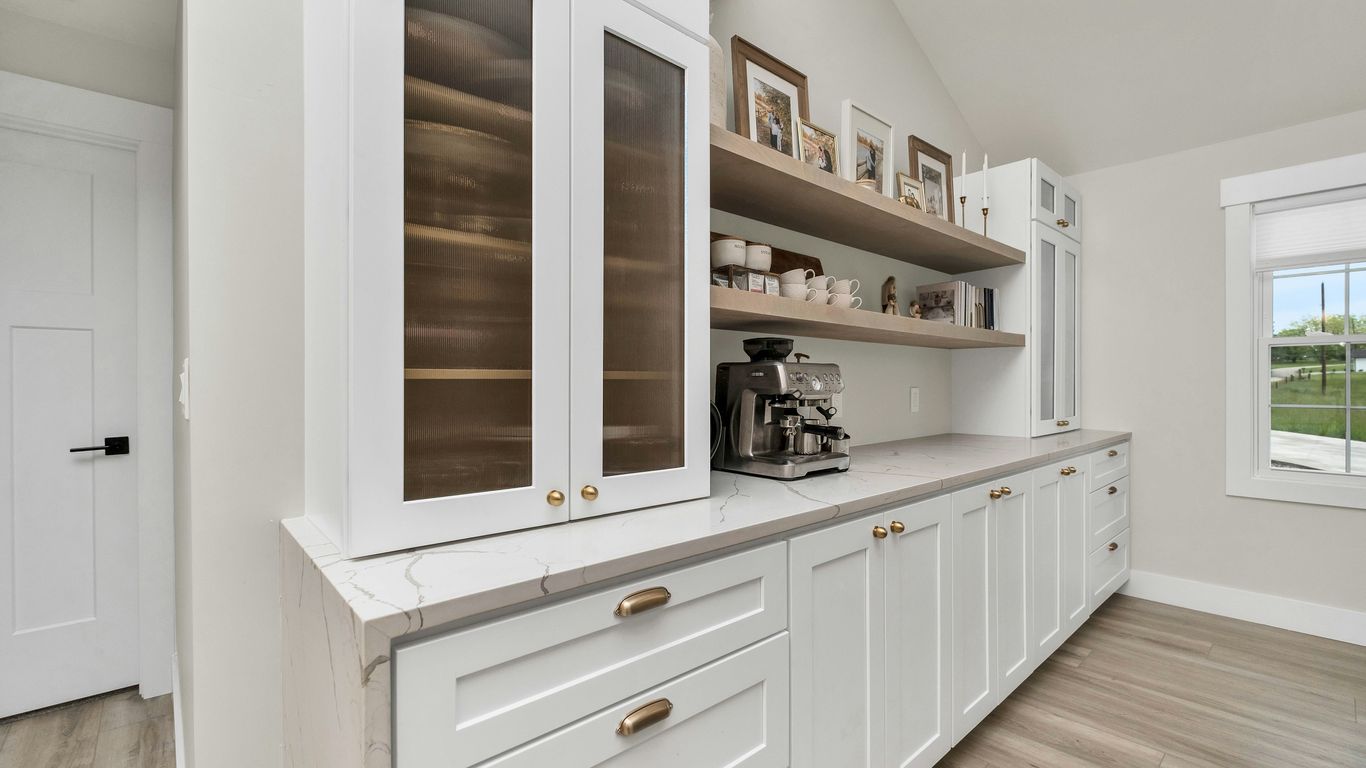
When we think about our kitchens, we often focus on how they look. But how they work for us day in and day out is just as important, if not more so. Custom cabinetry gives us a unique chance to really dial in the functionality, making everyday tasks smoother and more enjoyable. It’s about creating a space that truly supports how we live and cook.
Tailoring Storage To Your Unique Lifestyle
Think about your daily routine. Do you bake a lot? Are you a master organizer of spices? Or perhaps you need a dedicated spot for the kids’ school papers? Custom cabinets allow us to design storage that fits these specific needs perfectly. Instead of trying to make standard shelves work, we can build pull-out drawers specifically sized for your baking sheets, deep drawers for pots and pans, or even a built-in charging station for all your devices. This isn’t just about having more storage; it’s about having the right storage, placed exactly where you need it. It means less rummaging and more efficiency in your kitchen.
Integrating Innovative Organizers And Features
The beauty of custom work is that we can incorporate all sorts of clever solutions that aren’t typically found in off-the-shelf options. We’re talking about things like:
- Appliance garages: Keep your toaster, blender, or coffee maker tucked away but easily accessible.
- Pull-out trash and recycling bins: These can be hidden behind cabinet doors, keeping your kitchen looking tidy.
- Spice racks and drawer inserts: Custom-sized organizers mean every little item has its place.
- Corner solutions: Think Lazy Susans or pull-out shelves that make those awkward corner cabinets usable.
- Vertical dividers: Perfect for storing baking sheets, cutting boards, or platters upright.
These features might seem small, but they make a big difference in how smoothly your kitchen operates. They help keep countertops clear and make finding what you need a breeze. It’s about making the most of every inch of space.
Optimizing Workflow For Everyday Convenience
Ultimately, smart storage solutions in custom cabinets are designed to improve your kitchen’s workflow. This means arranging things so that the tools and ingredients you use most often are within easy reach. For example, placing pots and pans near the stove, or dishes and glasses near the dishwasher. We can also design cabinets with features like soft-close hinges and drawers, which add a touch of quiet luxury and reduce wear and tear over time. The goal is to create a kitchen that feels intuitive and effortless to use, reducing frustration and making cooking and cleanup a more pleasant experience. It’s about building a kitchen that works for you, not against you. This thoughtful approach to kitchen storage solutions can transform how you interact with your home every single day.
The Long-Term Value Proposition
When we think about renovating our kitchens, it’s easy to get caught up in the immediate aesthetic changes. But what about the lasting impact of our choices? Investing in custom cabinetry isn’t just about a beautiful kitchen today; it’s about building value that endures.
Durability That Stands The Test Of Time
One of the most significant advantages of custom cabinets is their inherent durability. Unlike mass-produced options, custom pieces are typically built with higher-quality materials and superior construction techniques. We’re talking about solid wood, stronger joinery, and meticulous attention to detail. This means they’re less prone to wear and tear, sagging, or damage over the years. While stock cabinets might need replacing within a decade or so, well-made custom cabinets can easily last 20 to 30 years, or even longer. This longevity translates directly into cost savings over time, as you won’t be facing frequent repairs or replacements. It’s a commitment to quality that pays off year after year.
Enhancing Your Home’s Marketability
When it comes time to sell your home, a kitchen with custom cabinetry can be a major selling point. Buyers often recognize and appreciate the superior quality, thoughtful design, and unique character that custom work brings. A well-designed, high-quality kitchen can significantly boost your home’s overall appeal and perceived value. It signals that the home has been cared for and upgraded with premium features. This can lead to a quicker sale and potentially a higher offer, especially in competitive real estate markets. Investing in custom cabinets is, in many ways, an investment in your home’s future saleability. Custom kitchen cabinets can significantly boost your property’s resale value.
The Return On Investment For Your Kitchen
So, are custom cabinets worth the financial outlay? For many homeowners, the answer is a resounding yes, particularly when viewed as a long-term investment. While the upfront cost is higher, the extended lifespan, reduced maintenance, and increased home value contribute to a strong return. Think about it: you’re not just buying cabinets; you’re investing in a functional, beautiful, and durable centerpiece for your home that will serve you well for years and potentially add tangible value when you decide to move. It’s about creating a space that not only meets your current needs but also appreciates over time. Investing in custom cabinets significantly boosts your home’s value.
When Custom Cabinets Make The Most Sense
We often find that custom cabinets are the right choice for homeowners when standard solutions just won’t cut it. It’s about more than just looks; it’s about making your kitchen work perfectly for you.
Addressing Unique Kitchen Layouts and Challenges
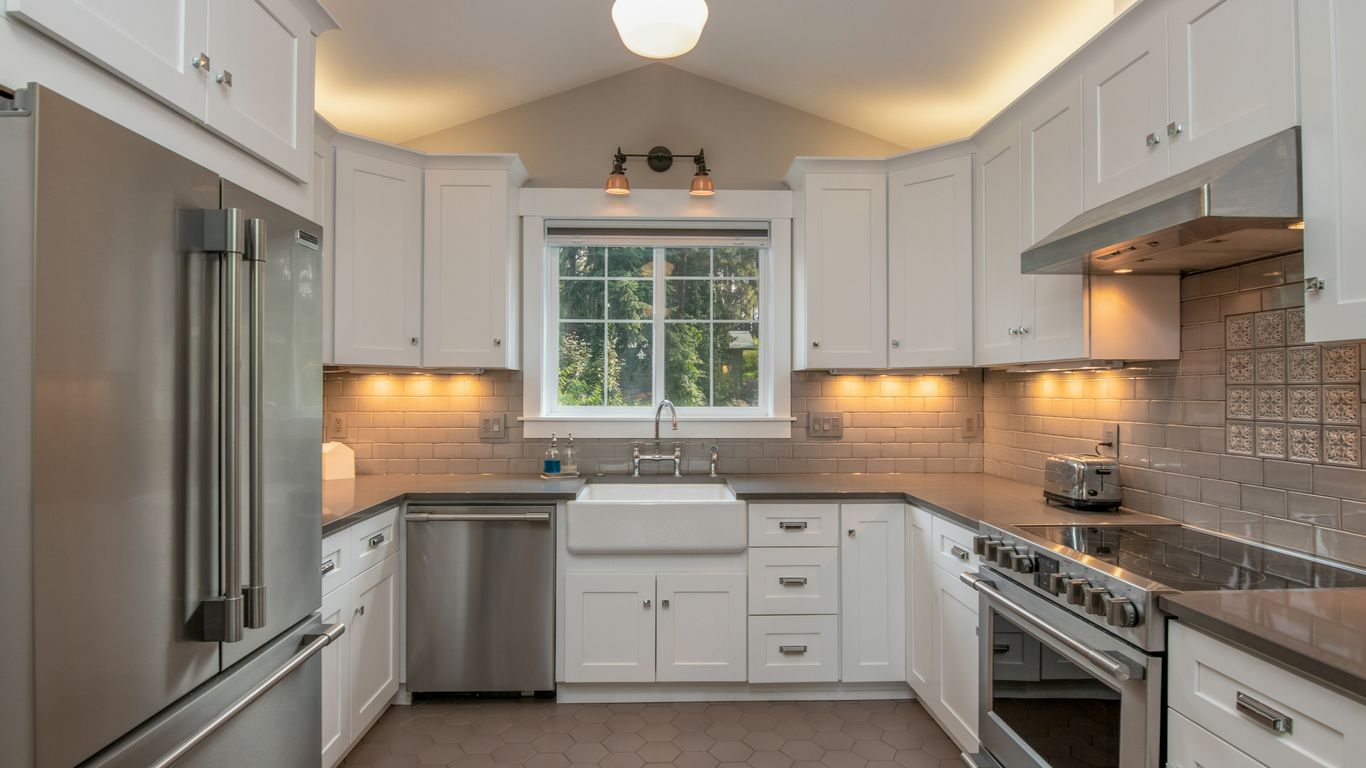
If your kitchen has an unusual shape, awkward corners, or specific architectural quirks, custom cabinets are often the most practical solution. Stock cabinets, with their fixed sizes, can leave wasted space or look out of place in non-standard layouts. Custom cabinetry, on the other hand, is built to your exact measurements, ensuring every inch of space is utilized effectively. This means no more awkward gaps or ill-fitting pieces. We’ve seen kitchens transformed by cabinets that perfectly hug a bay window or tuck neatly into a surprisingly shallow alcove. This precision fit not only looks better but also significantly boosts the functionality of your kitchen.
For Homeowners Planning To Stay Long-Term
If you see yourself living in your home for many years to come, investing in custom cabinets makes a lot of sense. These aren’t just a quick cosmetic upgrade; they are a long-term investment in your home’s comfort and value. Custom cabinets are typically built with higher-quality materials and superior craftsmanship, meaning they’ll stand up to daily use for decades. When you’re planning to stay, you can truly enjoy the personalized design and tailored storage solutions without worrying about needing to replace them anytime soon. It’s about creating a space that grows with you and your family.
When Quality and Uniqueness Are Top Priorities
For those who appreciate fine craftsmanship and desire a kitchen that truly reflects their personal style, custom cabinetry is the way to go. You have complete control over every detail, from the wood species and finish to the hardware and internal organization. This allows for a level of personalization that simply isn’t possible with off-the-shelf options. If you have a very specific aesthetic in mind or require specialized storage for unique items, custom cabinets allow you to bring that vision to life. It’s about creating a kitchen that is both a functional workspace and a beautiful expression of your taste. This approach can significantly improve your home’s marketability if you ever decide to sell.
When the goal is a kitchen that is perfectly tailored to your space, your needs, and your personal style, and you plan to enjoy it for years to come, custom cabinets offer an unparalleled level of satisfaction and lasting value.
Considering The Alternatives To Custom
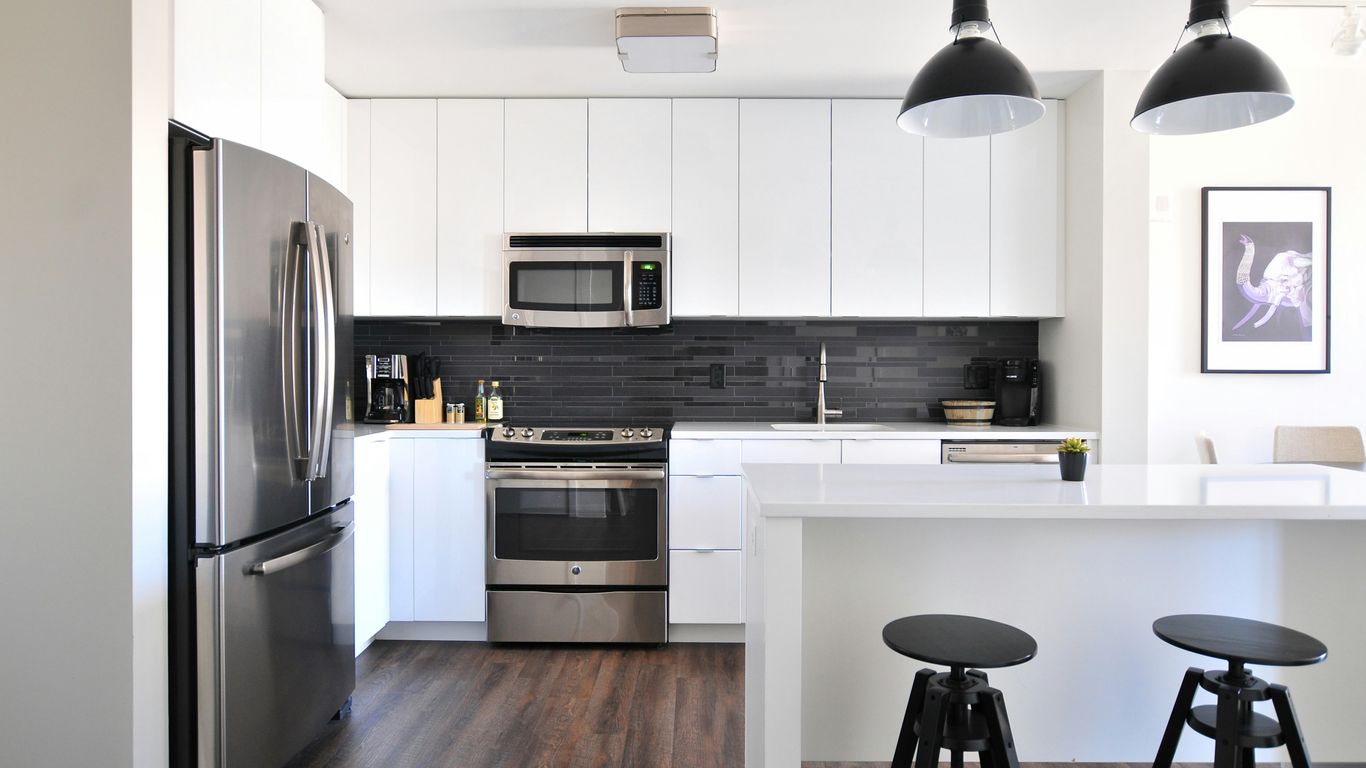
While custom cabinetry offers a truly bespoke solution, we understand it’s not always the perfect fit for every homeowner or every project. Fortunately, there are excellent alternatives that can provide beautiful, functional, and durable results without the full custom price tag or timeline. Exploring these options can help us make the most informed decision for our specific needs and budget.
Exploring The Middle Ground With Semi-Custom
Semi-custom cabinets represent a fantastic compromise, blending the quality and design potential of custom with the efficiency of manufactured units. These cabinets start with standard sizing, but then allow for a significant degree of personalization. We can often choose from a wider array of door styles, finishes, colors, and even internal configurations like drawer organizers or specialized pull-outs. This flexibility means we can tailor the cabinets to our kitchen’s layout and our storage needs more precisely than with stock options, while still benefiting from a more streamlined production process. It’s a smart way to get a high-end look and feel without the extensive lead times and costs associated with fully custom builds. Many homeowners find that IKEA cabinets combined with custom fronts fall into this category, offering a robust base with stylish, personalized doors and hardware.
When Stock Cabinets Are A Viable Choice
Stock cabinets are pre-made in a set range of sizes and styles, ready for immediate purchase and installation. Their primary advantage is cost-effectiveness and speed. If our budget is a primary concern, or if we need to complete a renovation on a tight schedule, stock cabinets can be an excellent solution. They are particularly well-suited for standard kitchen layouts where precise, custom measurements aren’t critical. While the customization options are limited compared to semi-custom or full custom, the market offers a surprising variety of popular styles and finishes, from classic shaker to modern flat-panel designs. For many, especially in rental properties or homes where long-term plans are uncertain, stock cabinets provide a functional and attractive upgrade without a significant financial commitment. Ready-to-assemble cabinets are a common type of stock option that can offer substantial savings.
Creative Solutions Like Refacing Or Standalone Furniture
Beyond traditional cabinet types, we can also consider more creative approaches. Cabinet refacing involves keeping the existing cabinet boxes and replacing only the doors and drawer fronts. This can dramatically update the look of our kitchen for a fraction of the cost of new cabinets, provided the original boxes are in good condition. It’s a sustainable option that minimizes waste and disruption. Another avenue is incorporating standalone furniture pieces, such as a vintage hutch or a freestanding island. These can add character, extra storage, and unique visual interest to our kitchen without requiring a full cabinet overhaul. These solutions allow us to address specific needs, like adding more counter space or display areas, with targeted and often more affordable interventions.
Factors Influencing Custom Cabinet Costs
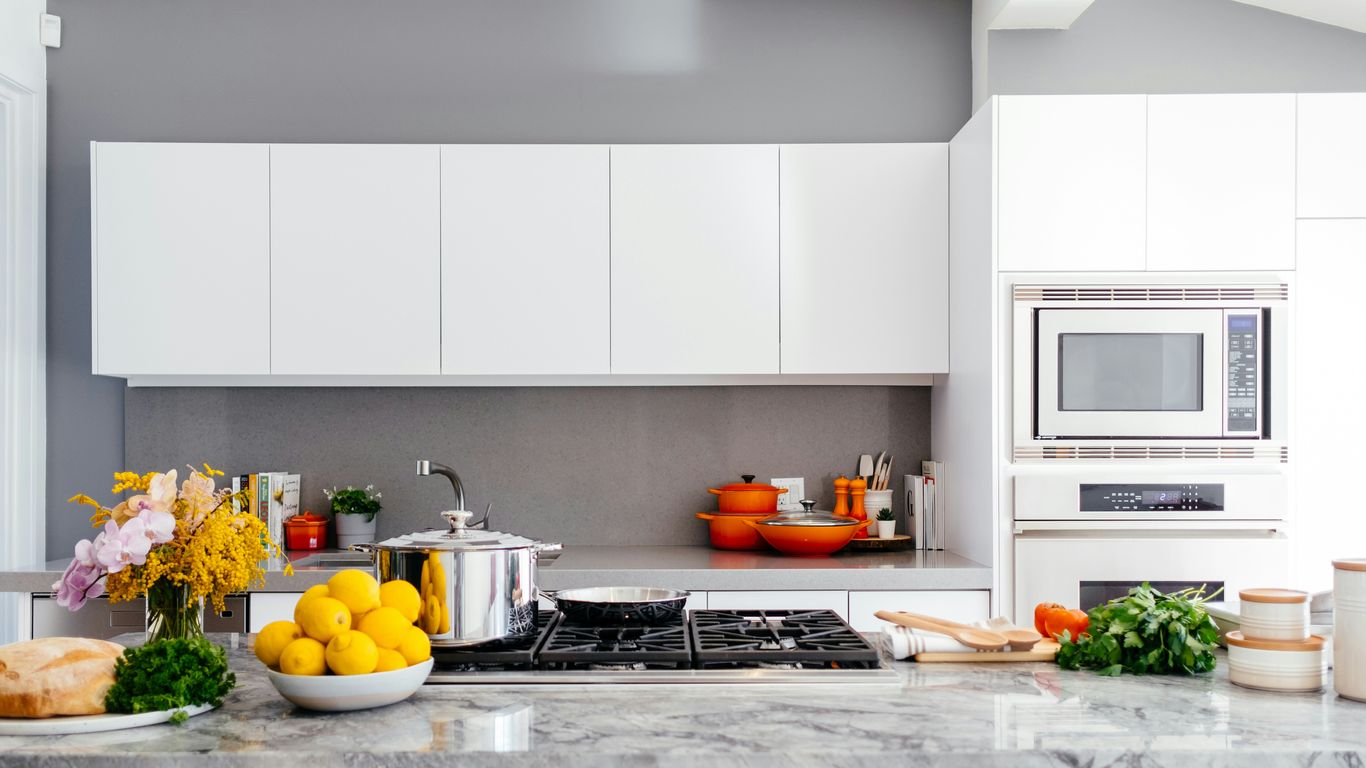
When we talk about custom cabinets, it’s important to remember that the price tag isn’t just about the boxes themselves. Several elements come into play, and understanding them helps us appreciate the investment. It’s not a one-size-fits-all situation, and that’s part of the beauty – and the cost – of custom.
Material Choices: Wood Types and Finishes
The wood we choose for our cabinets is a big one. Different species have different looks, durability, and price points. For instance, a rich, dense hardwood like walnut or cherry will naturally cost more than a softer wood like pine. Then there are the finishes. A simple, clear coat lets the natural grain shine through and is generally more affordable. On the other hand, intricate hand-applied stains, custom paint colors, or high-gloss lacquers require more labor and specialized materials, which adds to the overall expense. We often see homeowners balancing these choices, perhaps opting for a more budget-friendly wood species but splurging on a unique finish.
Design Complexity and Hardware Selections
How intricate do we want the cabinet doors and drawers to be? A simple shaker style or a clean, flat-panel slab is less labor-intensive than a deeply carved raised-panel door or a custom-milled profile. The more detailed the design, the more time and skill are needed from the craftspeople. Beyond the cabinet structure itself, the hardware we select plays a role too. While standard knobs and pulls are relatively inexpensive, high-end designer hardware, specialized hinges, or elaborate drawer slides with soft-close mechanisms can add up quickly. We also consider internal organizers – things like pull-out spice racks, tiered drawer inserts, or built-in dividers. These smart solutions, while fantastic for functionality, are custom-built additions that factor into the cost.
Local Labor Rates and Installation Expenses
It’s a simple truth: where we live impacts the cost of skilled labor. Cabinet makers and installers in areas with a higher cost of living will naturally charge more for their time and expertise. This isn’t just about the hourly wage; it also reflects the overhead costs for the workshop and the business. Installation is another significant piece of the puzzle. A straightforward kitchen layout might be quicker to install, but if we have an unusually shaped room, vaulted ceilings, or complex architectural features, the installation process will take longer and require more precision, thus increasing the labor cost. We always advise getting detailed quotes that break down both the fabrication and installation costs so we know exactly what we’re paying for.
The final price of custom cabinets is a blend of material quality, the intricacy of the design, and the skilled labor involved in bringing it all to life. It’s an investment in craftsmanship that pays dividends in both beauty and function for years to come.
Here’s a general idea of how different factors can influence the price:
| Factor | Impact on Cost | Notes |
|---|---|---|
| Wood Species | Moderate-High | Hardwoods (e.g., cherry, walnut) cost more than softwoods (e.g., pine). |
| Finish Type | Moderate | Custom paints, glazes, or high-gloss finishes add expense. |
| Door Style | Moderate | Complex profiles and raised panels cost more than simple slab doors. |
| Hardware | Low-Moderate | High-end pulls, knobs, and specialized hinges increase the price. |
| Internal Organizers | Moderate | Custom pull-outs, dividers, and inserts add to the total cost. |
| Labor Rates | High | Varies significantly by geographic location. |
| Installation | Moderate-High | Complex layouts or challenging spaces increase installation time. |
Making Informed Decisions For Your Kitchen
Deciding on kitchen cabinets can feel like a big step, and honestly, it is. We want to make sure we’re choosing something that fits not just our space, but also our lives and our long-term plans. It’s about balancing what we want with what makes practical sense for our home and our budget. Thinking through these points helps us get to a decision we’ll be happy with for years to come.
Balancing Budget With Desired Features
When we look at custom cabinets, the price tag is definitely a consideration. It’s easy to get excited about all the possibilities – unique finishes, specialized storage, and that perfect fit. But we need to be realistic about what we can comfortably spend. Sometimes, the dream features might need a little adjustment to fit within our financial plan. We can explore different material options or hardware choices to find a middle ground. For instance, while a rare hardwood might be beautiful, a more common, durable wood with a stunning finish can offer a similar aesthetic at a different price point. It’s about prioritizing what matters most to us. Do we need that pull-out spice rack, or is a slightly simpler drawer configuration acceptable if it means staying within budget? Thinking about these trade-offs is key.
- Prioritize your must-have features. What are the non-negotiables for your kitchen’s functionality and look?
- Explore material and finish options. Different woods and finishes have varying costs.
- Consider hardware. Knobs and pulls can significantly impact the overall look and price.
- Get detailed quotes. Understand exactly what’s included in the price.
Assessing Your Timeline and Project Needs
Our timeline plays a big role in the cabinet decision. If we’re planning a full kitchen renovation with a specific completion date, the lead time for custom cabinets becomes a critical factor. Custom builds take time – from design consultations and material ordering to fabrication and installation, it can easily be several months. If we need a quicker turnaround, stock or semi-custom options might be more suitable. We should also think about how long we plan to stay in our home. If we’re planning to move in a few years, a massive investment in custom cabinetry might not yield the return we hope for. However, if this is our forever home, the longer timeline for custom cabinets is often well worth the wait for a truly personalized space.
The decision between custom, semi-custom, and stock cabinets often hinges on how quickly you need the project completed and how long you intend to remain in your home. Each option has a different impact on your project schedule and future resale value.
Prioritizing Functionality Versus Aesthetics
It’s a classic dilemma: do we go for pure beauty or ultimate practicality? With custom cabinets, we have the incredible opportunity to have both. We can design storage solutions that perfectly match how we use our kitchen – think deep drawers for pots and pans, specialized dividers for utensils, or even integrated appliance garages. But we also need to consider the visual appeal. What style do we love? What colors and finishes will make our kitchen feel like home? Sometimes, the most functional layout might not be the most visually striking, and vice versa. Finding that sweet spot where our kitchen looks amazing and works perfectly for our daily routines is the ultimate goal. We can look at examples of kitchen remodels to get ideas for both form and function.
- Map out your daily kitchen activities. Where do you store things? What tasks do you perform most often?
- Consider specialized storage needs. Do you have a large collection of spices, specific cookware, or bulky appliances?
- Think about workflow. How can cabinet placement and features improve how you move around and cook in the kitchen?
- Balance visual appeal with practical use. A beautiful kitchen that’s hard to work in isn’t ideal, and a highly functional one that feels drab might not be either.
Potential Drawbacks Of Custom Cabinetry
While we often sing the praises of custom cabinetry, it’s only fair to discuss the other side of the coin. Investing in custom cabinets is a significant decision, and like any major home improvement, it comes with its own set of considerations that we should be aware of before we commit.
The Higher Upfront Financial Commitment
Let’s address the elephant in the room: cost. Custom cabinets are, without question, a premium choice. The price tag reflects the bespoke nature of the project, the quality of materials, and the skilled labor involved. While we see them as an investment in our home’s long-term value and functionality, the initial financial outlay is considerably higher than for stock or even semi-custom options. For instance, custom cabinetry can range from $500 to $1,200 per linear foot, whereas stock options might be closer to $100 to $650 per linear foot. This difference means that a substantial portion of a renovation budget will likely be allocated to the cabinets themselves.
Understanding The Extended Project Timeline
When we decide on custom, we’re opting for a process that requires patience. Unlike off-the-shelf cabinets that can be purchased and installed relatively quickly, custom cabinets are built from scratch. This involves several stages: detailed design consultations, material selection, fabrication in the workshop, finishing, and finally, installation. Each step requires precision and time. We should anticipate that the entire process, from initial order to final installation, can take anywhere from 8 to 12 weeks, and sometimes even longer, depending on the complexity of the design and the cabinet maker’s schedule. This extended timeline means we need to plan our renovation schedule carefully, especially if we’re living in the home during the process.
Navigating The Decision-Making Process
One of the joys of custom cabinetry is the freedom to choose every detail. However, this very freedom can also be a drawback. We’ll be faced with a multitude of decisions: wood types, finishes, door styles, hardware, internal organizers, and more. While working with a designer can help streamline this, the sheer number of choices can feel overwhelming. It requires us to have a clear vision for our kitchen’s aesthetic and functionality. Making these choices thoughtfully is key, as they are permanent and contribute significantly to the overall look and feel of our kitchen for years to come. It’s a process that demands our attention and thoughtful consideration at every turn.
Expert Tips For Maximizing Your Investment
When we decide to invest in custom cabinetry, we’re not just buying cabinets; we’re investing in the heart of our home for years to come. To make sure that investment truly pays off, a little thoughtful planning goes a long way. It’s about making smart choices now that will bring satisfaction and value later.
Choosing The Right Craftspeople And Designers
Finding the right people to bring your vision to life is probably the most important step. Don’t just rely on online reviews or the first name you find. We always recommend asking friends, family, or even your architect or designer for referrals. A personal recommendation often comes with a deeper insight into a craftsperson’s reliability, skill, and how they handle challenges. When you meet with potential cabinetmakers or designers, have a clear idea of what you want, but also be open to their professional suggestions. They’ve seen a lot and can often point out practical considerations or creative solutions you might not have thought of. It’s about building a partnership based on trust and shared goals.
Balancing Cost With Quality Materials
Custom cabinets offer a wide range of material choices, and the price can vary significantly. While it’s tempting to go for the most exotic wood or the highest-end finish, we find that a balanced approach often yields the best long-term value. Sometimes, opting for a beautiful, durable wood like maple or cherry with a well-applied stain can be just as stunning and far more cost-effective than a rare hardwood. Similarly, focusing on the quality of the cabinet box construction and drawer slides is often more important for longevity than a fancy veneer. Think about how the cabinets will be used daily. Are they in a high-traffic family kitchen or a more formal dining area? This will help guide where to splurge and where to save. For homeowners looking to balance budget with desired features, exploring options that offer a good mix of durability and aesthetic appeal is key. This page has some great ideas on how to allocate resources wisely.
Focusing On Timeless Design Over Fleeting Trends
Kitchens are a significant investment, and we want them to feel current and beautiful for many years. While it’s fun to see the latest design trends, choosing a style that’s too trendy can mean your cabinets look dated much sooner than you’d like. Instead, we suggest focusing on classic design elements. Think about clean lines, well-proportioned door styles, and hardware that complements your home’s overall architecture. A neutral color palette for the cabinets themselves often provides a versatile backdrop that can be updated with paint or accessories down the line. This approach not only keeps your kitchen feeling fresh longer but also tends to be more appealing to a wider range of potential buyers if you ever decide to sell. It’s about creating a space that feels both personal and enduring.
When making decisions about your custom cabinets, consider the overall flow and functionality of your kitchen. A well-designed layout that makes everyday tasks easier will always be in style and add practical value to your home.
Want to get the most out of your money when you’re fixing up your kitchen or bathroom? We’ve got some great advice to help you make smart choices. Learn how to plan your project right and pick the best materials to save cash and get amazing results. Ready to see how we can help you create your dream space? Visit our website today for a free estimate!
So, Are Custom Cabinets the Right Choice for You?
After looking at all the details, it really comes down to what you need and what you’re planning for your home. Custom cabinets offer a level of quality, a perfect fit for any space, and complete design freedom that stock or semi-custom options just can’t match. They’re a significant investment, no doubt, and they take more time to get just right. But if you’re building a home you plan to stay in for years, have a unique kitchen layout, or simply want a space that truly reflects your style and works perfectly for your daily life, the long-term value and satisfaction can be immense. For those on a tighter budget or needing a quick refresh, other options might be more practical. Ultimately, weighing your budget, your timeline, and your long-term vision will help you decide if custom cabinetry is the right path for your kitchen.
Frequently Asked Questions
Are custom cabinets really built better than regular ones?
Yes, they usually are! Custom cabinets are often made with stronger wood and put together with more care. Think of it like a tailor-made suit versus one off the rack. They’re built to last much longer.
How much do custom cabinets usually cost?
Custom cabinets tend to cost more than standard ones you buy from a big store. The price can change a lot depending on the size of your kitchen, the type of wood you pick, and any special features you want. But, they often give you more value over time.
Will custom cabinets make my home worth more when I sell it?
They can definitely help! A kitchen with nice, custom cabinets can make your home more attractive to buyers. It shows that the home has been well-cared for and has quality features, which can lead to a better selling price.
What’s the main difference between custom and semi-custom cabinets?
Custom cabinets are built completely from scratch to fit your kitchen’s exact measurements and your specific needs. Semi-custom cabinets use standard sizes but offer more choices for things like doors and finishes. Custom gives you total freedom.
How can we save money if we want custom cabinets?
To keep costs down, you could choose less expensive types of wood or simpler designs. Sometimes, picking fewer fancy extras inside the cabinets can also help. It’s about finding a balance between what you want and what fits your budget.
How long does it take to get custom cabinets made and installed?
It usually takes longer than buying cabinets from a store. The process involves designing, building, and then putting them in. This can often take several weeks, sometimes even a few months, from start to finish.
When is it definitely a good idea to get custom cabinets?
Custom cabinets make the most sense if your kitchen has unusual shapes or tricky corners that standard cabinets won’t fit well. They’re also great if you plan to stay in your home for a long time and want something truly unique and high-quality.
Are there any downsides to choosing custom cabinets?
The biggest downside is usually the cost – they require a larger upfront payment. Also, the process takes more time, so if you need things done quickly, custom might not be the best fit. You also have to make a lot of decisions, which can feel a bit overwhelming.