Mastering Your Dream Kitchen: A Guide to Online Kitchen Design
Dreaming of a new kitchen? It’s a big project, but with today’s online tools, you can really make your vision come alive. No more guessing how things will look or fit. These digital helpers let you plan everything out, from the big stuff like layout to the small details like cabinet handles. It’s all about making smart choices before you even start buying anything. Let’s look at how online kitchen design can help you create that perfect space.
Key Takeaways
- Online tools make kitchen planning easier and help you see your ideas in 3D.
- Gathering inspiration online helps you figure out your kitchen style and needs.
- Using online resources for layout and material choices saves time and money.
- Don’t forget to plan for appliances and lighting; they make a big difference.
- Even with online tools, getting feedback from professionals can really help your online kitchen design.
Understanding Online Kitchen Design Tools
Exploring Virtual Design Software
So, you’re thinking about using online tools to design your kitchen? Great choice! It’s way easier than trying to draw everything out by hand. There’s a bunch of software out there, and they all have their quirks. Some are super simple, letting you drag and drop stuff around, while others are more complex and give you a ton of customization options. The key is finding one that fits your skill level and what you want to achieve. For example, you can use Floorplanner for its ease of use.
Benefits of Digital Planning
Why bother with digital planning anyway? Well, for starters, it saves a ton of time. No more erasing and redrawing when you decide you want to move the sink. Plus, you can see your kitchen in 3D before you even order anything. This helps you catch mistakes early on, like realizing the fridge door won’t open all the way because it’s too close to the island. Digital planning also makes it easy to share your ideas with contractors or family members and get their feedback. You can even use AI interior design to get personalized suggestions.
Visualizing Your Kitchen in 3D
Okay, let’s talk about the fun part: seeing your kitchen in 3D. This is where online design tools really shine. You can walk through your virtual kitchen, check out the lighting, and see how the colors look together. It’s like a video game, but instead of fighting monsters, you’re designing your dream space. Most tools let you change the camera angle, zoom in on details, and even simulate different times of day to see how the light changes. Some software, like 2020 Design Live, even offer free demos so you can try before you buy. This is super helpful for making sure you’re happy with everything before you start spending money.
Using online tools for kitchen design can feel overwhelming at first, but don’t worry. Start with a simple tool and gradually explore more advanced features as you get comfortable. There are tons of tutorials and online communities to help you along the way. The most important thing is to have fun and experiment until you create a kitchen design that you love.
Gathering Inspiration for Your Online Kitchen Design
Designing a kitchen online is exciting, but where do you even begin? It all starts with inspiration. You need to figure out what you like, what works for your lifestyle, and what’s even possible within your space and budget. Don’t rush this step; it’s the foundation for a kitchen you’ll love.
Defining Your Dream Kitchen Style
What’s your style? Modern, farmhouse, minimalist, or something else entirely? Figuring this out early will guide all your other decisions. Start by looking at magazines, websites, and social media. Save images of kitchens that catch your eye. Pay attention to the details: cabinet styles, countertop materials, lighting fixtures, and even the hardware. Are you drawn to clean lines and stainless steel, or do you prefer warm wood tones and vintage accents? Knowing your style will help you narrow down your choices and create a cohesive design. Consider browsing kitchen cabinet ideas to spark your creativity.
Creating Digital Vision Boards
Vision boards are a great way to collect and organize your ideas. You can create a physical vision board with magazine cutouts and fabric swatches, or you can use digital tools like Pinterest or Canva. Digital vision boards are easy to share and update, and they allow you to include links to products and websites. The key is to gather images that represent your ideal kitchen. Don’t be afraid to mix and match different styles and elements. The goal is to create a visual representation of your dream kitchen. This will help you communicate your vision to designers or contractors later on. You can even share your designs with experts at kitchen renovation companies for feedback.
Browsing Online Resources for Ideas
The internet is a treasure trove of kitchen design ideas. Websites like Houzz, Pinterest, and Instagram are filled with photos of beautiful kitchens. Online design communities offer spaces for sharing ideas, seeking feedback, and finding inspiration. Many manufacturers also have online galleries showcasing their products in different kitchen settings. Don’t limit yourself to just one source. Explore different websites and blogs to get a wide range of ideas. Pay attention to the latest trends, but also consider timeless design elements that will never go out of style. Remember to consider the kitchen island size that would best fit your needs and space.
Remember to consider your lifestyle. Do you cook a lot? Do you entertain often? Do you have kids? Your kitchen should be designed to meet your specific needs and preferences. Don’t just focus on aesthetics; think about functionality and practicality as well.
Planning Your Kitchen Layout Online
Considering Your Lifestyle Needs
Before you even think about cabinets or countertops, take a good, hard look at how you actually use your kitchen. Are you a gourmet chef who needs tons of prep space? Or are you more of a microwave-and-go type of person? Do you entertain often, or is it mostly just you and your family? Understanding your cooking habits and lifestyle is key to designing a kitchen that works for you. Think about things like:
- How many people usually cook at the same time?
- Do you need a large island for entertaining?
- How much storage space do you really need?
Really think about your daily routines. What frustrates you about your current kitchen? What do you love? Answering these questions will help you prioritize what’s important in your new design.
Optimizing Space with Online Tools
Online kitchen design tools are great because they let you play around with different layouts without having to move any actual furniture. Most tools let you input your kitchen’s dimensions and then drag and drop cabinets, appliances, and islands to see how everything fits. This is super helpful for visualizing the space and identifying potential problems before you start spending money. Use an online room planner to get started.
Here’s a simple table to illustrate space optimization:
| Feature | Minimum Space Required | Notes |
|---|---|---|
| Walkways | 36 inches | Allows for comfortable movement. |
| Work Triangle Sides | 4-9 feet | Ensures efficient workflow between sink, stove, and refrigerator. |
| Island Seating | 24 inches per person | Provides adequate space for each person seated at the island. |
Choosing the Right Layout for Functionality
There are several common kitchen layouts, each with its own pros and cons. The best one for you will depend on the size and shape of your kitchen, as well as your personal preferences. Here are a few popular options:
- Galley Kitchen: Efficient for small spaces, with two parallel countertops. Great for one cook.
- L-Shaped Kitchen: Versatile and works well in open-plan homes. Allows for an island or dining area.
- U-Shaped Kitchen: Offers plenty of counter and storage space, ideal for larger kitchens.
- Island Kitchen: Adds extra prep space, seating, and storage. Requires a larger kitchen to avoid feeling cramped. Consider using a free kitchen planner to visualize these layouts.
When choosing a layout, remember the work triangle – the imaginary line connecting your sink, stove, and refrigerator. Ideally, these three elements should be arranged in a triangle to minimize steps and make cooking more efficient. You can use the Better Kitchens Online Planner to experiment with different work triangle configurations.
Selecting Materials and Finishes in Online Kitchen Design
Exploring Cabinet Options Virtually
Online kitchen design tools let you explore a huge range of cabinet styles, materials, and finishes without stepping foot in a store. You can easily switch between different door styles, from classic shaker to modern slab, and see how they look in your space. Consider the overall style you’re aiming for and choose cabinets that complement it.
- Experiment with different wood types like maple, oak, or cherry.
- Try out various finishes, from natural stains to painted colors.
- Don’t forget to check out hardware options like knobs and pulls.
Choosing Countertop Materials Online
Selecting the right countertop material is a big decision. Online tools often provide realistic renderings of different materials like granite, quartz, marble, and laminate. Each material has its own pros and cons in terms of durability, maintenance, and cost. For example, cabinet options can be explored to match the countertop’s style and color.
- Granite: Known for its durability and unique patterns.
- Quartz: A man-made option that’s non-porous and easy to maintain.
- Laminate: A budget-friendly choice that comes in a wide variety of colors and patterns.
When choosing countertops, think about how you use your kitchen. If you do a lot of cooking, you’ll want a durable, heat-resistant surface. If you’re more concerned with aesthetics, you might opt for a more delicate material like marble.
Integrating Flooring and Backsplash
Flooring and backsplash choices can really tie your kitchen design together. Many online tools allow you to upload images of flooring and backsplash options to see how they look with your chosen cabinets and countertops. Pay attention to the color palette and texture of these elements to create a cohesive look.
- Consider the maintenance requirements of different flooring materials.
- Think about how the backsplash will complement your countertops.
- Use the online tools to visualize different combinations before making a final decision.
Selecting the right kitchen design elements is key to creating a functional and stylish space. Don’t rush the process, and take advantage of the visualization tools available to you.
Incorporating Appliances into Your Online Kitchen Design
Sizing and Placement of Appliances
When planning your kitchen layout online, appliance sizing is critical. You don’t want to end up with a refrigerator that sticks out too far or a dishwasher that blocks a walkway. Measure your available space meticulously before even browsing appliance options. Online design tools often allow you to input exact dimensions, ensuring a perfect fit. Consider the swing of refrigerator doors, the clearance needed for oven doors, and the space required for comfortable movement around the appliances. Think about workflow, too. Place the refrigerator near the entry point for groceries and the stove close to a prep area.
Integrating Smart Kitchen Technology
Smart appliances are becoming increasingly common, and your online kitchen design is the perfect time to plan for them. Technology is revolutionizing modern kitchens, so think about how you can incorporate features like smart refrigerators that track inventory, ovens you can preheat from your phone, or dishwashers that optimize water usage. Consider the placement of outlets and wiring to support these high-tech additions. Some smart appliances require dedicated circuits or network connections, so it’s important to plan for these needs early in the design process.
Selecting Energy-Efficient Models
Choosing energy-efficient appliances is good for the environment and your wallet. Look for appliances with the Energy Star label, which indicates they meet strict energy-efficiency guidelines set by the EPA.
Here are some things to consider:
- Refrigerators: Opt for models with advanced insulation and efficient compressors.
- Dishwashers: Look for dishwashers with soil sensors and water-saving cycles.
- Ovens: Consider convection ovens, which cook food more evenly and efficiently.
Selecting energy-efficient appliances can significantly reduce your long-term operating costs. While the initial investment might be higher, the savings on your utility bills will add up over time. Plus, many utility companies offer rebates for purchasing Energy Star appliances, further reducing your upfront costs.
When using online design tools, filter your appliance search by energy efficiency to easily identify models that meet your criteria. You can also compare the energy consumption ratings of different models to make an informed decision. Professional kitchen design software can help you visualize how these appliances fit into your overall design.
Lighting Strategies for Online Kitchen Design
Designing with Ambient Lighting
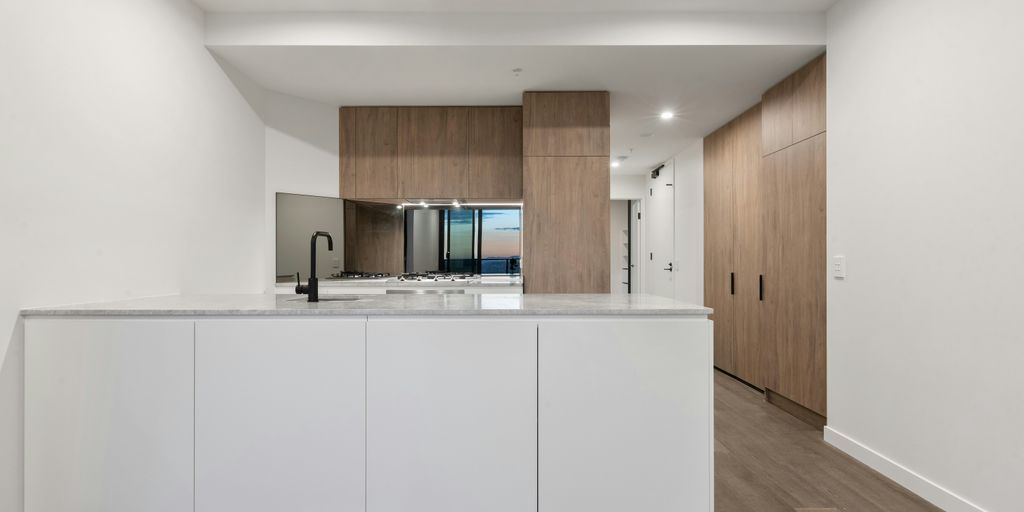
Ambient lighting sets the overall mood of your kitchen. It’s the general illumination that fills the space, making it comfortable and inviting. When planning your kitchen lighting online, think about how you want the room to feel. Do you want it bright and airy, or warm and cozy? Fixtures like recessed lights, chandeliers, and pendant lights can all contribute to ambient lighting. Consider using dimmers to adjust the brightness based on the time of day or your activity. For example, you might want brighter light for cooking and softer light for dining. Remember to factor in natural light sources too. Large windows or skylights can significantly reduce the need for artificial ambient lighting during the day. When selecting modern kitchen cabinets, consider how their finish will reflect or absorb light, impacting the overall brightness of the space.
Implementing Task Lighting Solutions
Task lighting is essential for functionality in the kitchen. It provides focused light for specific activities, such as food preparation, cooking, and cleaning. Under-cabinet lighting is a popular choice for illuminating countertops, making it easier to see what you’re doing while chopping vegetables or reading recipes. Pendant lights over the island or peninsula can also serve as task lighting, providing direct light for meal prep or homework. Make sure your task lighting is bright enough to prevent eye strain, but not so harsh that it creates glare. Proper placement is key. Position your lights to eliminate shadows and provide even illumination across your work surfaces. Using DIALux evo can help you simulate and optimize task lighting placement in your virtual kitchen design.
Adding Accent Lighting for Ambiance
Accent lighting adds visual interest and highlights specific features in your kitchen. It’s the jewelry of your lighting plan, drawing attention to architectural details, artwork, or decorative elements. Consider using spotlights to showcase a beautiful backsplash or highlight open shelving. In-cabinet lighting can also serve as accent lighting, creating a warm glow and highlighting your favorite dishes or glassware. Accent lighting is all about creating depth and dimension in your kitchen. It can transform a plain space into a stylish and inviting one. Don’t be afraid to experiment with different types of fixtures and placements to achieve the desired effect. Remember that accent lighting should complement your ambient and task lighting, creating a balanced and harmonious lighting scheme. Thinking about kitchen cabinet Burnaby trends can also inspire unique accent lighting ideas to complement your cabinet choices.
A well-designed lighting plan is crucial for creating a functional and beautiful kitchen. By carefully considering ambient, task, and accent lighting, you can transform your space into a welcoming and efficient hub for cooking, dining, and entertaining. Don’t underestimate the power of lighting to enhance the overall look and feel of your kitchen.
Here are some ideas for accent lighting:
- LED strip lights under cabinets
- Pendant lights over the island
- Spotlights highlighting artwork
- In-cabinet lighting for glassware
Budgeting for Your Online Kitchen Design Project
Estimating Costs with Online Tools
Okay, so you’re ready to design your dream kitchen online. Awesome! But before you get too carried away with fancy gadgets and marble countertops, let’s talk about money. Setting a realistic budget is the first step. Luckily, there are some pretty cool online tools that can help you get a handle on potential costs. These tools often let you input your kitchen size, desired materials, and appliance choices to generate an estimate. Keep in mind that these are just estimates, and actual costs can vary depending on your location, contractor fees, and any unexpected issues that might pop up during the renovation. Don’t forget to factor in a buffer for those ‘just in case’ moments – trust me, they happen!
Prioritizing Design Elements
So, you’ve got a rough estimate, and it’s… terrifying? Don’t panic! This is where prioritizing comes in. Think about what’s most important to you in your new kitchen. Is it that professional-grade range? Or maybe it’s the custom cabinetry?
Here’s a simple way to think about it:
- Must-Haves: These are the non-negotiable items that are essential for your kitchen’s functionality and your personal needs. For example, a functional sink, adequate storage, and essential appliances.
- Nice-to-Haves: These are the items that would be great to have, but you could live without if necessary. Think about things like a wine fridge, a fancy backsplash, or under-cabinet lighting.
- Dream Items: These are the splurge-worthy items that would make your kitchen truly special, but are definitely not essential. Examples include high-end appliances, custom-designed islands, or exotic countertops.
By categorizing your design elements, you can easily identify areas where you can save money without sacrificing the overall functionality and aesthetic of your kitchen. It’s all about making smart choices and finding the right balance between your wants and your budget.
Finding Cost-Effective Solutions
Alright, time to get creative and find ways to save some cash without compromising on style. There are tons of ways to achieve a high-end look without breaking the bank. For example, instead of solid wood cabinets, consider using cabinet options virtually with wood veneers. Laminate countertops can mimic the look of granite or marble at a fraction of the cost. And don’t underestimate the power of paint! A fresh coat of paint can completely transform the look of your existing cabinets and walls. Also, explore options for eco-friendly design trends that can be both stylish and cost-effective. Consider these points:
- Shop around: Get quotes from multiple suppliers and contractors to ensure you’re getting the best possible price.
- DIY when possible: If you’re handy, consider tackling some of the simpler tasks yourself, such as painting or installing hardware.
- Look for sales and discounts: Keep an eye out for sales and discounts on appliances, materials, and fixtures. You can often find great deals if you’re willing to be patient.
By being smart and resourceful, you can create a beautiful and functional kitchen that fits your budget. Remember, it’s all about making informed decisions and finding creative solutions. Don’t be afraid to share designs with experts to get their input on cost-effective alternatives.
Collaborating with Professionals Through Online Kitchen Design
Online kitchen design tools are great, but sometimes you need a pro’s touch. Luckily, it’s easier than ever to get expert help without even leaving your house. You can share your designs, get feedback, and even have full consultations, all online.
Sharing Designs with Experts
One of the coolest things about online kitchen design is how easily you can share your ideas. Most platforms let you export your design in a format that professionals can view and edit. This means you can take your initial plan and get a designer’s opinion on things like layout, material choices, and even appliance placement. Sharing your designs early can help catch potential problems before you commit to anything. This collaborative approach ensures that your vision aligns with practical design principles and building codes. Consider how custom kitchen cabinets can be integrated into your design by consulting with experts.
Receiving Professional Feedback Online
Getting feedback is crucial. Many designers now offer online review services. You can upload your design, and they’ll provide detailed critiques, suggestions, and even alternative ideas. This can be super helpful if you’re stuck on a particular aspect or just want a second opinion. It’s like having a design buddy who knows all the tricks of the trade. This process can help you refine your plan and avoid costly mistakes. Remember to check out today’s trendiest eco-friendly design trends for inspiration before seeking feedback.
Utilizing Online Consultation Services
For a more in-depth experience, consider online consultation services. Many kitchen and bath design firms, like Kiba Studios, offer virtual appointments where you can discuss your project in detail with a designer. These consultations often involve screen sharing, 3D walkthroughs, and even virtual reality experiences. It’s a great way to get personalized advice and explore different options in real-time.
Getting professional help doesn’t have to break the bank. Many designers offer tiered services, so you can choose the level of support that fits your budget. Even a single consultation can provide valuable insights and help you avoid costly mistakes down the road.
Here are some benefits of online consultation services:
- Personalized advice tailored to your specific needs.
- Real-time collaboration and problem-solving.
- Access to a wider range of designers, regardless of location.
Troubleshooting Common Online Kitchen Design Challenges
Addressing Space Constraints Virtually
Online kitchen design tools are great, but they can sometimes make it hard to really feel the space. It’s easy to draw a huge island, but will you actually be able to move around it comfortably? One common issue is not accounting for door swings or walkway clearances. Here’s how to tackle it:
- Use the ‘walkthrough’ feature (if available) to simulate moving through the kitchen.
- Double-check all measurements, especially appliance sizes and clearances.
- Consider scaling down elements if the virtual space feels cramped.
Remember, a well-designed kitchen prioritizes function. Don’t sacrifice usability for aesthetics. It’s better to have a slightly smaller island that you can actually use than a massive one that becomes an obstacle.
Overcoming Design Dilemmas Online
Stuck on a design choice? It happens! Maybe you can’t decide between two cabinet colors, or you’re unsure if a certain layout will work. Here are some ways to get unstuck:
- Utilize the software’s rendering capabilities to visualize different options. Most tools let you swap out materials and finishes easily.
- Seek feedback from online communities or forums. Share screenshots of your design and ask for opinions. There are many places to share designs with experts.
- Don’t be afraid to experiment! Try out different ideas, even if they seem a little out there. You might be surprised at what you discover.
Refining Your Plan with Iteration
Your first design is rarely your final design. The beauty of online tools is that they make it easy to iterate and refine your plan. Don’t be afraid to make changes and experiment until you’re happy with the result.
Here’s a process for effective iteration:
- Review your design with a critical eye. What works? What doesn’t?
- Make small changes and see how they impact the overall design. Don’t try to overhaul everything at once.
- Get feedback from others and incorporate their suggestions. It’s important to avoid common kitchen design errors.
- Repeat the process until you’ve created a kitchen design that you love. It’s important to correct kitchen floor plan mistakes.
Finalizing Your Online Kitchen Design Plan
Reviewing Your Design for Accuracy
Before you even think about ordering materials, take a long, hard look at your design. Accuracy is key at this stage. Double-check all measurements against your floor plan. Make sure the appliances you’ve selected actually fit in the designated spaces. It’s easy to get caught up in the excitement and miss small details, but those details can lead to big headaches (and expenses) later on. Consider these points:
- Verify cabinet dimensions and placement.
- Confirm appliance sizes and clearances.
- Check the placement of electrical outlets and plumbing fixtures.
It’s a good idea to have a second pair of eyes review your design. Ask a friend or family member to look over your plan and see if they spot anything you might have missed. Fresh perspectives can be incredibly helpful.
Creating Detailed Blueprints
Once you’re confident in the accuracy of your design, it’s time to create detailed blueprints. These aren’t just pretty pictures; they’re the instructions that your contractors (or you, if you’re DIY-ing) will use to build your kitchen. Your blueprints should include:
- Floor plans with precise measurements.
- Elevation drawings showing cabinet heights and placements.
- Electrical and plumbing layouts.
Online kitchen design tools often have features that allow you to generate these blueprints automatically. If not, you may need to use separate drafting software or consult with a professional. Remember, the more detailed and accurate your blueprints are, the smoother the implementation process will be. You can also look at kitchen renovations for inspiration.
Preparing for Implementation
With your design finalized and blueprints in hand, you’re almost ready to start building! But before you do, take some time to prepare for the implementation phase. This includes:
- Ordering all necessary materials and appliances. Consider kitchen islands to maximize space.
- Scheduling contractors (if applicable).
- Preparing your kitchen for demolition (if necessary).
It’s also a good idea to set aside a contingency fund for unexpected costs or delays. Kitchen renovations rarely go exactly as planned, so it’s best to be prepared for anything. A good rule of thumb is to add a 10-20% buffer to your kitchen design budget.
Ready to make your dream kitchen a reality? Once you’ve got your design plan all set, the next step is to get a clear idea of the costs. Don’t wait, get a free quote today and start building the kitchen you’ve always wanted!
Conclusion
So, there you have it. Designing your dream kitchen online is totally doable. You can really make a space that works for you, and looks good too. It’s all about taking your time, using the tools out there, and just thinking about what you really want. With a bit of planning, your kitchen can become that perfect spot for cooking, hanging out, and making memories. It’s pretty cool how much you can do from your computer these days, right?
Frequently Asked Questions
What exactly are online kitchen design tools?
Online kitchen design tools are computer programs or websites that help you plan and see what your new kitchen will look like. They let you move things around, pick colors, and try different layouts before you start building. It’s like building your kitchen in a video game first!
Can I really see my kitchen in 3D with these tools?
Yes, absolutely! Many online tools let you see your kitchen in 3D. This means you can get a really good idea of how everything will look and feel, almost like you’re walking through your new kitchen before it’s even built.
Where can I find ideas for my kitchen style online?
You can find tons of ideas online! Websites like Pinterest, Houzz, and even kitchen cabinet company sites have lots of pictures and styles. You can also make digital ‘idea boards’ to save all the looks you love.
How do I pick the best layout for my kitchen?
A good kitchen layout makes cooking and moving around easy. Think about how you use your kitchen every day. Do you cook a lot? Do you have kids? Online tools help you try different layouts to find one that fits your life best.
Can I choose materials like cabinets and countertops using these online tools?
Many online design programs let you pick out different materials for your cabinets, countertops, and floors. You can often see how different colors and textures will look together, which helps you make good choices.
Do online tools help with placing appliances?
Yes, you can usually add appliances to your online design. This helps you figure out where they will fit best and if you have enough space. Some tools even let you pick specific appliance models.
Can online kitchen design tools help me figure out my budget?
Online tools can give you a rough idea of costs, but it’s important to remember these are just estimates. For exact prices, you’ll need to get quotes from stores and contractors.
Can I share my kitchen designs with others for feedback?
Yes! Many online tools let you share your designs with others. This is great for getting advice from family, friends, or even professional designers who can give you tips and feedback.