Two-Tone Kitchen Cabinets: Stylish Choices for Lower Mainland Renovations
We’ve been looking at how two-tone kitchen cabinets are becoming a really popular choice for renovations in the Lower Mainland. It’s a great way to add some personality and style without going too wild. You can mix and match colors, finishes, and even materials to create a look that’s totally unique to your home. Whether you’re aiming for a classic look or something more modern, this trend offers a lot of flexibility. We’ll explore some of the best ways to achieve this look, from popular color pairings to clever design strategies. If you’re thinking about updating your kitchen, this could be the perfect approach. And for those thinking about options beyond Vancouver, remember that you can also find great choices like buy kitchen cabinets Calgary.
Key Takeaways
- Two-tone cabinets add visual interest and depth by breaking up the monotony of a single color, making your kitchen feel more dynamic.
- A common and effective strategy is to use lighter colors for upper cabinets and darker colors for lower cabinets to create an illusion of greater space.
- Contrasting colors can be used strategically, such as on a kitchen island, to create a focal point and anchor the room.
- Mixing materials, like natural wood with painted finishes, offers another way to achieve a stylish two-tone look beyond just different paint colors.
- Achieving a cohesive two-tone design involves balancing colors, considering sightlines, and using unifying elements like hardware or countertops.
Embracing the Two-Tone Trend in Your Kitchen
In the world of kitchen design, color plays a significant role in setting the mood and atmosphere of your home’s central hub. While all-white kitchens have long been a popular choice, a captivating trend has emerged, drawing the attention of homeowners looking to add personality and depth to their spaces: two-tone cabinets. This sophisticated approach involves using two distinct colors or finishes for your cabinetry, resulting in a look that is dynamic, personalized, and full of character. It’s a wonderful opportunity to move beyond the monochrome and inject a dose of creativity into your kitchen renovation.
The Allure of Contrasting Cabinet Colors
Two-tone cabinets offer a fantastic way to create a kitchen that is both on-trend and timeless. By thoughtfully combining colors, you can design a space that is rich with personality and style. This design choice breaks up the monotony of a single finish, creating a layered, visually interesting space that feels more curated and less predictable. It allows for a level of customization that a single color simply can’t match, making your kitchen truly unique.
Why Two-Tone Cabinets Elevate Your Space
Opting for a two-tone cabinet design offers several aesthetic and practical advantages. It adds visual interest and depth, making your kitchen feel more dynamic. A common strategy is to use a lighter color for the upper cabinets and a darker color for the lowers. This technique can create an illusion of space, drawing the eye upward and making the ceiling feel higher and the room feel more spacious. Furthermore, a contrasting color on a kitchen island can turn it into a stunning focal point, anchoring the room and adding a pop of personality. This approach allows for a creative expression that reflects your personal style.
Personalizing Your Kitchen with Dual Hues
Two-tone kitchens provide the perfect canvas for personalization. Whether you’re aiming for a bold, high-contrast statement or a subtle, harmonious blend, this trend offers endless possibilities. You can play with color and texture to create a look that is uniquely yours. For instance, consider pairing a classic white with a deep navy for a timeless yet striking combination, or perhaps a soft grey with a warm wood tone for a more natural feel. The freedom to mix and match allows you to tailor the design precisely to your taste and the overall aesthetic of your home. Exploring different cabinetry options can help you visualize these possibilities.
Popular Two-Tone Cabinet Design Strategies
The Classic Light Upper, Dark Lower Approach
This is perhaps the most widely adopted and forgiving method for achieving a two-tone kitchen. We often see lighter shades, like crisp whites or soft creams, gracing the upper cabinets. This choice helps keep the kitchen feeling open and bright, which is especially beneficial in smaller spaces. Complementing this, darker hues such as deep navy, forest green, or charcoal gray are frequently used for the lower cabinets. This grounds the space, adding a sense of substance and sophistication without making the kitchen feel heavy. It’s a balanced approach that works beautifully in many home styles.
Making a Statement with a Contrasting Island
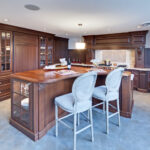
For those who are drawn to bolder colors but prefer not to commit to an entire wall of cabinetry, the kitchen island presents a perfect opportunity. Painting your island in a contrasting shade allows you to introduce a vibrant hue or a rich wood tone as a distinct focal point. This strategy effectively anchors the room, drawing the eye, while the perimeter cabinets can remain in a more neutral, understated finish. It’s a way to inject personality without overwhelming the entire kitchen.
Harmonizing Wood Tones with Painted Finishes
Two-tone doesn’t always mean two different paint colors. A truly timeless and elegant combination involves mixing natural wood with painted surfaces. The inherent warmth and texture of wood, whether it’s a rich walnut or a lighter maple, pairs exceptionally well with the smooth, clean finish of painted cabinetry. We often suggest using natural wood for the lower cabinets or the island, paired with a classic white or a gentle gray for the upper cabinets. This blend offers both visual interest and a connection to natural elements, creating a welcoming atmosphere. Exploring different kitchen cabinet ideas can help visualize these combinations [42d1].
When planning your two-tone design, consider how the colors will interact with your kitchen’s natural light and existing architectural features. A well-executed two-tone scheme should feel intentional and harmonious, not jarring.
Here are some popular pairings we’ve seen work well:
- White Uppers, Navy Lowers: A classic for a reason, offering brightness above and grounding below.
- Gray Uppers, Wood Lowers: Combines a modern neutral with natural warmth.
- Cream Uppers, Black Lowers: A softer take on the high-contrast black and white scheme.
- Sage Green Uppers, White Lowers: Brings a touch of nature and calm into the space.
This approach to cabinet design can significantly refresh your kitchen [1680].
Achieving a Cohesive Two-Tone Kitchen Design
When we decide to embrace the two-tone cabinet trend, the goal is always a space that feels intentional and harmonious, not chaotic. It’s about creating a visual flow that makes sense, drawing the eye in a pleasing way. This isn’t just about picking two colors we like; it’s about how those colors interact within the architecture of your kitchen.
The Importance of a Unifying Element
To truly make a two-tone kitchen sing, we need something that ties the two distinct finishes together. Without a unifying element, the contrasting colors can feel disconnected. This could be as simple as selecting hardware – pulls or knobs – that complements both the lighter and darker cabinet tones. Another approach is to use a countertop material that bridges the gap, perhaps a stone with veining that incorporates both shades. Even a backsplash can serve this purpose, acting as a visual mediator between the upper and lower cabinets. This common thread is what transforms a potentially jarring combination into a sophisticated design statement. It’s about creating a visual conversation between the different cabinet finishes, making them feel like they belong together. We find that homeowners often overlook this detail, but it’s truly key to a polished look. For inspiration on how different materials can work together, exploring modern kitchen cabinets can be quite revealing.
Considering Your Kitchen’s Sightlines
As we plan our two-tone kitchen, we must think about how the space will be viewed from different angles and from adjoining rooms. A well-executed two-tone design should feel natural, regardless of where you’re standing. For instance, if we have dark lower cabinets and light uppers, we want to ensure that the transition feels smooth as you move through the kitchen or look in from the dining area. We often consider the overall flow, making sure that the eye isn’t abruptly stopped by a harsh color change. Sometimes, a subtle gradient or a carefully placed accent can help guide the eye. It’s about creating a visual journey through the space, where each color choice feels deliberate and contributes to the overall atmosphere. We aim for a look that feels balanced from every perspective.
Mastering the Art of Color Balance
Achieving the right balance is perhaps the most artful part of a two-tone kitchen. The 60-30-10 rule is a helpful guideline here, suggesting that 60% of the space should be one color, 30% a secondary color, and 10% an accent. For cabinets, this often translates to the dominant color being on the majority of the cabinetry, with the secondary color on a significant portion like the island or a bank of cabinets, and the accent color appearing in smaller doses, perhaps through accessories or a feature wall. We find that using a lighter shade for upper cabinets and a darker shade for lower cabinets naturally creates a sense of stability and visual weight. This approach not only looks good but also makes the kitchen feel more grounded and spacious. It’s a delicate dance, ensuring that neither color overpowers the other, but rather they work in concert to create a beautiful, inviting kitchen. Understanding how colors interact is key, and consulting the color wheel for harmony can provide a solid foundation for making these decisions.
Color Palettes That Shine in Two-Tone Designs
Choosing the right color combination for your two-tone cabinets is where the real magic happens. It’s about creating a look that’s both striking and harmonious, reflecting your personal style while maintaining a sophisticated feel. We find that homeowners often gravitate towards palettes that offer a sense of balance and visual interest without feeling chaotic.
Timeless Black and White Combinations
This is a classic for a reason. The stark contrast between black and white offers a clean, graphic look that feels both modern and enduring. We often see white used for the upper cabinets to keep the space feeling open and bright, while black on the lower cabinets or the island provides a grounding, substantial presence. It’s a combination that works in almost any kitchen style, from minimalist to more traditional.
- Upper Cabinets: Crisp White or Off-White
- Lower Cabinets/Island: Deep Black or Charcoal Gray
- Hardware: Brushed Nickel, Matte Black, or Brass
Soothing Blue and White Kitchen Schemes
For a softer, more serene atmosphere, blue and white is an excellent choice. This pairing evokes a sense of calm and freshness, reminiscent of coastal living or a clear sky. A deep navy or a muted slate blue can be used for the lower cabinets, paired with classic white uppers, creating a welcoming and inviting kitchen. This palette is particularly effective in creating a luxury design trend that feels both comfortable and chic.
- Upper Cabinets: Classic White or Cream
- Lower Cabinets/Island: Navy Blue, Slate Blue, or Teal
- Accents: Light wood tones or subtle metallic finishes
Introducing Bold Accents with Neutrals
If you’re looking to inject a bit more personality without overwhelming the space, consider using a bolder color as an accent. This could mean a vibrant hue on the island only, or perhaps a rich jewel tone on a select few upper cabinets. The key is to balance these bolder choices with a generous amount of neutral cabinetry, such as soft grays, warm beiges, or classic whites. This approach allows you to play with color in a controlled, sophisticated manner.
When selecting your colors, think about how they will interact with the natural light in your kitchen and the materials of your countertops and backsplash. A well-chosen palette can make a significant difference in the overall mood and functionality of the space.
- Primary Cabinets: Soft Gray, Warm Beige, or White
- Accent Cabinets (Island/Specific Sections): Emerald Green, Deep Burgundy, or Mustard Yellow
- Consider: A unifying countertop material to tie the two tones together.
Beyond Color: Mixing Materials for Depth

The Warmth of Natural Wood Paired with Paint
While we often think of two-tone kitchens in terms of contrasting paint colors, we can also achieve a beautiful, layered look by mixing materials. Combining the natural warmth and texture of wood with the clean, smooth finish of painted cabinets offers a sophisticated and inviting aesthetic. This approach adds a layer of depth that paint alone can’t always provide. For instance, consider using rich, stained wood for your lower cabinets or a prominent kitchen island. This grounds the space and brings in organic elements. Then, pair these with upper cabinets in a crisp white, a soft grey, or even a muted pastel. This contrast in material and finish creates visual interest without being jarring. It’s a way to bring the outdoors in, a popular choice for many Vancouver homes.
Incorporating Stainless Steel for a Modern Edge
For those drawn to a more contemporary or industrial feel, mixing materials can also mean incorporating elements like stainless steel. While not typically used for entire cabinet boxes, stainless steel can be introduced through appliance panels, accent doors, or even as part of a custom range hood. Imagine sleek, painted cabinets paired with stainless steel drawer fronts or a striking stainless steel backsplash. This combination adds a touch of modern polish and a hint of industrial chic. It’s a way to play with different textures and finishes, creating a kitchen that feels both current and timeless. This approach works particularly well when aiming for a professional kitchen look.
Exploring Different Textures and Patterns
Beyond just color and material, texture and pattern play a significant role in adding depth to your two-tone kitchen design. Even within a single material, variations in texture can create subtle yet impactful contrasts. Think about cabinet door styles: a shaker style in painted wood can be beautifully complemented by a beadboard or routed detail on an island or accent cabinets. You can also introduce texture through hardware – mixing matte black pulls with brushed nickel hinges, for example. If you’re feeling adventurous, consider a subtle pattern on a portion of your cabinetry, perhaps a textured laminate or a decorative inlay, to add another dimension. The key is to ensure these elements work harmoniously, creating a rich tapestry of design rather than a chaotic mix.
When we consider mixing materials, we’re not just thinking about how things look, but also how they feel and interact. The tactile quality of wood, the cool smoothness of painted surfaces, and the reflective sheen of metal all contribute to the overall sensory experience of your kitchen. Thoughtful combinations can make a space feel more dynamic and engaging.
Here are some material combinations we often see working well:
- Wood and Paint: A classic pairing that offers warmth and sophistication.
- Painted Cabinets with Metal Accents: Think stainless steel appliances, hardware, or even decorative metal inserts.
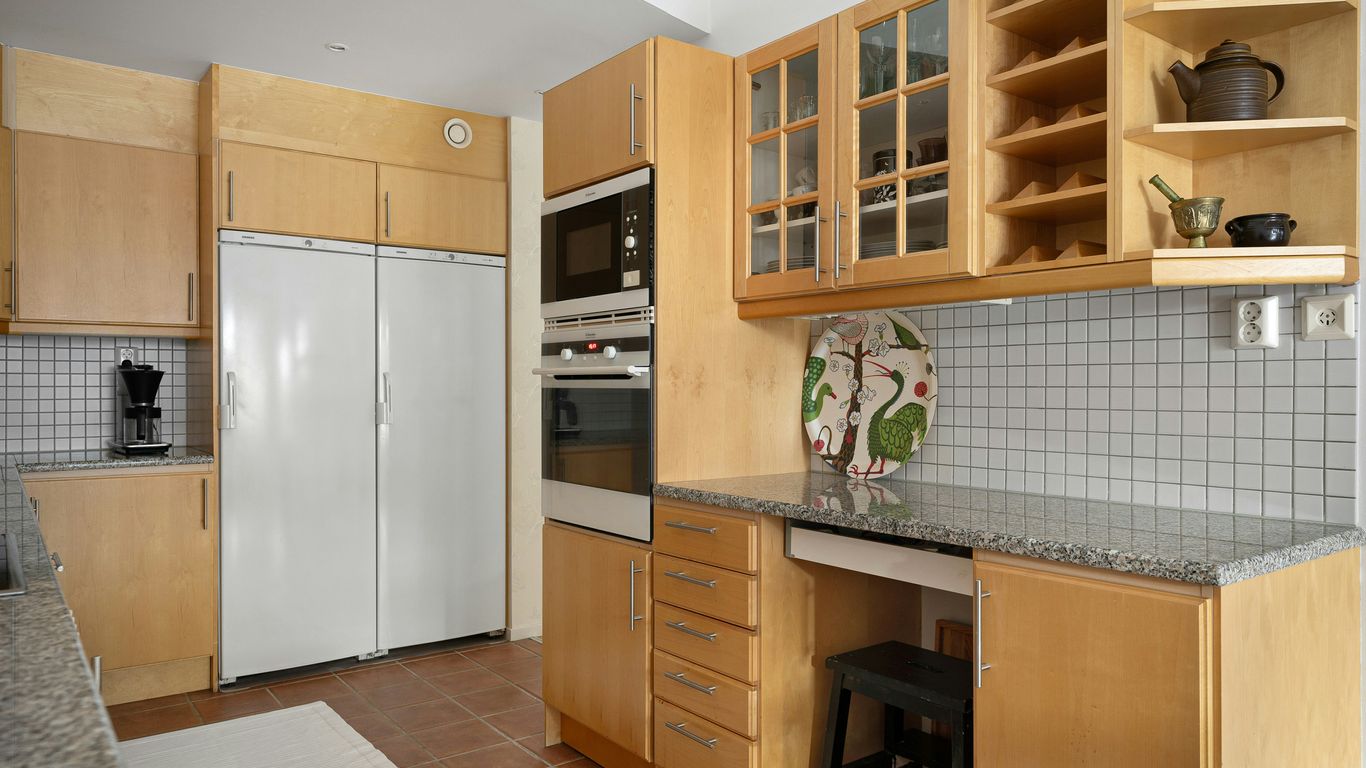
- Varying Wood Tones: Using two different species or finishes of wood can create a subtle two-tone effect.
- Glass or Open Shelving: Introducing glass-front cabinets or open shelving breaks up solid blocks of material and adds visual lightness.
Creating a Focal Point with Cabinetry
When we approach a kitchen renovation, we often think about how to make the space feel unique and personal. One of the most effective ways to achieve this is by strategically using cabinetry to create a focal point. This isn’t just about aesthetics; it’s about guiding the eye and adding a sense of intentional design to your kitchen.
Highlighting Your Kitchen Island
The kitchen island has become a central hub in many homes, and it’s a prime candidate for a focal point. By giving your island a distinct color or finish from the surrounding cabinets, you instantly draw attention to it. This could mean a deep, rich navy for the island against crisp white perimeter cabinets, or perhaps a warm, natural wood tone for the island paired with painted uppers and lowers. This contrast makes the island stand out, turning it into the heart of the kitchen’s design. It’s a popular strategy for a reason – it works beautifully to anchor the space and add a significant dose of personality. We find that homeowners often love how this approach can make a large kitchen feel more cohesive.
Drawing the Eye Upwards with Upper Cabinets
While the island often takes center stage, we can also use cabinetry to direct attention vertically. A common technique involves using a lighter color for the upper cabinets and a darker, more grounding color for the lower ones. This classic approach not only makes the space feel more open and airy but also subtly draws the eye upward, making ceilings appear higher. For a bolder statement, consider reversing this, using a more vibrant or darker hue on the upper cabinets if your kitchen has ample ceiling height and good natural light. This can create a dramatic effect, especially when paired with complementary hardware. It’s a way to add visual interest without overwhelming the room, and it’s a design choice that can truly transform the feel of your kitchen.
Using Color to Define Kitchen Zones
In larger kitchens or open-plan layouts, cabinetry color can be a powerful tool for defining different functional zones. For instance, the cabinets around the main cooking area might feature one color scheme, while a separate beverage station or pantry area could sport a contrasting finish. This not only adds visual interest but also helps to organize the space and make it more intuitive to use. We’ve seen this work wonders in creating distinct areas for prep, cooking, and entertaining, all within a single kitchen. It’s a sophisticated way to add depth and functionality, making your kitchen a joy to work and live in. For homeowners looking to add a modern edge, consider how mixing materials can further define these zones.
The Practicality of Two-Tone Cabinetry
Adding Visual Interest Without Overwhelm
Two-tone cabinetry is a wonderful way to introduce personality and depth into your kitchen without making the space feel too busy. By thoughtfully selecting two complementary colors or finishes, we can create a dynamic look that still feels cohesive. A common and effective approach is to use a lighter shade for the upper cabinets, which helps to keep the space feeling open and airy, while a darker, grounding color on the lower cabinets adds substance and visual weight. This contrast breaks up the monotony of a single color, making the kitchen more engaging to the eye. It’s about creating a sophisticated balance that adds character without overwhelming the senses.
Creating an Illusion of Greater Space
One of the most appealing practical benefits of a two-tone cabinet design is its ability to manipulate the perception of space. The classic strategy of pairing light upper cabinets with darker lower cabinets is particularly effective in making a kitchen feel larger and more open. This visual trick draws the eye upward, creating a sense of height and airiness. It’s a clever design choice that can make even smaller kitchens feel more expansive and welcoming. This approach is a smart way to maximize the feeling of space in your home, especially when working with tighter layouts. For homeowners in the Lower Mainland, where space can sometimes be a consideration, this technique is a real game-changer.
Functional Design for Everyday Living
Beyond aesthetics, two-tone cabinets can also serve functional purposes. For instance, a contrasting color on the kitchen island can clearly define it as a distinct zone for prep work or casual dining, improving workflow. We often see homeowners opt for more durable or easily cleanable finishes on lower cabinets, which tend to see more wear and tear, while using a more delicate or decorative finish on upper cabinets. This blend of style and practicality means your kitchen not only looks beautiful but also functions efficiently for daily life. It’s about creating a space that is as practical as it is pleasing to the eye, a hallmark of thoughtful kitchen renovations. Considering sustainable cabinetry options can further add to the long-term value and functionality of your kitchen design.
Choosing the Right Cabinetry for Your Home
When we embark on a kitchen renovation, selecting the right cabinetry is a decision that impacts both the look and the function of our space for years to come. It’s not just about aesthetics; it’s about finding pieces that fit our lifestyle, our home’s architecture, and our budget. We have two main paths to consider: custom-built cabinets or premade options.
Custom vs. Premade Cabinet Options
Custom cabinets offer unparalleled flexibility. They are designed and built specifically for your kitchen, allowing for precise measurements, unique material choices, and tailored layouts. This is where we can truly bring a specific vision to life, perhaps incorporating specialized storage solutions or matching existing architectural details. On the other hand, premade cabinets, often referred to as stock or semi-custom, provide a more accessible and quicker route. They come in standard sizes and configurations, which can be surprisingly adaptable. Many homeowners find a smart middle ground by using premade cabinets for the majority of their kitchen and opting for custom pieces for a focal point, like a statement island. This approach can help manage costs while still allowing for personalization. We’ve seen many successful kitchen design plans that blend these two approaches effectively.
Considering Durability and Climate
Our local climate, with its distinct seasons and humidity, plays a role in cabinet longevity. For painted finishes, we want to select high-quality paints and sealants that can withstand moisture. For natural wood, understanding the properties of different species is key. Maple, for instance, is a versatile wood that takes finishes well, while walnut offers a rich, warm hue. Mahogany is known for its durability and deep color. We should also consider the hardware; materials like brushed nickel or stainless steel tend to hold up well against moisture and are easy to clean. Proper ventilation, especially around cooking areas and sinks, is also a practical consideration that contributes to the overall durability of our cabinetry.
Budget-Friendly Two-Tone Solutions
Achieving a sophisticated two-tone look doesn’t always require the highest price tag. We can explore options like using different finishes on upper and lower cabinets, or dedicating a contrasting color to the kitchen island. Sometimes, a simple change of hardware can dramatically alter the feel of existing cabinets, offering a budget-friendly refresh. For instance, pairing clean-lined, simple cabinet doors with modern hardware can create a transitional look that feels both current and timeless. We can also look at materials like MDF or plywood for cabinet boxes, which are more economical than solid wood, especially when paired with quality finishes. The key is thoughtful planning and focusing on the elements that will have the most visual impact. Exploring different cabinetry styles can provide inspiration for cost-effective yet impactful designs.
Expert Tips for Your Two-Tone Kitchen Renovation
Embarking on a two-tone kitchen renovation is an exciting venture, and we’re here to guide you through it with thoughtful advice. When planning your design, consider how different colors and materials will interact within your space. It’s not just about picking two shades; it’s about creating a harmonious and functional environment that truly reflects your style.
Consulting the Color Wheel for Harmony
Understanding color theory can be incredibly helpful when selecting your two-tone palette. Think about complementary colors for a vibrant contrast or analogous colors for a more subtle blend. We often find that pairing a strong, grounding color for the lower cabinets with a lighter, airier shade for the uppers creates a balanced and inviting feel. For instance, a deep navy on the base cabinets paired with a soft cream on the uppers can be both sophisticated and timeless. Don’t be afraid to experiment with different combinations; sometimes the most unexpected pairings yield the most beautiful results. Exploring popular color combinations can offer a great starting point for your two-tone kitchen cabinet trends.
Seeking Inspiration from Design Portfolios
Visualizing the final look is key. We encourage you to browse through various design portfolios, looking for kitchens that capture your attention. Pay attention to how different two-tone schemes are implemented, noting the interplay of colors, materials, and hardware. Consider the overall style of your home and how the kitchen will integrate with adjoining spaces. A well-executed two-tone design can add significant character and depth, making your kitchen a true focal point. Remember, the goal is to create a space that is both beautiful and practical for everyday living.
Partnering with Renovation Specialists
While DIY can be tempting, a project as significant as a kitchen renovation often benefits from professional insight. Partnering with experienced renovation specialists means you have access to their knowledge of materials, construction, and design trends. They can help you avoid common pitfalls, manage the budget effectively, and ensure the final result meets your expectations for quality and longevity. From selecting the right finishes to ensuring proper installation, their guidance is invaluable for a successful kitchen renovation in Vancouver. We believe that investing in professional help upfront saves time, money, and stress in the long run, leading to a kitchen you’ll love for years to come.
Here are a few key considerations we always discuss with our clients:
- Hardware Selection: The right knobs and pulls can tie your two-tone design together or provide a subtle accent. Consider finishes like brushed nickel, matte black, or even brass.
- Countertop Choice: Your countertop material and color should complement both cabinet hues. A neutral stone or a consistent wood tone can bridge the gap between two different cabinet colors.
- Backsplash Integration: The backsplash offers another opportunity to introduce texture or a complementary color, further unifying your design scheme.
A well-planned two-tone kitchen isn’t just about aesthetics; it’s about creating a functional and visually appealing heart of the home that stands the test of time. Thoughtful choices in color, material, and layout contribute to a space that feels both personal and professionally designed.
The Enduring Appeal of Farmhouse-Inspired Two-Tone
Rustic Charm Meets Modern Functionality
The farmhouse aesthetic has a way of making a house feel like a home, and when we bring this style into the kitchen, it’s often through the cabinetry. Two-tone designs are a natural fit here, offering a way to capture that rustic charm while still keeping things practical for modern living. Think about pairing a warm, natural wood finish on your lower cabinets or island with a soft, painted hue like cream or a muted sage green on your upper cabinets. This combination grounds the space with the earthiness of wood while keeping the upper areas feeling light and open. It’s a look that feels both timeless and current, a balance many homeowners strive for in their renovations.
Soft Palettes and Natural Textures
When we talk about farmhouse-inspired two-tone kitchens, the color palette often leans towards the gentle and the natural. We frequently see combinations like a soft white or a light gray for the uppers, paired with a deeper, earthy tone such as a warm taupe, a gentle navy, or even a subtle charcoal for the lowers. The key is to avoid anything too stark or overly bright. Instead, we focus on colors that evoke a sense of calm and comfort. Incorporating natural wood grains, whether stained or left with a natural finish, adds a layer of texture that’s so important to the farmhouse feel. This interplay of soft colors and tactile materials creates a kitchen that is inviting and deeply comfortable.
Adding Value with Timeless Style
Choosing a two-tone farmhouse-inspired design for your kitchen isn’t just about aesthetics; it’s also a smart investment. This style has a broad appeal, making your home more attractive should you decide to sell in the future. It’s a look that doesn’t quickly go out of fashion, unlike some trendier options. We find that homeowners who opt for this approach are often looking for a design that will stand the test of time, offering both beauty and lasting value. It’s about creating a space that feels authentic and lived-in, a true heart of the home that you’ll love for years to come. For inspiration on updating your kitchen with this charming aesthetic, exploring modern farmhouse kitchen designs can offer a fresh perspective [2e77].
The charm of farmhouse style, especially with two-tone colors, just keeps drawing people in. It’s a look that feels both cozy and fresh, making kitchens and bathrooms feel warm and inviting. This popular design trend mixes different colors, often a lighter shade on top and a darker one below, to create a beautiful contrast that really makes a space pop. It’s a simple yet effective way to add personality and style to your home. Ready to bring this timeless appeal to your own space? Visit our website today to explore design ideas and get a free quote!
Bringing Your Two-Tone Vision to Life
So, we’ve looked at how two-tone cabinets can really change up a kitchen, making it feel more personal and interesting. It’s a way to step away from the usual and add some real character to your space here in the Lower Mainland. Whether you’re thinking of light uppers with dark lowers, a standout island, or mixing wood with paint, there are lots of ways to get it right. We hope this gives you some good ideas for your own renovation. If you’re ready to explore these options further or need a hand bringing your dream kitchen to life, we’re here to help.
Frequently Asked Questions
What exactly are two-tone kitchen cabinets?
We consider two-tone kitchen cabinets to be a design where we use two different colors or finishes for your cabinets. It’s like giving your kitchen a stylish, custom look by mixing and matching, instead of sticking to just one color for everything.
Why do people choose two-tone cabinets for their kitchens?
People love two-tone cabinets because they add a lot of visual interest and make the kitchen feel more dynamic. It’s a fantastic way to break away from a plain look and add your own personality to the space. Plus, it can make a kitchen feel bigger and more open, which is always a plus!
What are some popular ways to design two-tone cabinets?
A really common and great-looking style is to have lighter colors on the upper cabinets and darker colors on the lower ones. This makes the kitchen feel brighter and more spacious. Another popular idea is to use a different, eye-catching color just for the kitchen island to make it stand out as a centerpiece.
Can we mix different materials, not just colors, for a two-tone look?
Absolutely! Mixing materials is a wonderful way to create a two-tone effect. For instance, we can pair the warmth of natural wood cabinets with painted cabinets. This combination adds a lot of depth and texture to the kitchen’s overall design.
How do we make sure a two-tone kitchen still looks put together?
To keep things looking good, we suggest finding a common thread between the two colors. This could be the hardware on the cabinets, the material of your countertops, or even a backsplash that ties both colors together. It helps everything feel connected and intentional.
What are some good color combinations for two-tone cabinets?
Classic choices include black and white, which always looks sharp. Blue and white is another beautiful pairing that creates a calm and fresh feel. We can also use bold accent colors with neutral tones to add a pop of excitement without being too much.
Are two-tone cabinets a good choice for smaller kitchens?
Yes, they can be! Using a lighter color for the upper cabinets can make the ceiling seem higher, and using a darker color on the bottom can ground the space. This strategy can actually make a smaller kitchen feel more expansive and visually interesting.
What’s the difference between custom and premade two-tone cabinets?
With custom cabinets, we have total freedom to choose the exact colors, materials, and styles you want for your two-tone design. Premade cabinets are usually more affordable and quicker to get, but our options might be more limited. Sometimes, we can even mix custom pieces with premade ones to get the best of both worlds for your budget and style.