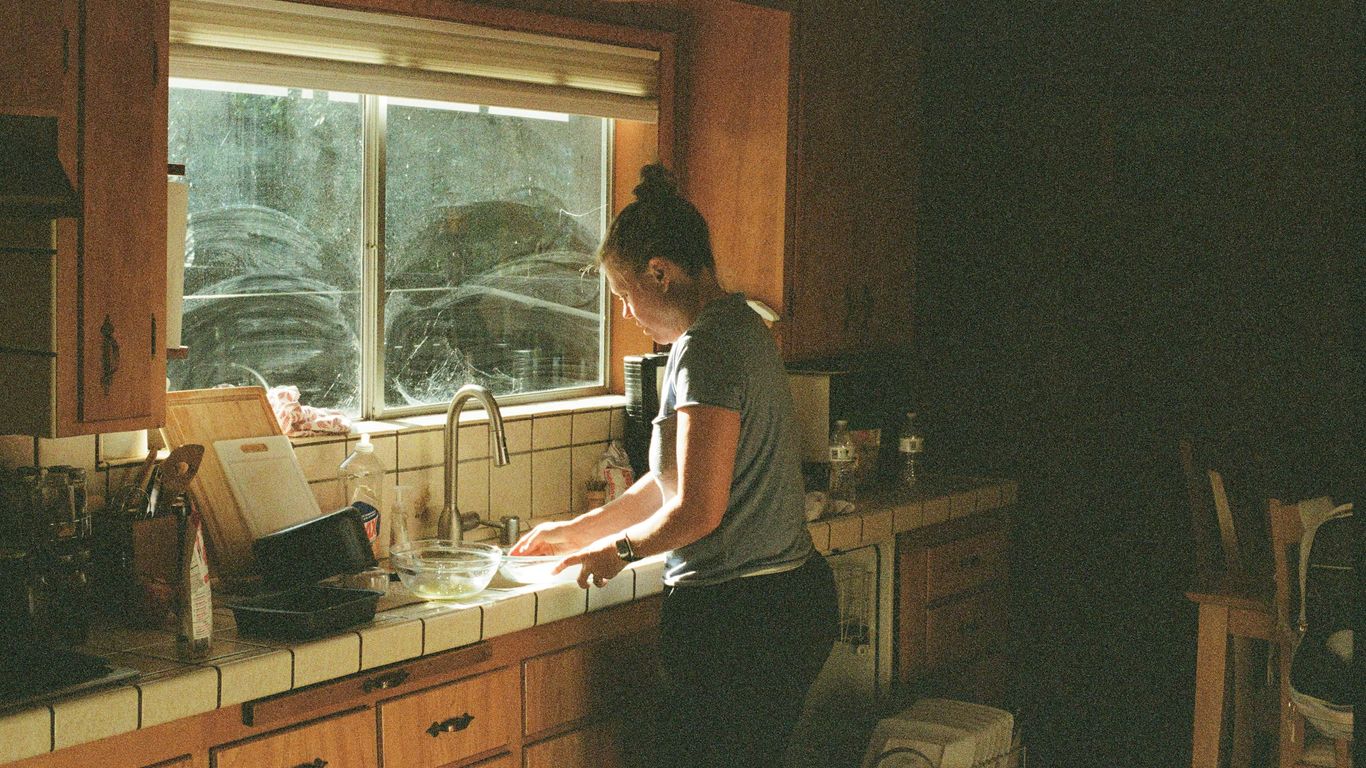
Protecting Kitchen Cabinets: Maintenance Guide for Longevity – Free Quote Today
We all want our kitchens to look their best, and that includes the cabinets. Over time, daily use can take its toll, but with a little effort, we can keep them looking great for years. We’ve put together some straightforward tips to help you maintain your kitchen cabinets, ensuring they remain a beautiful and functional part of your home. Whether you’re looking to keep your current cabinets in top shape or considering an upgrade, understanding proper care is key. And if you’re thinking about new bathroom vanities, remember you can buy bathroom vanities online Canada for convenient options.
Key Takeaways
- Establish a consistent cleaning schedule, including daily surface wipes and weekly deep cleans, using only gentle cleaning agents.
- Protect your cabinets from moisture by immediately cleaning up spills and maintaining optimal indoor humidity levels.
- Regularly check and tighten hardware like hinges and handles, and lubricate moving parts for smooth operation.
- Shield cabinets from direct sunlight to prevent fading and use protective liners inside to prevent scratches.
- Address minor damages like scratches promptly with touch-up kits and seek professional help for larger issues.
Establishing A Consistent Cleaning Routine
We all want our kitchens to look their best, and that starts with keeping our cabinets in top shape. A regular cleaning routine isn’t just about appearances; it’s a key part of making sure your cabinets last for years to come. Think of it as a gentle, ongoing conversation with your cabinetry, showing them a little care each day and week.
Daily Surface Wipes
After a busy day in the kitchen, a quick wipe-down is surprisingly effective. Grab a soft microfiber cloth – they’re great because they pick up dust and grease without scratching. A simple swipe across the cabinet fronts, especially around handles and where cooking splatters might land, can prevent buildup. This small habit significantly reduces the effort needed for deeper cleaning later. It’s a simple step that keeps the surfaces looking fresh and prevents minor residues from becoming stubborn stains. For this daily care, a dry cloth is often all you need, but if you encounter a slight smudge, a cloth barely dampened with water works wonders.
Weekly Deep Cleaning
Once a week, we recommend a more thorough clean. This is where we tackle any grease that’s settled in or marks that the daily wipe might have missed. A good approach is to use a solution of warm water mixed with a few drops of mild dish soap. Always wring out your cloth so it’s just damp, not wet, to avoid excess moisture. Gently wipe down all the exterior surfaces. For those tougher spots, like around the stove, a paste made from baking soda and water can be applied carefully. After cleaning, always follow up with a separate dry cloth to remove any lingering moisture. This method is effective for most cabinet finishes and helps maintain their luster. You can find gentle cleaning solutions that are safe for your cabinets here.
Avoiding Harsh Chemicals
When it comes to cleaning, what we don’t use is just as important as what we do. It’s tempting to reach for strong cleaners when facing a tough spot, but these can do more harm than good to your cabinet finish. We strongly advise against using anything with ammonia, bleach, or abrasive particles. These can strip away the protective coating, leading to dullness, discoloration, and even damage that’s difficult to repair. Instead, stick to mild, pH-neutral cleaners or simple mixtures like a 50/50 blend of water and white vinegar. Always remember to spray your cleaning solution onto the cloth, never directly onto the cabinet, to keep moisture in check.
Maintaining the integrity of your cabinet’s finish is paramount. Opting for gentle, appropriate cleaning methods preserves their beauty and structural soundness for the long term, avoiding costly repairs down the line.
Safeguarding Against Moisture Intrusion
Moisture is a silent adversary to kitchen cabinets, capable of causing significant damage if not managed properly. We must be vigilant about protecting our cabinetry from water and humidity to maintain its integrity and appearance over time.
Immediate Spill Response
Accidents happen, especially in a busy kitchen. When spills occur, whether it’s water, soup, or any other liquid, prompt action is key. Wipe up spills immediately with a soft, dry cloth. Allowing liquids to sit, even for a short period, can allow them to seep into seams and joints, leading to swelling, warping, or even mold growth. This quick response is the first line of defense against moisture damage.
Maintaining Optimal Humidity Levels
Beyond immediate spills, the ambient humidity in your kitchen plays a significant role in cabinet health. Wood, and even engineered materials, can react to extreme humidity. We aim for a balanced environment, ideally keeping humidity levels between 30% and 60%. Too much moisture can cause materials to expand, while excessively dry air can lead to cracking and shrinking. Monitoring and controlling this balance is vital for long-term preservation. For those in particularly humid regions, a dehumidifier can be a wise investment to help regulate the air.
Utilizing Humidifiers in Dry Climates
Conversely, if you reside in an area with very dry air, especially during winter months when heating systems are in full use, your cabinets can suffer. Low humidity can cause wood to lose moisture, leading to shrinkage and the potential for cracks to form. In such conditions, using a humidifier can help maintain a more stable moisture content within the cabinet materials. This proactive step helps prevent the brittleness that dry air can inflict, keeping your cabinets looking and feeling solid. It’s about creating a consistent environment, much like caring for fine furniture, to ensure your kitchen cabinets endure.
Preserving Cabinet Hardware and Functionality
We often focus on the cabinet boxes and doors, but the hardware is what truly makes them work. Keeping hinges and handles in good shape means your cabinets will open and close smoothly for years to come. It’s a simple step that makes a big difference.
Regularly Tightening Hinges and Handles
Over time, the constant use of cabinet doors and drawers can cause screws in hinges and handles to loosen. This might not seem like a big deal at first, but a loose handle can eventually strip its screw hole, and misaligned hinges can put stress on the cabinet frame. We recommend a quick check every six months. A simple tightening of these screws can prevent future, more complex repairs.
Here’s a quick guide:
- Hinges: Gently open and close the cabinet door. If you notice any sagging or unevenness, check the screws on both the hinge and the cabinet frame. Use a screwdriver that fits the screw head snugly to avoid stripping it.
- Handles/Knobs: Grasp the handle firmly and try to wiggle it. If there’s movement, locate the screws on the back of the door or drawer and tighten them.
Lubricating Moving Parts for Smooth Operation
Squeaky hinges or drawers that stick can be a real annoyance. Fortunately, keeping these parts moving freely is usually quite straightforward. We suggest using a silicone-based lubricant, as it’s less likely to attract dust compared to oil-based options.
- Hinges: Apply a small amount of lubricant directly to the hinge pin or any moving joints. Open and close the door a few times to distribute the lubricant.
- Drawer Slides: For drawers, apply lubricant to the metal slides where they meet. Again, operate the drawer several times to ensure it glides smoothly. This simple maintenance helps prevent wear and tear on the slides, keeping your drawers sliding with ease.
Addressing these small details proactively not only keeps your kitchen functional but also preserves the overall quality and lifespan of your cabinetry. For homeowners looking to ensure their kitchen cabinets are built to last, considering quality installation and materials from the start is key. You can explore cabinet services to find solutions that prioritize durability and smooth operation.
Protecting Your Cabinet’s Pristine Finish
We all want our kitchens to look their best, and that includes keeping our cabinets looking like new. Over time, even the most well-maintained cabinets can show signs of wear, but with a little attention, we can help preserve their beauty. It’s about being mindful of what affects their surfaces and taking simple steps to prevent damage before it happens.
Shielding Against Direct Sunlight
Direct sunlight might seem harmless, but it can actually be quite harsh on cabinet finishes. Over extended periods, the sun’s rays can cause fading and discoloration, making your cabinets look dull and aged. To combat this, we recommend using window treatments like blinds or curtains. These simple additions act as a barrier, protecting your cabinet’s color and finish from the sun’s damaging effects. It’s a small effort that makes a big difference in maintaining that showroom look.
Implementing Protective Shelf Liners
Think about what goes inside your cabinets – dishes, glasses, appliances. As these items are moved around, they can cause scratches and scuffs on the interior surfaces. To avoid this, we suggest using non-adhesive shelf liners. They create a protective layer between your items and the cabinet shelves. This not only prevents scratches but also makes cleaning up spills inside the cabinets much easier. It’s a practical way to keep the inside of your cabinets as pristine as the outside. We find that using these liners is a straightforward way to protect against wear and tear from everyday use.
Understanding Laminate Door Care
Laminate cabinet doors are popular for their sleek look and ease of care, but they still need proper attention. Regular dusting is key, perhaps every couple of weeks. For cleaning, a soft cloth dampened with a mild solution of dish soap and water works well. Always spray the cleaner onto the cloth, never directly onto the cabinet surface, to avoid excess moisture. After wiping, follow with a clean, damp cloth and then buff dry with a soft, dry cloth. This gentle approach keeps the laminate looking its best without harsh chemicals. For more involved cleaning, like degreasing, a simple mixture of a few drops of dish soap with warm water is usually sufficient [6607]. If you’re looking to prepare a surface for a flawless finish, applying a primer like HSF5000 Primer/Surfacer & Grain Filler can create a smooth base [cda5].
We’ve found that consistent, gentle care is the most effective way to maintain the appearance of all cabinet types. Avoiding extreme heat, excessive moisture, and harsh cleaning agents will go a long way in preserving their finish for years to come.
Addressing Minor Damages Promptly
Even with the most diligent care, life in the kitchen can lead to the occasional minor blemish. Scratches, small chips, or scuffs can appear on your cabinet doors and surfaces over time. Addressing these small issues promptly is key to maintaining their pristine appearance and preventing them from becoming larger problems.
Utilizing Touch-Up Kits for Scratches
For minor surface-level imperfections, such as light scratches or scuffs, a touch-up kit can be an incredibly effective solution. These kits are designed to blend seamlessly with your existing cabinet finish. They typically include markers or wax sticks in various shades that allow you to conceal these small marks, restoring the smooth look of your cabinets. It’s always best to use a kit specifically matched to your cabinet’s color and material.
- Clean the affected area thoroughly with a soft, damp cloth and mild soap. Ensure it’s completely dry before proceeding.
- Select the correct shade from your touch-up kit. If unsure, start with a lighter shade and build up the color.
- Apply the touch-up product gently, following the direction of the scratch. For markers, a light touch is usually sufficient.
- Blend and buff the area immediately with a clean, soft cloth to ensure an even finish.
Seeking Professional Assistance for Major Repairs
While touch-up kits are excellent for minor cosmetic fixes, some damages require a more experienced hand. If you encounter deeper gouges, significant chips, or if the finish is peeling or warping, it’s wise to consult with professionals. Attempting complex repairs without the right knowledge or tools could inadvertently cause more damage. For instance, significant damage might require professional kitchen cabinet refinishing, which can revitalize your cabinets at a fraction of the cost of full replacement. If you’re uncertain about the extent of the damage or the best repair method, reaching out to experts is the most sensible approach to ensure a lasting, quality result.
Essential Practices for Long-Term Cabinet Health
We all want our kitchens to remain beautiful and functional for years to come. Taking a proactive approach to cabinet care is key to achieving this. It’s not just about cleaning; it’s about understanding how daily use and environmental factors can impact your cabinetry over time. By implementing a few simple, consistent practices, we can significantly extend the life and appearance of our kitchen cabinets.
Avoiding Overloading Cabinet Shelves
It might seem straightforward, but we often overlook how much weight our cabinet shelves are expected to bear. Overloading them can lead to sagging shelves, warped doors, and even structural damage to the cabinets themselves. Think about the items you store most frequently. Heavy appliances, stacks of dishes, or large pantry staples can put considerable strain on the shelving. It’s wise to distribute weight evenly and avoid packing shelves to their absolute limit. For particularly heavy items, consider storing them on lower, more robust shelves or even in a pantry if available. This simple habit prevents undue stress and keeps your cabinets in good working order.
Using Coasters and Mats Underneath Items
This is a small step that makes a big difference, especially for the interior of your cabinets. Placing coasters or mats under items that might leak or leave residue, like bottles of oil, cleaning supplies, or even jars of jam, can prevent sticky messes and stains. It also protects the shelf surface from scratches when items are moved around. We find that using simple, non-adhesive shelf liners is a fantastic way to add an extra layer of protection and make cleanup much easier. It’s a practical way to maintain the pristine look inside your cabinets, much like using placemats on your dining table. You can find a variety of options for cabinet protection that fit any style.
Conducting Regular Cabinet Inspections
We recommend setting aside time, perhaps quarterly or semi-annually, for a thorough cabinet inspection. This isn’t about deep cleaning, but rather a visual check for any developing issues. Look for loose hinges, handles that need tightening, or any signs of wear on the finish. Pay attention to the seals around doors and drawers; any gaps could allow moisture or pests to enter. Addressing minor issues like a loose screw or a small scratch promptly can prevent them from becoming larger, more costly problems down the line. Think of it as a quick wellness check for your cabinetry, ensuring everything is functioning as it should and maintaining its overall integrity. This proactive approach is a cornerstone of cabinet longevity.
Understanding Engineered Wood Cabinetry
When we consider the materials that make up our kitchens, engineered wood stands out as a modern and practical choice. It’s not just a substitute for solid wood; it’s a distinct material with its own set of advantages, particularly for the demanding environment of a kitchen. We often find homeowners curious about what exactly engineered wood is and why it’s become so popular.
The Composition of Engineered Wood
At its core, engineered wood is created by combining wood fibers, strands, or veneers with adhesives. This process results in a composite material that is remarkably stable. The most common forms you’ll encounter in cabinetry are Medium-Density Fiberboard (MDF) and plywood. These materials are designed to resist the warping and cracking that can sometimes affect solid wood, especially when exposed to the fluctuating humidity levels common in kitchens. In fact, many designers now frequently specify engineered wood products for their superior stability and consistent finish, making them a top choice for a modern, functional kitchen.
Benefits for Kitchen Environments
The advantages of engineered wood for kitchen use are quite significant. Its inherent stability means it holds up well against changes in temperature and moisture, which are unavoidable in cooking spaces. This resilience translates to a longer lifespan for your cabinets. Furthermore, the smooth, consistent surface of engineered wood provides an excellent base for various finishes, allowing for a wide range of aesthetic possibilities. This makes it easier to achieve a polished look that complements your home’s style. Choosing quality engineered wood cabinets is a step towards simplifying maintenance and ensuring your kitchen remains beautiful.
Choosing Quality for Simpler Maintenance
When selecting cabinets, the quality of the engineered wood and its finish plays a large role in how easy they are to care for. High-quality engineered wood cabinets are constructed with durable surfaces that can withstand daily wear and tear. This means less worry about minor damage and more time enjoying your kitchen. We recommend looking for cabinets that come with a resilient surface finish, as this will make the upkeep described in our maintenance guide much simpler and more effective. Investing in well-crafted engineered wood cabinets is the first step toward a kitchen that is both beautiful and easy to manage for years to come.
Expert Tips for Cabinet Longevity
We all want our kitchens to look their best, and the cabinets play a huge role in that. Keeping them in good shape isn’t just about looks; it’s about making sure they last for years. We’ve found that a few key practices can make a big difference.
Mitigating Heat and Moisture Exposure
Kitchens are active places, and that means heat and moisture are often present. These elements, while a natural part of cooking, can take a toll on your cabinets over time. Minimizing direct exposure is key to preserving their finish and structural integrity. When cooking, always use your range hood; it’s designed to pull away steam, grease, and heat before they can settle on your cabinet fronts. If you enjoy using candles for ambiance, be mindful of their placement, keeping them well away from cabinet surfaces to prevent heat damage or wax drips. For areas prone to high humidity, like near dishwashers or sinks, consider a quick wipe-down after use to remove any lingering moisture.
Concealing Minor Scratches Effectively
Life happens, and sometimes cabinets get small nicks or scratches. Instead of letting them become a focal point, we recommend having a good quality touch-up kit on hand. These kits, often available in a range of wood tones and finishes, can be used to carefully fill in minor imperfections. For deeper scratches or more significant wear, it might be best to consult with a professional refinisher. They have the tools and knowledge to address these issues without causing further damage, helping to maintain the pristine look of your cabinetry.
Developing a Structured Maintenance Plan
Consistency is truly the foundation of long-term cabinet health. We suggest creating a simple schedule to keep everything in check. This doesn’t need to be complicated; think of it as a gentle routine for your kitchen’s most prominent features. A good plan might look something like this:
- Monthly: Wipe down all cabinet fronts with a soft, damp cloth and a mild, wood-safe cleaner. Check and tighten any loose hardware.
- Quarterly: Inspect hinges and drawer slides for smooth operation. Apply a small amount of silicone lubricant if needed.
- Annually: Give all cabinets a thorough visual inspection for any signs of wear, moisture damage, or finish issues. Address any minor concerns promptly.
Following a structured plan like this helps prevent small issues from becoming big problems, ensuring your cabinets remain a beautiful part of your home for years to come. For those considering a kitchen refresh, exploring different cabinet door styles can also be a great way to update your space while prioritizing durability.
The Foundation of a Lasting Kitchen
We all want our kitchens to be a place of comfort and efficiency, and the cabinets are a huge part of that. When we think about the long haul, it’s not just about how they look today, but how they’ll hold up for years to come. Sometimes, no matter how well we clean, cabinets can start to show their age or just not function the way they used to. This is often a sign that the cabinets themselves might be the root of the issue, rather than just our maintenance habits.
Recognizing When Cabinets Need Replacement
It’s easy to get caught up in daily cleaning, but we also need to be honest about when our cabinets have reached the end of their useful life. Are doors no longer closing properly? Is the finish peeling in multiple places? These aren’t just cosmetic issues; they can affect the overall usability and even hygiene of your kitchen. If you find yourself struggling with cabinets that are warped, water-damaged, or simply don’t fit your modern needs for storage and organization, it might be time to consider an upgrade. Investing in quality cabinetry is investing in the heart of your home.
Investing in Quality Cabinetry Solutions
When it’s time for a change, we believe in looking for solutions that are built to last. This means choosing materials and construction methods that can withstand the demands of a busy kitchen environment. Think about cabinets that offer superior stability and a finish that resists daily wear and tear. High-quality cabinets not only look better but also function more smoothly, making your time in the kitchen more enjoyable. We find that exploring options with reputable suppliers can make all the difference in the long run.
Exploring Options for Bathroom Vanities in Canada
While our focus is often on the kitchen, the principles of quality and longevity apply throughout the home. If you’re considering a bathroom renovation, remember that the same attention to detail in selecting cabinetry is important. We’ve found that many of the same manufacturers who produce excellent kitchen cabinets also offer beautiful and durable bathroom vanities. It’s worth looking into cabinet solutions that can bring that same sense of lasting quality to other areas of your home, ensuring a cohesive and well-maintained living space.
Building a kitchen that lasts means starting with a strong base. Think about the layout, the materials, and how everything fits together. A well-planned kitchen is a joy to use every day. Ready to create your dream kitchen? Visit our website to get a free estimate!
Keeping Your Kitchen Looking Its Best
We’ve gone over a few ways to keep those cabinets looking good. It really comes down to a bit of regular cleaning and being mindful of spills and moisture. Little things, like tightening a loose handle or wiping down surfaces after cooking, can make a big difference over time. Think of it like taking care of any other part of your home that you want to last – a little attention goes a long way. If you ever feel like your cabinets are beyond simple upkeep, or if you’re just ready for a fresh look, we’re here to help. We can chat about what might be the best next step for your kitchen.
Frequently Asked Questions
How often should we clean our kitchen cabinets?
We recommend wiping down the surfaces of your cabinets every day with a soft cloth to remove dust and fingerprints. A more thorough cleaning, using a mild soap and water solution, should be done weekly to tackle grease and grime. This routine helps keep them looking great and prevents buildup.
What are the best ways to protect cabinets from moisture?
It’s important to wipe up any spills, especially water or liquids, right away. We also suggest keeping the humidity in your kitchen at a good level, ideally between 30% and 60%. If your home tends to be very dry, using a humidifier can help prevent the wood from drying out and cracking.
How do we maintain cabinet hardware like hinges and handles?
We advise checking your cabinet hinges and handles regularly to make sure all screws are tight. This simple step helps keep everything working smoothly and prevents parts from becoming loose or worn out over time.
What should we do if we notice scratches on our cabinets?
For small scratches, we often suggest using a touch-up kit that matches your cabinet’s color. These kits can help hide minor marks easily. If the damage is more serious, it’s best to ask a professional for help to ensure it’s repaired correctly.
Are there any specific care instructions for laminate cabinet doors?
Yes, laminate doors are quite easy to care for! We suggest dusting them every couple of weeks and then wiping them down with a soft, damp cloth using a cleaner made for laminate. Always follow up with a clean, damp cloth and then buff dry.
What are engineered wood cabinets and why are they good for kitchens?
Engineered wood is a strong material made by combining wood fibers or strands with adhesives. It’s a great choice for kitchens because it’s more resistant to warping and cracking than regular wood, especially when humidity levels change. This makes them easier to maintain and more durable.
How can we prevent damage from sunlight to our cabinets?
Direct sunlight can cause the finish on your cabinets to fade over time. We recommend using blinds or curtains to block harsh sunlight from reaching them. This helps preserve their color and overall appearance for many years.
What are some general tips for keeping cabinets in good shape long-term?
We believe in a proactive approach. This includes avoiding putting too many heavy items on shelves, using mats or coasters under appliances, and regularly looking over your cabinets for any small issues. Catching problems early makes them much easier to fix and keeps your cabinets looking their best.